Tuesday, 5 May 2015

Hypnotizing Mandala Cakes Made Of Raw Vegan Ingredients

Stephen McCarty, a vegan-raw chef from LA, makes elaborately beautiful cakes using only raw, vegan ingredients. For McCarty, who creates under the name Sukhavati Raw Desserts (Sukhavati means “Happy” in Hindi), his Mandala cakes are just another example of life’s impermanence. You need to enjoy what you can, while you can.
Mandalas are spiritual and ritual symbols in Hinduism and Buddhism, where they represent the universe. Sand Mandalas, popular in Tibetan Buddhist traditions, can take several weeks to build and only moments to sweep away. In a way, McCarty’s mandala cakes also follow this creative-destructive ritual.
More info: Instagram (h/t: beautifuldecay)

Vegan diet best for planet?

By Lydia Wheeler

A federal panel that helps set federal dietary guidelines is recommending Americans eat less meat because it’s better for the environment, sparking outrage from industry groups representing the nation’s purveyors of beef, pork and poultry.

The Dietary Guidelines Advisory Committee, a federally appointed panel of nutritionists created in 1983, decided for the first time this year to factor in environmental sustainability in its recommendations. They include a finding that a diet lower in animal-based foods is not only healthier, but has less of an environmental impact.

The meat industry is lashing back, contending the panel has neither the authority nor the expertise to make such a judgment.
 
“When you talk about the lens of the dietary guidelines it’s just not appropriate for the advisory committee to enter that conversation when they were asked to look at nutrition and health science,” said Kristina Butts, executive director of legislative affairs for the National Cattlemen’s Beef Association. 
 
The North American Meat Institute (NAMI) agrees, saying sustainability is a complex issue best left to a body that specializes in the environment.
 
“The same concern would exist if an expert sustainability committee were making nutrition policy recommendations,” Betsy Booren, NAMI’s vice president of scientific Affairs, said in a public meeting last week. “It is not appropriate for the person designing a better light bulb to be telling Americans how to make a better sandwich.” 
 
The Agriculture Department and Department of Health and Human Services will use the committee’s report and recommendations to draft the final guidelines for 2015, due out later this year. 
 
But even Agriculture Secretary Tom Vilsack has said sustainability is an issue that falls outside the scope of the guidelines. 
 
“I read the actual law,” he was quoted saying in an interview with The Wall Street Journal. “And what I read … was that our job ultimately is to formulate dietary and nutrition guidelines. And I emphasize dietary and nutrition because that’s what the law says. I think it’s my responsibility to follow the law.”
 
But members of the committee say they had free reign to discuss food supply in recommending what people should and shouldn’t be eating.
 
“The scope is ours to fully define,” said Barbara Millen, chairwoman of the advisory committee and a professor in the Department of Family Medicine at Boston University School of Medicine. 
 
“Because we are encouraging Americans to eat more seafood, we felt we needed to look at the sustainability of that issue as well.” 
 
In response to the claims about a lack of expertise, Millen said the panel did bring in two domestic sustainability experts to work with the committee members. 
 
The 571-page report says the average U.S. diet has a larger environmental impact in terms of increased greenhouse gas emissions, land use, water use and energy use than the healthy dietary pattern it suggests — one that’s rich in vegetables, fruit, whole grains, seafood, legumes and nuts; moderate in low- and non-fat dairy products and alcohol; and lower in red and processed meat, sugar-sweetened foods and beverages, and refined grains.
 
In its review of scientific studies, the committee highlighted research concluding that a vegan diet had the most potential health benefits.
 
"The organically grown vegan diet also had the lowest estimated impact on resources and ecosystem quality, and the average Italian diet had the greatest projected impact,” according to the report. “Beef was the single food with the greatest projected impact on the environment; other foods estimated to have high impact included cheese, milk, and seafood." 

The committee’s report says people should eat less red and processed meat because it contains saturated fats, which when over-consumed can lead to cardiovascular disease, and instead recommends Americans eat more vegetables and nuts. 
 
But industry groups argue that meat contains protein, which helps people feel fuller for longer periods of time. Eating meat, Butts said can help people stick to their diets better. 
 
Though consumers have never been known to strictly follow the final guidelines, NAMI’s spokesman Eric Mittenthal said the recommendations do impact federal programs like school lunches, WIC, the special supplemental nutrition program for women, infants and children, and military rations. 

But Millen said industry is misunderstanding their report, and overreacting. 
 
She said the committee mapped out three diets for Americans to use as guidelines – a vegetarian-style, a Mediterranean-style and a healthy U.S.-style diet. 
 
“If people took the time to understand, this is not a meat-free diet and this is not vegan approach, they’d realize this is a healthy dietary pattern with three models that offers consumers a lot of choice,” she said.
 
The committee’s Vice Chairwoman Alice Lichtenstein said there’s also a misunderstanding in the meat industry about what the committee actually does. 
 
“We’re tasked with delivering a report to HHS and USDA,” she said.  “We don’t know how much will be factored into the final guidelines or not. Our job is to collate and review the evidence out there and deliver it to the secretaries.”
 
On Tuesday, Rep. Vicky Hartzler (R-Mo.) and 70 House Republicans sent a letter to HHS and USDA urging the final dietary guidelines to be based on sound nutritional science and adhere to the charter authorized by Congress. 
 
In the letter, the lawmakers said they believe the advisory committee “greatly exceeded their scope in developing the recommendations for the secretaries of USDA and HHS.” 
 
“It is the responsibility of the secretaries to ensure that this advisory committee stay focused on nutritional recommendations and not the wider policy realm of sustainability and tax policy, in which members of this committee had neither expertise, evidence, nor charter,” they wrote.  
 
HHS and USDA have extended the written comment period from April 8 to May 8 to give the public additional time to comment on the advisory committee’s report. 
 
An HHS representative said the departments would review the report, along with input from federal agencies and public comments to develop the final 2015 guidelines.
 
The department would not answer questions about whether the topic of sustainability was within the committee’s purview or whether the agency plans to factor sustainability into the final guidelines.
http://thehill.com/regulation/237767-vegan-diet-best-for-planet-federal-report-says

If You’re Underweight, You May Be At Higher Risk of Dementia

For years, scientific research suggested that obesity is linked to dementia, but a new study involving two million people in the U.K. suggests that the opposite may be true: Those who are underweight—or even on the low side of normal–may be the most vulnerable.
The study, published yesterday in the journal Lancet Diabetes and Endocrinology, analyzed nearly 2 million individuals who had their body-mass index recorded between 1992 and 2007 and followed their health for years. The data only stopped flowing if the patient transferred out of practice, the practice shut down, or the patient developed dementia or died (whichever occurred first).
weighing-on-scale
Those who are underweight may be the most vulnerable to dementia.
Together with his team, lead author Dr. Nawab Qizilbash of Oxon Epidemiology, a medical consultancy in the U.K., found that patients with a BMI under 20 were 34% more likely to develop dementia as they aged than others who had a BMI of 20 to 25, which is considered the target healthy range. This under-20 group includes people who are medically deemed average weight since the official threshold for low BMI is 18.5 or under.
Besides apparently contradicting the link between obesity and dementia, the study suggests that obesity may actually protect against it: very obese people with a BMI of over 40 were 29% less likely to get dementia later on than those of normal weight. Of course, middle aged-people shouldn’t use this as an excuse to binge eat and give up on exercise—the authors emphasize that obesity can cause many other immediate health complications.
The study is also purely data-driven, so the researchers admit there may be confounding factors at play and that explaining the results could prove complicated, especially since BMI is not always a reliable indicator of overall health. Here’s Sarah Boseley, writing for The Guardian:
Many issues “related to diet, exercise, frailty, genetic factors, and weight change” could play a part, says the paper. There have been small studies that suggest a deficiency of vitamin E or vitamin D may play a part in dementia, but these are purely speculative, said Qizilbash. But the study “opens up an avenue to look at the protective effects on dementia of diet, vitamins, weight change as well as frailty and potentially genetic influences”.
What’s important, though, is that if researchers can understand the underlying biochemical circumstances that prevents overweight people from getting dementia, they may be able to devise new treatments that could apply to anyone.

Monday, 4 May 2015

Could This Be The END OF WOMEN'S ISSUES?


Some Women Have Improved Their Lifestyle!
Ladies Say I Can 2 and Be There!

In association

with

The Tessa Sanderson Foundation
Ankh Rah Limited


This special ticket only event should certainly be a date for your diary, offering Women  a treasure trove of leading health & wellness technology, products and demonstrations.

The day offers organic nutrition and body – care information products to sample and purchase, along with a scheduled professional workout, followed by a total head – to – toe pamper, along with overnight accommodation, meals, networking and music entertainment**.

FOR THE OVERNIGHT STAYERS SPECIAL OFFER PLS CALL ANKH RAH ON 
020 8314 0551
OR EMAIL CALVIN@TSFA.CO.UK

Huffington, Sandberg Say Sleep Is Key to Success

Arianna-huffington

One of the most important keys to success, according to both Sheryl Sandberg and Arianna Huffington, is getting enough sleep.
The two women appeared onstage at Davies Symphony Hall in San Francisco Thursday to discuss the importance of being well-rested, gender equality in corporate America and the need to change the definition of success — the theme of Huffington's latest book, Thrive.
During the sold-out event, sponsored by the Commonwealth Club of San Francisco, Sandberg and Huffington offered insights into what it means to be successful, and why people need to spend more time relaxing.
Huffington said that society places too much emphasis on wealth and power as defining characteristics of success, and that this is literally killing us.
"We can never shrink ourselves down to our to-do list," she said.
Throughout the discussion, moderated by Sandberg, the one point the two kept coming back to was the importance of getting enough sleep. In between jokes about "sleeping your way to the top," the pair continually emphasized the hazards of being overworked and exhausted.
"For many years the way I thought that I would get everything done was to get less sleep," Sandberg said. The Facebook COO said she has taken Huffington's advice to heart; she now makes a conscious effort to not only sleep more, but to spend at least five minutes a day meditating, even though "it's really hard."
The importance of gender equality in the workplace was also a big topic. "We know that if you are better at working with half the population, whether you're most junior level employee or the most senior level CEO, you're more effective at work," said Sandberg.
"We can't afford not to change workplace culture," Huffington agreed. She declared that instead of The Art of War, CEO's would be better served by reading The Giving Tree.
Not all in the audience were entirely convinced. During the audience Q&A, one woman asked if the pair would hold the positions of power and influence they do now if they had taken their own advice at an earlier stage of their careers.
"When I look back, all my biggest mistakes were when I was burned out," Huffington replied. "I look back and life would have been incredibly easier" — if she'd slept more.

How to Break Out of Your Workout Rut

You work out most days, but your clothes fit the same and your performance has plateaued. What gives? You're in a rut—and one of these five tweaks to your routine can help you break out of it. Toned muscles, the last 5 pounds, a new race PR: Reach your goal ... and keep on going.

  • 1. warm up
  • 2. trick your muscles
  • 3. go harder
  • 4. change frequency
  • 5. recover
1
1. Warm Up. No Excuses
breakout-workout-warm-upShareShare
If you skip your warm-up (we know, it’s tempting), you cheat yourself out of maximum results. Prime your body the right way and you can train harder, burn more calories and prevent injury. Here’s how:
Take Five. Spend five minutes doing moves that gently work as many muscle groups as possible (jumping jacks, butt kicks, windmills). “This increases circulation and activates muscles so you get more out of your workout,” says exercise physiologist Tom Holland, author of Beat the Gym. On an exertion scale of 1 to 10, go no higher than 4.
Roll, Don’t Stretch. Just one minute of loosening muscles with a foam roller increases their range of motion (ROM) without sapping your strength the way static stretching does, a study in The Journal of Strength and Conditioning Research finds. And the greater your ROM, the more effective your exercises.
Bikini top, $175; MaliaMills.com. Shorts, $59; PublicMyth.com
2. Trick Your Muscles
break-out-workout-trick-your-musclesShareShare
When your body gets used to a routine, it becomes more efficient—and you stop seeing results. Your muscles aren’t that smart, though. Keep them guessing with simple switch-ups.
Swap Equipment. Do the moves you love, just change the tools. Trade dumbbells for a cable machine or TRX. Do ab exercises on a stability ball instead of the floor. “Your body has to work harder to adapt when faced with unfamiliar grips and movement patterns,” Holland explains.
Change the Order. If you have a go-to strength routine, work through it backward. Or mix up the moves entirely. “Fatiguing your muscles in a different way than you normally do can feel like a whole new routine,” Holland says.
Sports bra, Lululemon Athletica, $42; Lululemon.com. Shorts, $88; DanielaCorte.com
3. Go Harder
break-out-workout-go-harderShareShare
Not seeing results? You may not be sweating enough. (Working out means you have to work.) To up your game:
Progress Your Moves. One shortcut to toned muscles is to increase the amount you’re lifting, but it’s not the only way. Experiment with using your body weight differently. “Once you’ve mastered a basic squat or push-up, try it with one leg lifted,” suggests Equinox instructor Stephanie Vitorino, creator of the club’s Best Body Breakthru class. This will shift the weight so each side (and your core) has to work harder to hold the weight and balance.
Take Baby Steps. “A painless way to step up your cardio is to increase intensity or time by up to 10 percent each week,” says Dorette Franks, a San Francisco–based USA Triathlon and USA Track & Field coach. So if you run at 6 mph on the treadmill, bump it up to somewhere between 6.1 and 6.6 for your next session. Small, incremental changes aren’t overwhelming, and they keep you moving forward.
Tone Up. If 5-pound weights don’t tap your strength, move to 8-pounders. You won’t bulk up, but you will notice definition.
Swimsuit; Minimale-Animale.com for information
4. Change Frequency
break-out-workout-change-frequencyShareShare
Assuming you’re already sweating three or more days a week, manipulate your schedule to boost results.
Break Up Sessions. If you run 4 miles twice a week, try doing 2 miles four times a week (or vice versa). “You’ll fatigue more often or more intensely, which can trigger change,” Holland says.
Be Flexible. Mixing up the time of day you sweat can give you an edge, depending on your goal. To melt fat, work out before breakfast, when you haven’t eaten for several hours—it helps you burn stored fat instead of dietary carbs (muscles’ usual energy source), a study in the Journal of Physiology shows. To boost strength and calorie burn, go in the evening: Cyclists who sprinted between 4 and 8 p.m. had more power than those who rode in the morning, a study in the Journal of Biology of Exercise shows.
Bikini, Kore Swim; KoreWear.com for similar styles
5. Make Time to Recover
break-out-workout-recoverShareShare
Permission to relax. You actually get fitter between workouts—it’s when your body repairs (aka builds) muscle. Ways to add R&R to your plan:
Try Active Recovery. Do an easy activity (light cardio, a restorative yoga class) on days between tough workouts. “The idea is to rest while you gently move, to keep your muscles from getting stiff, to get the blood flowing and to ensure healing,” Holland says.
Take a Day or Two Off. You need at least one no-exercise day each week, Holland suggests. If you don’t take a break, you’re at a risk for injury because you’re not giving your body enough time to repair. Plus, you won’t perform as well on days you’re going all out.
Occasionally, Take a Week Off. If you’ve been hitting it hard five to seven days a week for months, take seven days of downtime. “Plateaus can be a sign that your body is tired and needs extra time to recover,” says Holly Perkins, C.S.C.S., a women’s-strength specialist in Los Angeles. It will prepare you to return to the gym refreshed and ready to kill it once again.

8 Things Nutrition Experts Wish You Would Stop Saying About Food

By Sarah Klein

One day, your morning cup of coffee is a great idea for your health. The next, it has too many negative health risks. Even the savviest of consumers can easily become confused amid constantly evolving research and the loud personal opinions of prominent people.

And when food marketing is thrown into the mix, the black and whites get even more gray. Packaging with words like "organic" or "natural" or "light" purposely gives us the impression it has a nutritious product to sell, when in reality there's little to formally define what those terms mean.

"There is so much nutrition misinformation out there," says Appetite for Health's Julie Upton, MS, RD, CSSD, "and add on the fact that marketers often use 'health halo' descriptors to sell products, it's no wonder Americans are confused about what's really healthy to eat."

To help clear up some of the confusion, we asked a group of nutrition experts to dish on the healthy eating concepts we're most commonly misusing. Here are eight of the worst offenders.

1. Detox
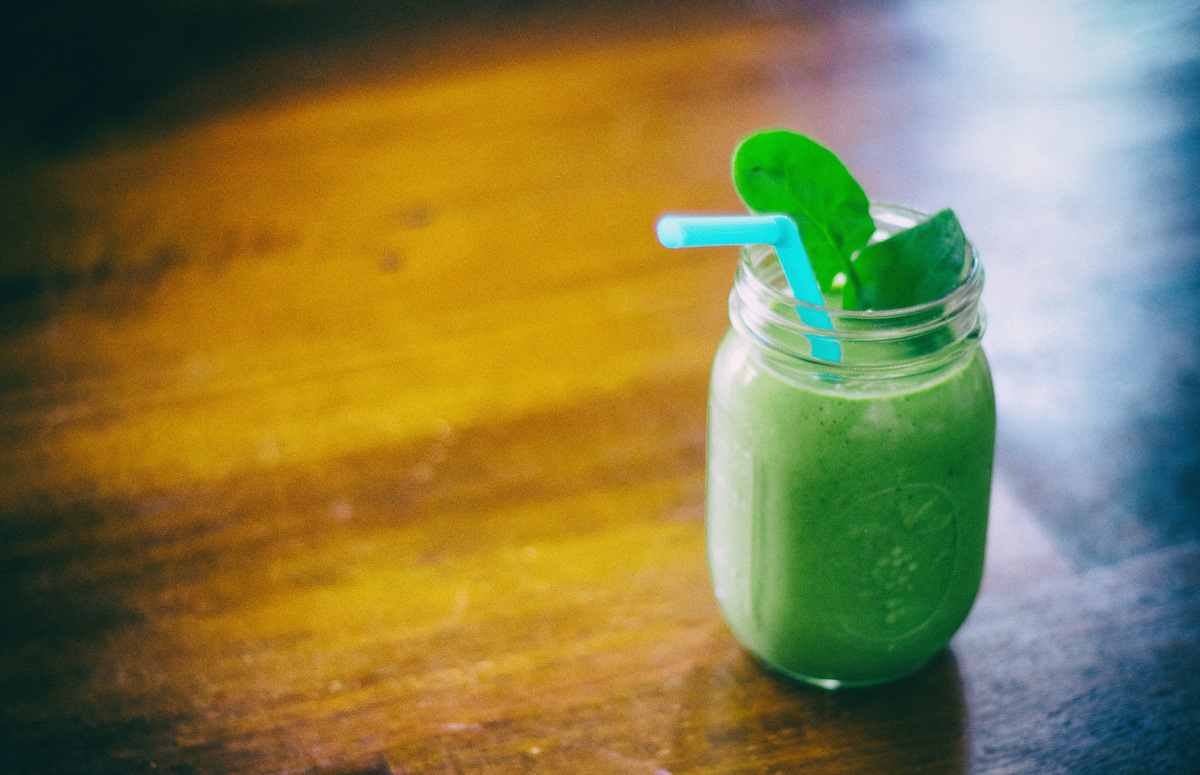

"If I could erase one word from the dietary dictionary it would be 'detox'. The idea that certain foods or nutrients will speed up or enhance your body's detoxification process is just silly. The best way to help your body get the toxins out is to put fewer in."
--Monica Reinagel, MS, LDN, CNS, HuffPost blogger and author of Nutrition Diva's Secrets for A Healthy Diet

2. "Good" Foods And "Bad" Foods
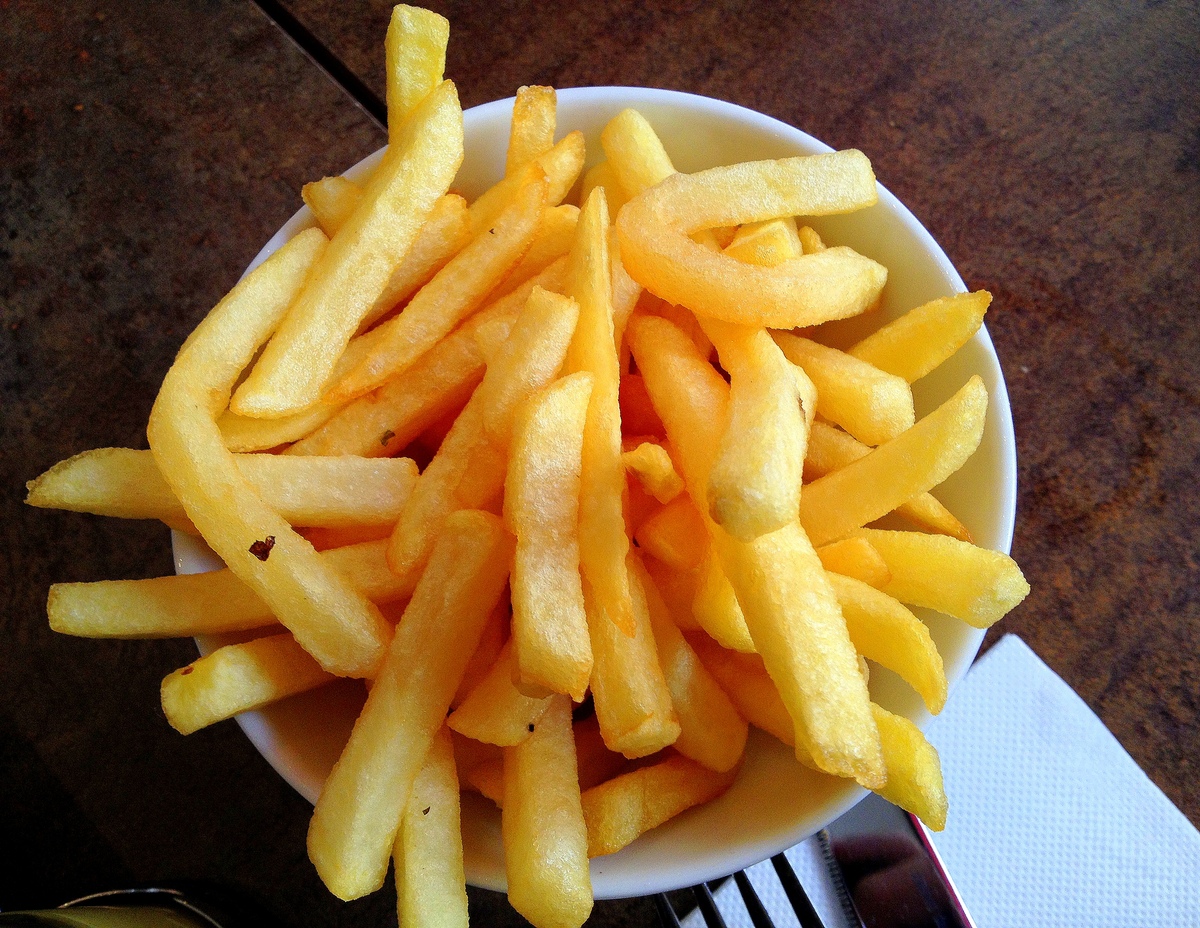

"I don't like saying there are good foods and bad foods -- it's so judgmental! I'm not saying French fries aren't loaded with calories, fat and sodium, or ice cream isn't rich in calories, fat and sugar, but saying they're 'bad' foods invokes guilt on those who enjoy these comfort foods. Eating and enjoying food -- even foods that aren't the most nutritious -- shouldn't ever be done with guilt or shame. Eating should be one of the great pleasures of life! And if you learn to eat with pleasure, you may even feel more satisfied with less food."
--Elisa Zied, MS, RDN, CDN, author of Younger Next Week

3. Clean
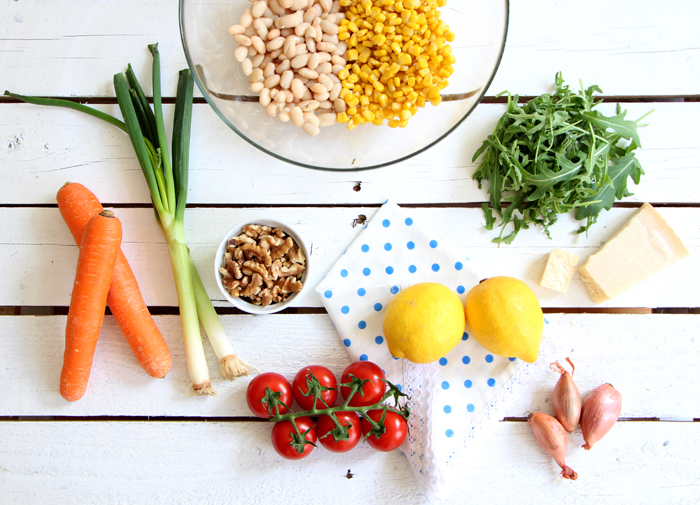

"Everything is all about 'clean' foods, a 'clean' diet, but there is absolutely no definition of what 'clean eating' means. Many athletes refer to 'clean' as eating natural, wholesome, real foods and fewer processed options. I think that makes sense, but I don't know why we need to call it 'clean' instead of healthy eating. I'm starting to see marketers say their processed products are made with "clean" ingredients, so to me this is just a meaningless term. I think, 'You've been had!' when I hear friends use the term."
--Julie Upton, MS, RD, CSSD, Appetite for Health

"I shy away from the term 'clean eating'. I appreciate that people use the term to describe eating plans that include high-quality, unprocessed foods and perhaps organic and locally-grown foods, and I applaud their efforts to eat nutritious foods. But I have a hard time with the clean-eating label because it makes me think that if you're not eating 'clean' then you're eating 'dirty.' Also, clean eating doesn't necessarily equal a balanced diet. As much as I've tried to embrace the clean eating term, I sense some shame in it. For example, people may feel bad that they can't 'eat clean,' because the cost is prohibitive or it's inconvenient. And I sometimes get the idea that die-hard clean eaters look down on people who don't eat the same way, and that they use the term to define themselves rather than their eating. I'd love it if we could ditch the eating labels and try to eat the fewest processed foods possible as part of a balanced diet we can afford and live with in the long-run."
--Elizabeth M. Ward, RD, author of MyPlate for Moms, How to Feed Yourself & Your Family Better
4.Low-Carb
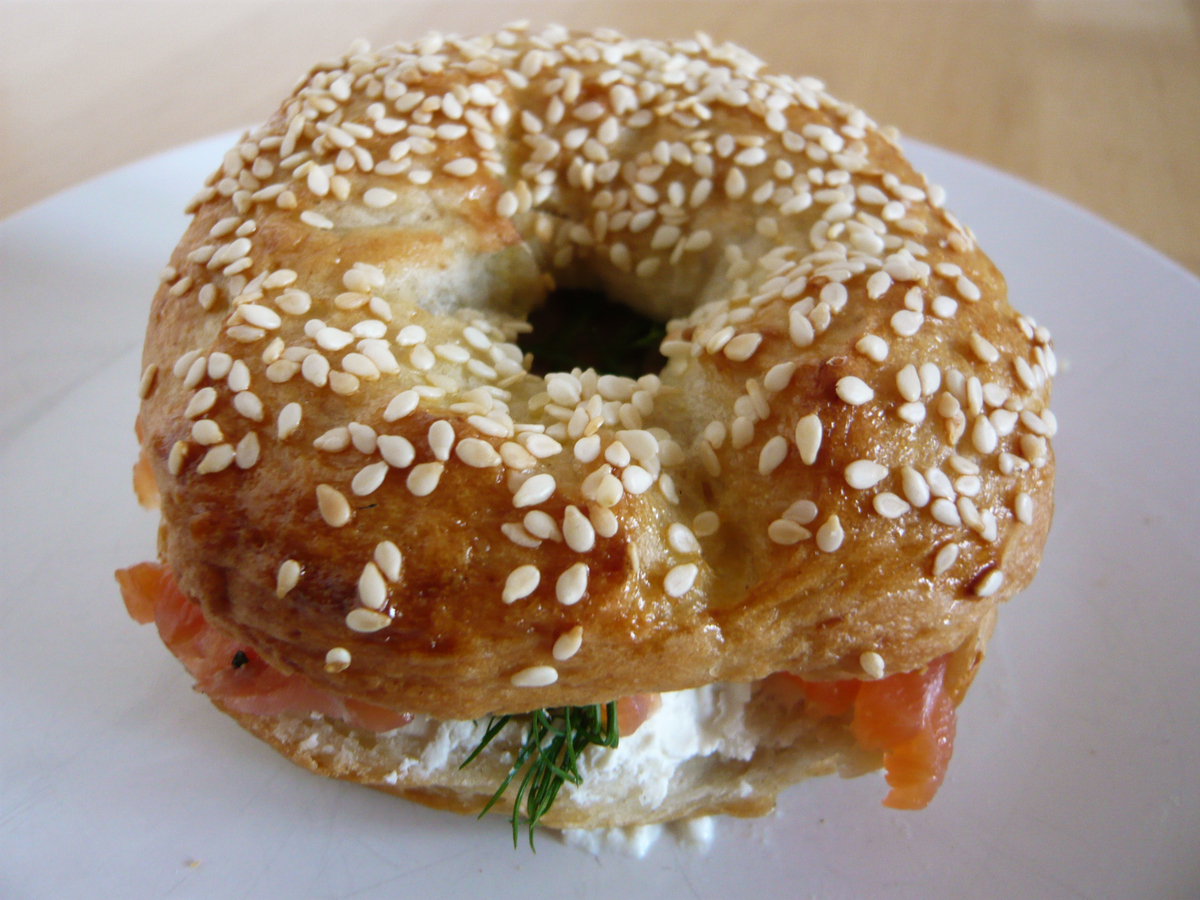
"The one that gets to me the most is when people tell me they eat 'low-carb', or [say] 'I don't eat sugar.' I always ask, 'What does that mean for you?' I constantly find myself explaining that carbs are in multiple food groups. There are grams of carbohydrates (a.k.a. sugar) in bread and bread products and fruits, but also in other foods that you may not think of as having grams of carbs, like unsweetened yogurt and vegetables. Once I explain the basics of food science, the 'low-carb' proclamation that so many claim to adhere to is not accurate." 
--Marjorie Nolan Cohn, MS, RD, CDN, ACSM-HFS, national spokesperson for the Academy of Nutrition & Dietetics and author of Belly Fat Fix

5. Gluten-Free
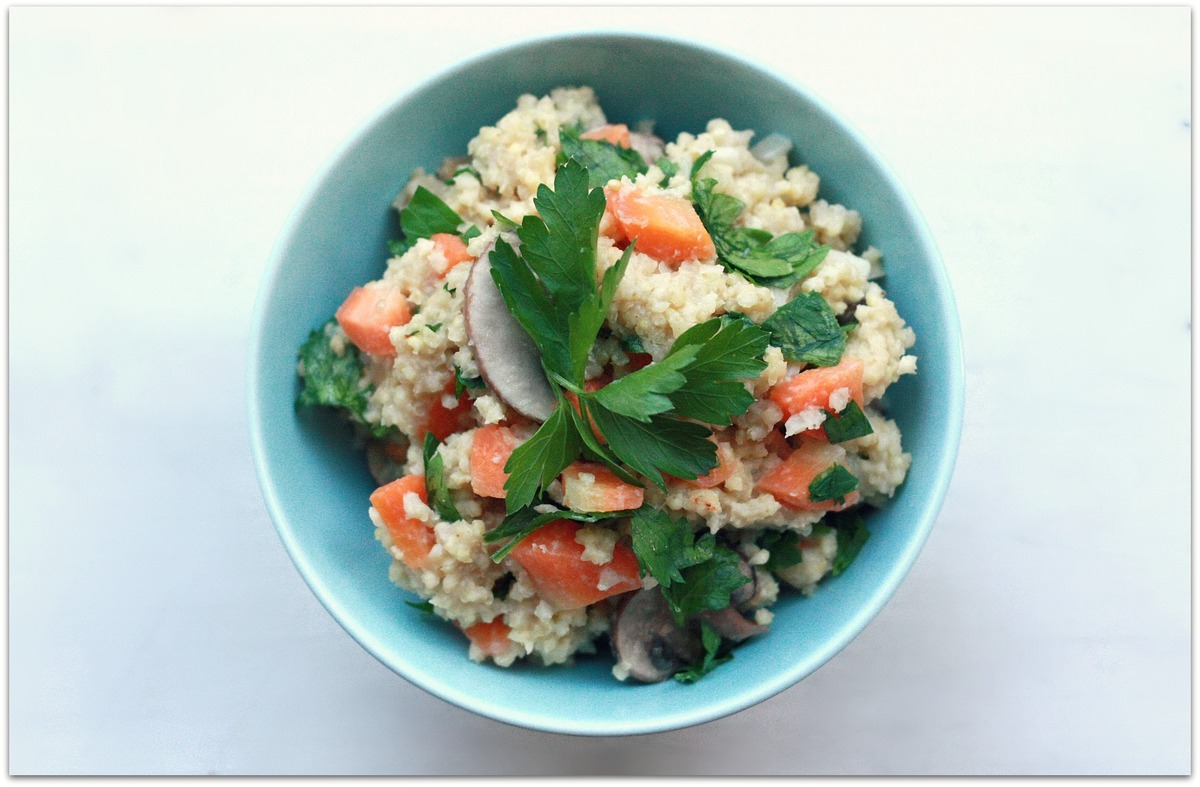

"Many people who tout the wonders of going without gluten don't even know what gluten is -- and there is little evidence that those who do not have celiac disease (only a small percentage of the population) [or non-celiac gluten sensitivity] will benefit from a gluten-free diet." 

--Katherine Brooking MS, RD, Appetite for Health

6.  "Fruit Has Too Much Sugar"

"While fruit does indeed contain natural sugar, it comes along with great nutrition, such as vitamin C and fiber. One of my favorite fruits is grapes. They are [around 100] calories for a cup and are loaded with antioxidants and vitamin K. It's natural to enjoy sweet foods -- so getting a natural sugar fix from fruit rather than candy is smart. Aim for two cups or two pieces of fruit per day."
--Dawn Jackson Blatner, RDN, CSSD, LDN, HuffPost blogger and author of The Flexitarian Diet

7. "Breakfast Is The Most Important Meal Of The Day"
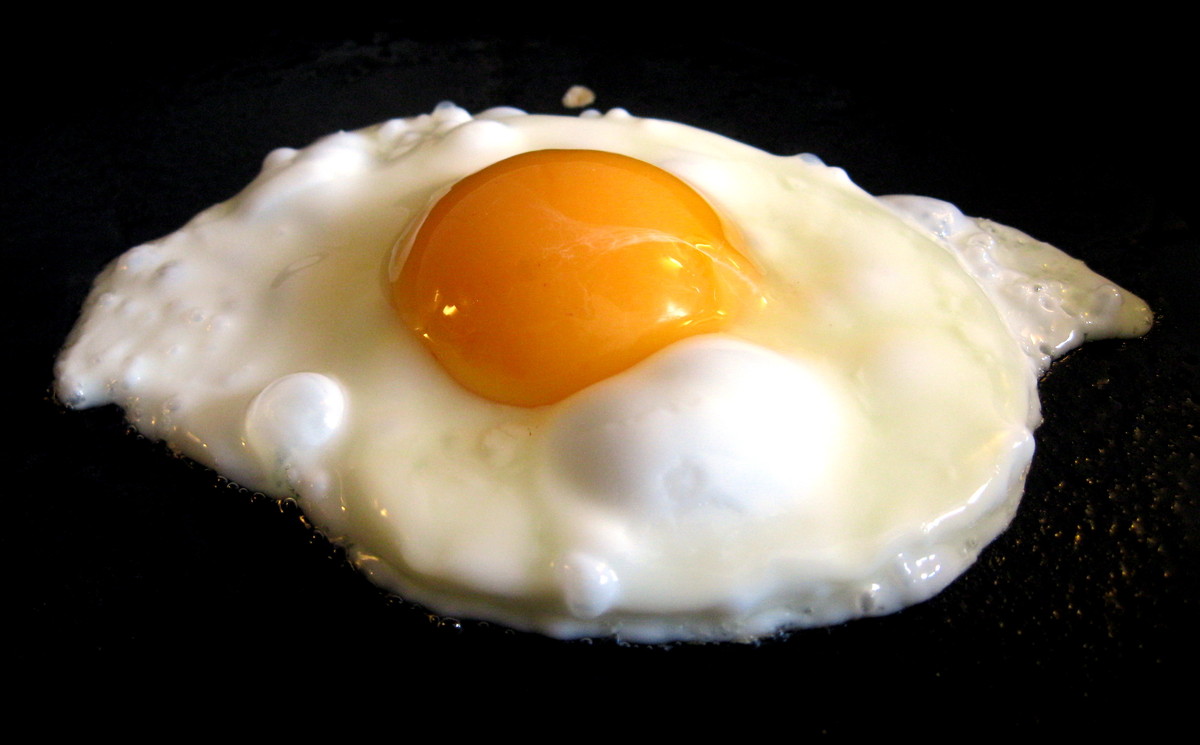

"NOT! All meals are important for different reasons. Each one plays a role in keeping you energized and at the top of your game." 

--Joy Bauer, MS, RDN, health and nutrition expert for the "Today" show and founder of Nourish Snacks

8. "Made With Simple Ingredients"
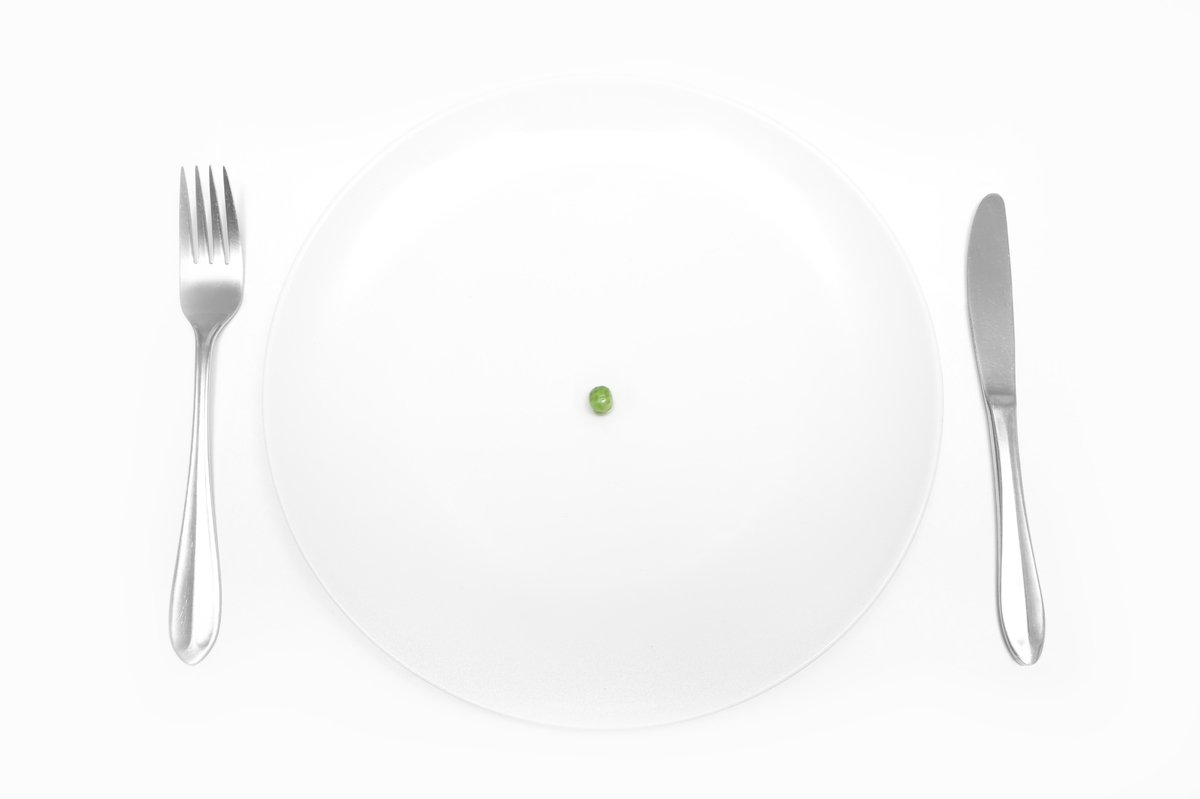
"This is popular with brands that say things like 'made with ingredients you can see and pronounce.' We all know what simple means, but 'simple' is now a marketing buzzword showing up on supermarket shelves. The 'simple' foods have a more wholesome look and may make you believe that you're buying something that's better for you and your family.

I'm all for foods with a single ingredient, like apples, bananas, broccoli, nuts, eggs, lean meats and fish, to name a few. They're all as simple as foods can come and are loaded with nutrition and provide major health benefits. We'd all be healthier and live longer if we ate single-ingredient foods most of the time.

The new 'simple' foods I'm talking about are things like gourmet ice cream, cookies, candy, butter and other foods that may contain just a few ingredients. The problem is, those simple, all-natural ingredients don't provide a nutritional punch. I'm talking about sugar, cream, salt and oil. There is no shortfall of these 'simple' ingredients in the typical American diet, so positioning them as a health bonus is just, well, bogus."
--Upton
http://www.huffingtonpost.com/2014/06/23/nutrition-misunderstood_n_5508695.html
