Friday, 10 July 2015

Leaky Gut Supplements

Leaky gut syndrome is a condition where undigested proteins like gluten, toxins and microbes can pass into the blood stream. Another name for this condition is “intestinal permeability” which means the “tight junctions” or the gateway between the intestinal wall and blood stream have been damaged and are allowing the undigested particles to pass through the intestinal wall. When these particles enter the blood stream it will cause system wide inflammation and can initiate an immune response in the body.
Over time if leaky gut is not healed, it can lead to food sensitivities, arthritis, inflammatory bowel disease, skin issues like eczema, hypothyroidism, adrenal fatigue, depression, anxiety, ADHD, nutrient malabsorption and autoimmune disease. Most doctors will tell you that repairing leaky gut is difficult and it takes time, but for most people who follow my 4-Step Plan, it’s possible to see results fast.
Along with changing your diet, taking the right supplements can make a big difference in fixing leaky gut. These are the 10 key leaky gut supplements that I have recommended to my patients for years that you may consider adding into your daily health routine.

Top 10 Supplements for Leaky Gut

Yogurt And Honey

1. Probiotics

In my opinion, supplementing with a high-quality probiotic is absolutely necessary for gut health today, especially for people with signs of a leaky gut. This is why I will give more attention to this section than the other 9, because without a viable probiotic solution, it’s virtually impossible to heal leaky gut
In my guide on probiotics benefits, I highlight the importance of learning about the different types of strains of probiotic, and why the probiotic benefits experienced with one probiotic strain may be completely different from the health benefits seen from another probiotic.
Case in point: certain strains of probiotics enhance immune function, whereas, others promote health or hormone balance. It’s always best to take specific strains according to the benefit that you need. This will help you maximize the natural healing benefits for your needs. So, instead of taking a “multivitamin” approach and filling your body with all sorts of bacteria that you may not need, be selective and strategic about what strains you decide to take.
When reading probiotics labels keep a look out for the genus, species, and strain. The label should also indicate the type of CFU’s (colony forming units) that are present at the time of manufacturing. When purchasing a probiotic supplement always consider these 5 key aspects.
Brand Quality –
Chose companies that you trust and that you know use higher quality ingredients.
High CFU Count –
Make sure that you only take a probiotic that has at least 15 billion CFUs.
Strain Diversity –
Also, look for a supplement with multiple bacterial strains.
Survivability –
Keep a look out for beneficial strains like:
  • Bifidobacterium bifidum (1)
  • Bifidobacterium longum (2)
  • Bifidobacterium breve (3)
  • Bifidobacterium infantis (4)
  • Lactobacillus casei (5)
  • Lactobacillus acidophilus (6)
  • Lactobacillus bulgaricus (7)
  • Lactobacillus brevis (8)
  • Lactobacillus rhamnosus (9)
  • Bacillus subtilis (10)
  • Bacillus coagulans (11)
  • Saccharomyces boulardii (12)
Research – 
And finally, do your own homework and look for brands that have strains that support your specific needs.
Recommended Daily Intake 
For most people, taking 2-4 caps daily of high quality probiotic capsules daily is the recommended dose.
Flax seeds

2. Fiber 

Almost equally important as probiotics, fiber ranks as #2 on my list. Most people don’t realize this, but without fiber, probiotics cannot live. Essentially indigestible fibers (i.e. prebiotics) are the food the helps probiotic bacteria thrive in our gut. (13)
This is why a diet rich in high fiber foods like sprouted chia seeds, sprouted flaxseeds, and sprouted hemp seeds is so important. If you have severe leaky gut, however, you may need to start out getting your fiber from steamed vegetables and fruit if your gut is extremely sensitive. If you gut isn’t overly sensitive aim for 30-40 grams of fiber daily.

3. Enzymes

For the greatest digestive benefit, take one or two capsules of digestive enzyme supplements before and after your meal. Enzymes help completely break down proteins, complex sugars and starches which can reduce intestinal inflammation.
I would recommend a full spectrum enzyme supplement that contains the following:
  • Protease – breaks down proteins (including gluten)
  • Amylase – breaks down starches
  • Lipase – breaks down fats
  • Lactase – breaks down lactose in dairy
Also, there are specific enzymes that support the body in breaking down certain types of food. If you know you have a gluten or dairy intolerance, you can buy a formula that helps with that specific issue.

4. L-Glutamine 

An essential amino acid, the anti-inflammatory L-glutamine contains some significant health benefits including repairing the gut and intestinal lining. Another benefit of taking L-glutamine regularly is that helps thicken your cell walls, which has been shown clinically to resist Staphylococcus aureus bacterial infections. (14)
I recommend taking 2-5 grams of L-glutamine powder 2-3x daily. Also, the best form of glutamine to take is L-alanyl-L-glutamine. 

Licorice Roots

5. DGL Licorice Root 

One of my favorite adoptogenic herbs is licorice root. Proven to help increase hormone availability, this tasty root can also alleviate adrenal fatigue because it aids in the absorption and metabolism of cortisol. (15)
Licorice can also help support the body’s natural processes for maintaining the mucosal lining of the stomach and duodenum. It is especially beneficial if someone’s leaky gut is being caused by emotional stress.
Licorice contains glycyrrhizin, which has been known to cause edema, and hypertension, so when taking this supplement, it is best to get deglycyrrhizinated licorice, (or DGL) which has had the glycyrrhizin removed. I recommend taking 500mg 2x daily of DGL licorice root.

6. Collagen Powder 

The secret behind the power of bone broth is collagen, the main supportive proteins that gives bone, cartilage and tendons their strength. Once cooked it becomes “gelatin.” Supplementing with collagen or gelatin is important because it can help boost your gastric juices and aid is restoring the integrity and health of your mucosal lining.
Collagen also contains the amino acids proline and glycine which are essential building blocks to repairing damaged intestinal lining. Drink 8-16oz of bone broth daily or take 2 tbsp of collagen protein 2x daily.

7. NAG 

N-acetyl glucosamine has gain recent popularity in mainstream medicine because it is now widely accepted that it can help protect the lining of your stomach and intestines.
Because of its anti-inflammatory effects, NAG has also been reported to help with osteoarthritis and inflammatory bowel disease (IBD), including ulcerative colitis and Crohn’s disease. (16)
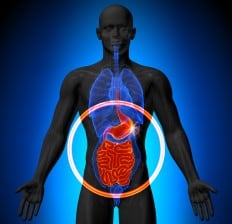
Human Digestive System Virtual illustration

8. Quercetin 

Known to improve gut barrier function because it helps seal the gut lining by creating tight junction proteins,quercetin holds a wide range of health benefits. According to the University of Maryland Medical Center researchers, the key to quercetin’s effectiveness is its ability to keep inflammation at bay.
“Quercetin acts like an antihistamine and an anti-inflammatory, and may help protect against heart disease and cancer. Quercetin can also help stabilize the cells that release histamine in the body and thereby have an anti-inflammatory effect.” (17)

9. HCL with Pepsin 

Hydrochloric acid is the main acid in the stomach that breaks down protein so that it can be predigested before it enters the duodenum and the intestines. Most people suffering with leaky gut have suffered from a low stomach acid due to medications, birth control or antibiotics.
Another condition connected to leaky gut syndrome is a condition called SIBO (small intestinal bacterial overgrowth). SIBO can occur when the stomach doesn’t produce enough HCL and bad bacteria can take residence in the small intestine.
Supplementing with HCl that includes pepsin, is a heartburn, and GERD remedy that is also regularly used to treat hypochlorhydria, when the stomach is unable to produce hydrochloric acid. Often bringing the stomach acid up to the correct level will help heal leaky gut and SIBO.
Your natural health care provider should determine the amount of HCL you need. If you do decide to take HCL with pepsin on your own, then make sure you only take it with meals that contain protein and start off with 1 capsules then add 1 extra cap per meal until you feel warmth or pressure in your stomach. Once you feel that warming sensation decrease the capsules of HCL you are taking per meal by 1 capsule. And again, only take HCL with meals that contain protein.
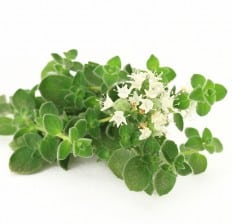
oregano plant leaves

10. Anti-Fungals

Anti-fungal agents like caprylic acid, cellulose, and oil of oregano can be taking for short term treatment of leaky gut syndrome. One of the main causes of leaky gut syndrome can be imbalance flora in your gut including an overgrowth of yeast and candida.
These anti-fungals help balance the good and bad bacteria in the gut, which takes the strain off your intestines and helps them heal.
Typically, you would first build up the health of your digestive tract, then take anti-fungals for 10-14 days. Immediately following that period, it is recommended to take an increased dose of probiotic supplements along with consuming loads of probiotic rich foods.  This will ensure that you rebuild the gut health and help maintain long term health.

Thursday, 9 July 2015

Detox Rainbow Salad

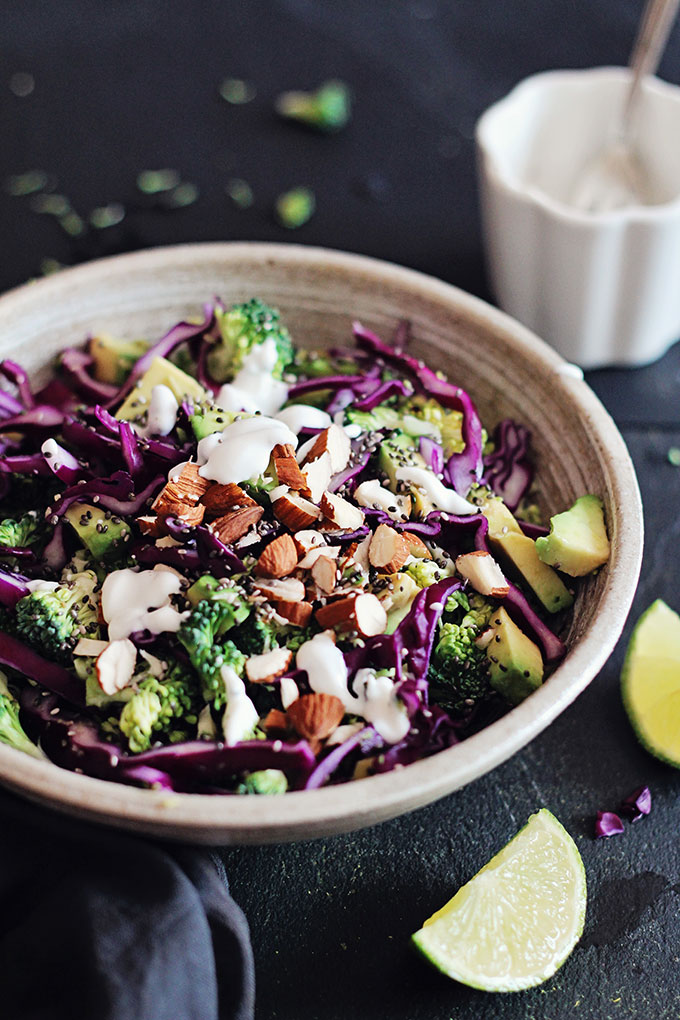
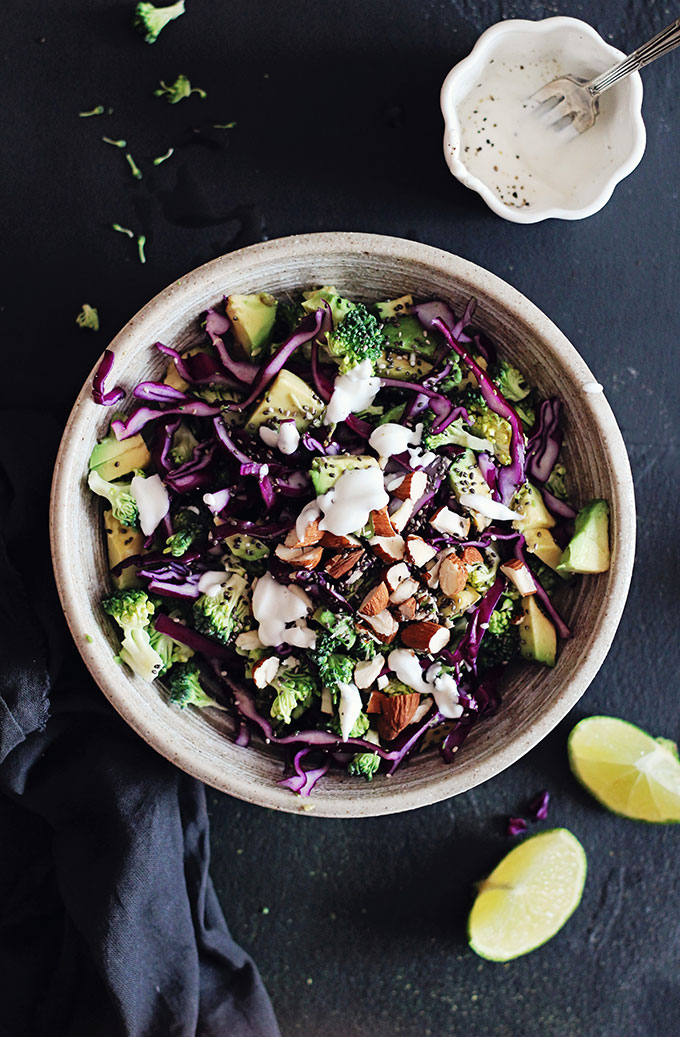
Detox Rainbow Salad (The Best Salad You Will Ever Have)- The ultimate cleansing salad, filled with detoxifying broccoli, red cabbage, red onion and avocado, as well as a tart sauce made from EVOO and lemon juice. If I could eat only ONE salad for the rest of my life, this would be it.

I don’t know about you, but ever since spring bloomed in force my body switched naturally on detox mode and salads are the mains on my table. When seasons change, our body cells vibrate on the same frequency and all the pulsing energy from outside is translated with this need to restore and revive. Nature has all the means to help us doing this, and it’s not a surprise that fresh greens are plentiful at the farmers’ market stalls. We have to take advantage of everything fresh and load our cells with energy and nutrients to sustain the natural detox function of our bodies.
detox foods

To make this salad I used two of the most popular cruciferous relatives – broccoli and cabbage. I always recommend eating these raw or lightly cooked (steaming is the best cooking method to preserve most of their fantastic nutrients), so having them together in a salad sounds like the best treat for my body.

cleansing salad

Broccoli has some very interesting effects on our health, and the most special one is the fact that it contains the perfect proportion between vitamin K and vitamin A, necessary to keep the necessary of vitamin D in balance. After a long winter, when we were deprived of the sunlight we need for metabolizing the vitamin D, I can’t think of something more miraculous than this special property of broccoli. It is also loaded with some phytonutrients called glucosinolates, which support all the steps of our body natural detox.
Red cabbage contain a high concentration of antioxidants, with protective and therapeutic effects on our body health.
My salad contains both of these amazing cruciferous relatives, and also avocado, which adds a creamy texture along with minerals and healthy fats, necessary for a better absorption of the nutrients.

DETOX RAINBOW SALAD
INGREDIENTS
  • 1 small broccoli head, cut in small florets
  • ¼ small red cabbage head, finely diced
  • 1 small red onion, finely diced
  • 1 avocado, peeled and cut in cubes
  • To garnish: toasted almonds and chia seeds

  • For the sauce
  • 2 tbsp low fat yogurt
  • 1 tsp extra virgin olive oil
  • ½ lemon, juice only
  • ½ tsp sea salt
  • Freshly ground black pepper
INSTRUCTIONS
  1. Place all the salad ingredients in a large bowl and toss to combine.
  2. Place the sauce ingredients in a blender and pulse to obtain a smooth liquid.
  3. Pour the sauce over the salad and mix to combine.
  4. Distribute evenly onto serving plates, top with toasted almonds and chia seeds and serve.


Crunchy Apple & Grape Salad


Description

Apples & grapes teamed up with crunchy almonds and walnuts, mixed with a cinnamon yogurt sauce. This is one great salad!

Ingredients

  • FOR THE DRESSING:
  • 1 cup Coconut Vanilla Yogurt
  • ⅓ cups Agave Syrup
  • ½ cups Egg Free Mayonnaise
  • Juice From 1/2 A Lemon
  • ½ teaspoons Ground Cinnamon
  • FRUITS:
  • 4 Apples (your Choice), Cored And Diced
  • 1 Pear, Cored And Diced
  • 1 Stalk Of Celery, Diced
  • ½ cups Silvered Almonds
  • ½ cups Walnuts, Chopped
  • 2 cups Seedless Grapes, Halved
  • http://tastykitchen.com/recipes/salads/crunchy-apple-grape-salad/

Moringa leaf powder for...relaxation

Moringa leaf powder for...relaxation 

Chilling out is one of the most vital aspects of life – everyone needs
downtime, and if you have trouble switching off, Moringa leaf powder could
help you get into a natural state of relaxation.

That's thanks to a unique compound known as Nebedaye, which does loads of
great things for your body to aid rest – it could lower your blood sugar,
soothes your digestive system and acts as a muscle relaxant so that you
feel calm.

There are scientific studies that show that you can sleep for longer after
taking Moringa leaf powder and wake up feeling refreshed and ready to take
on the world. Even if you don't want to sleep, the supplement can help to
ease muscle pains and spasms – a real bonus if you've got some aches after
doing exercise.

If you find it hard to switch off your mind and body when you should be
resting, Moringa leaf powder could be the solution you were looking for.
Discover more about how you can get your hands on it by visiting ankhrah.com


Wednesday, 8 July 2015

Moringa Superfood on ABC TV


Moringa oleifera, the Miracle Tree was featured on the popular talk show ABC "The View" as a "Slim Down Super Food" due to its incredible energy boosting, nutrient dense, antioxidant properties.


Moringa Oleifera

Your Pee May Hold a Clue to Your Destiny

URINE

Leslie Spry, M.D., FACP

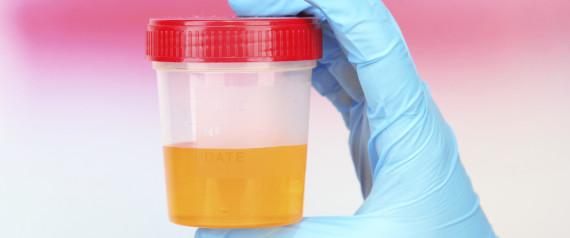
What's in your pee may mean the difference between life and death. A large study recently came out showing that kidney function tests can forecast who is likely to die of cardiovascular and heart diseases (including stroke). And the study concluded that these kidney tests are better predictors than the standard risk factors such as smoking, cholesterol and blood pressure. This means that if your physician measures your kidney function using estimated glomerular filtration rate (eGFR) and tests your urine for the albumin protein (also known as microalbuminuria), he or she will be better able to determine your risk for cardiovascular and heart disease, including your risk of dying from these diseases.
There's a silver--or should I say yellow--lining though. There's a lot that can be done if your urine test shows that you're at risk for heart and kidney disease. Treatments for both include statin drugs to lower cholesterol, using drugs known as angiotensin converting enzyme inhibitors (ACE-I) or angiotensin receptor blockers (ARB agents) to lower blood pressure, and maintaining blood pressure levels below 130/80. Healthy lifestyles have also been shown to slow progression of kidney disease and improve outcomes of heart and cardiovascular disease. So avoid smoking, be physically active for at least 150 minutes per week, eat a healthy low salt diet such as the DASH diet, and maintain a healthy body weight.
Just like when you really have to go to the bathroom, don't hold it in! Pee is a lifesaver, so at your next physical, ask your physician to check your kidney health with a simple urine test. It holds the key to catching kidney disease, heart disease and so much more!
Learn more by visiting the National Kidney Foundation (NKF) at www.kidney.org and watch the NKF's new EverybodyPees campaign video to promote kidney health and motivate people to get their urine screened.

5 Scary Signs You have Leaky Gut

Image result for leaky gutAccording to Hippocrates, “All disease begins in the gut.” Healing our gut is one of the first and most important steps to regaining health and vitality. Probiotic rich foods help replenish the good bacteria we need to line our digestive tract.


by Drew Canole

When it comes to our health, there is so much to know! There is a very important component, which is often overlooked that I want to talk to you about today.

When it comes to creating balance and optimal well-being, we can’t have either if our gut is compromised or “leaky.” That is why I place such a big emphasis on ensuring this important system is functioning as best it can so that YOU can begin to feel your best and radiate true health from the inside out.

At Fitlife, we are committed to doing our part to provide you with tools to assist you on your journey, which makes the news I have to share with you in the coming weeks really exciting! What we will be providing is what we’ve found to be the #1 solution to creating balance and true health, making your transformation journey that much sweeter and your health, that much better!

So stay tuned and know that I’ve got your back. What we have in store has the potential to literally change your entire gut microbiome, thus creating a healthier environment for your entire existence.

In the meantime, enjoy this juicy content and be on the lookout for the big news, coming soon!


We live in a toxic environment. Heavy metals, pesticides, chemicals and EMFs bombard our lives on a daily basis. We are all doing our best to protect our families from these dangers, but in reality, there are some things we simply can’t control.

What we can control is how we treat our bodies – and the fuel we put into them. In the end, this has more power over our health than almost any toxin or influence in our environment.

Start With Your Gut!

Fact: Roughly 70% of our immune cells are housed in the digestive system. This means that a strong digestive system = strong immune system.

Fact: There are more bacteria in your digestive system than there are cells in your body.

Fact: The bacteria in your gut weighs around 4 lbs.

Fact: Roughly 85% of your serotonin (the “feel good” or “happy” hormone) is stored in your gut. Happy gut = happy YOU!

Almost all cultures include fermented foods in their diet. Fermented foods provide probiotics (beneficial bacteria), vitamins and enzymes that help keep your digestive system healthy and free of illness and disease. Overuse of antibiotics, antibacterials and a lack of raw food in the diet literally strips your digestive system of these vital microorganisms and nutrients. Eating fermented food helps to replenish the good bacteria.

Fact: Having a healthy balance of good and bad bacteria is crucial – it’s all about creating balance.

Our body is built to heal itself, we just need to know how to listen and honor it’s signals!

- See more at: http://fitlife.tv/scary-signs-you-have-leaky-gut-and-11-cheap-secrets-to-treat-it-saturday-strategy/#sthash.9N5lghLu.dpuf

Tuesday, 7 July 2015

10 Symptoms of Gluten Intolerance


Image result for gluten

More than 55 diseases have been linked to gluten, the protein found in wheat, rye, and barley. It’s estimated that 99% of the people who have either gluten intolerance or celiac disease are never diagnosed.

It is also estimated that as much as 15% of the US population is gluten intolerant. Could you be one of them?

If you have any of the following symptoms it could be a sign that you have gluten intolerance:
Digestive issues such as gas, bloating, diarrhea and even constipation. I see the constipation particularly in children after eating gluten.


Keratosis Pilaris, (also known as ‘chicken skin’ on the back of your arms). This tends be as a result of a fatty acid deficiency and vitamin A deficiency secondary to fat-malabsorption caused by gluten damaging the gut.


Fatigue, brain fog or feeling tired after eating a meal that contains gluten.


Diagnosis of an autoimmune disease such as Hashimoto’s thyroiditis, Rheumatoid arthritis, Ulcerative colitis, Lupus, Psoriasis, Scleroderma or Multiple sclerosis.


Neurologic symptoms such as dizziness or feeling of being off balance.


Hormone imbalances such as PMS, PCOS or unexplained infertility.


Migraine headaches.


Diagnosis of chronic fatigue or fibromyalgia. These diagnoses simply indicate your conventional doctor cannot pin point the cause of your fatigue or pain.


Inflammation, swelling or pain in your joints such as fingers, knees or hips.


Mood issues such as anxiety, depression, mood swings and ADD.


Wheat: The UNhealthy Whole Grain
A video by Dr. William Davis, author of the book Wheat Belly


How to test for gluten intolerance?
I have found the single best ways to determine if you have an issue with gluten is to do an elimination diet and take it out of your diet for at least 2 to 3 weeks and then reintroduce it. Please note that gluten is a very large protein and it can take months and even years to clear from your system so the longer you can eliminate it from your diet before reintroducing it, the better.

The best advice that I share with my patients is that if they feel significantly better off of gluten or feel worse when they reintroduce it, then gluten is likely a problem for them.  In order to get accurate results from this testing method you must elimination 100% of the gluten from your diet.

How to treat gluten intolerance?
Eliminating gluten 100% from your diet means 100%. Even trace amounts of gluten from cross contamination or medications or supplements can be enough to cause an immune reaction in your body.

The 80/20 rule or “we don’t eat it in our house, just when we eat out” is a complete misconception. An article published in 2001 states that for those with celiac disease or gluten sensitivity eating gluten just once a month increased the relative risk of death by 600%.

Still unsure?

Dr Myers Gluten Course
Seek out an integrative practitioner or functional medicine physician to help to guide you.

5 Things That Happen When You Quit Eating Sugar


First, let’s set the record straight by saying that sugar in and of itself isn’t evil, per se. It occurs naturally in plenty of foods, including fruits and milk. With that being said, adding excess sugar to your dietary intake simply isn’t necessary. In fact, you’ll notice numerous positive things happen when you decide to quit sugar for life.

Although people living in the Western world have been trained to desire sugary treats, as well as foods that include copious amounts of sugar for flavoring, we certainly don’t need it. If you stop eating anything but naturally occurring sugars, you’ll notice that 5 very distinctive things will happen.

1. Your Energy Will Improve
Ironically, many of us have a tendency to reach for sugar-filled items, including so-calledenergy drinks and caffeinated beverages, when we’re tired. Yet without all the sugar, we’re guaranteed to have a higher energy level naturally. In other words, all that sugar is blocking our body’s ability to keep our energy stores at maximal levels. Plus, there will be no up-and-down with your blood sugar, so afternoon crashes will become an experience of the past.

2. Your Weight Will Stabilize


Sugar makes you crave more sugar, and we’re not just talking about sugar in its raw form.

Let’s face it: most sugar comes in high-fat and/or high-carb foods that have been processed or at least contain tons of unwanted ingredients. There is, of course, the exception of fruit, which are nearly all sugar.

By going on a sugar detox, your body will not be subjected to the need to deal with all those additional calories.

You won’t feel hungry, and you’ll end up losing weight – or at least not seeing the scale fluctuate as dramatically.

3. Your Intestines and Colon Will Perform More Efficiently
If your insides could tell you what they wanted on a daily basis, they would say lots of fiber and a minimum amount of tough-to-digest, impure foods. When you remove sugar, you’re enabling your tummy and bowels to reset their abilities to process what you’ve eaten. You may even find that you go to the bathroom more often … this is a good thing. It means everything is getting back to a normal routine.

4. You’ll Stop Wanting Sugar
It’s a fact: sugar begets sugar. After you rid it from your food regimen, you’ll slowly begin to lose the desire to eat anything with sugar in it. Fruits will taste plenty sweet, and if you do take a bite of a cake or pie, you’ll be shocked at how overpowering and overly sweet it seems.

5. Your Skin Will Look Healthier
Have you noticed that you can’t seem to crack the case on why your acne appears and disappears despite all the creams, potions, and ointments you’re using? It may be that sugar is hurting your skin from the inside out. Many people report that their skin feels and looks healthier after they stop giving in to sugar’s pull.

Ready to Start Your Sugar Detox and Quit Sugar for Life?
While a cold turkey approach to your sugar detox isn’t always recommended, especially if you’ve been a sugar-holic for most of your lifetime, it’s definitely a good idea to start cutting back now. The faster you begin, the faster you’ll start to reap the advantages of going sugar-free.

In fact, in light of the countless dangers of consuming too much sugar, the World Health Organization has changed its sugar recommendation—advising no more than 5% of your daily calories should come from the sweet stuff, down from the previously recommended 10 percent. Considering that more than 50 percent of all Americans consume one-half pound of sugar PER DAY—translating to a whopping 180 pounds of sugar per year, we have some work to do.

Start small by evaluating everything you’re eating and drinking. If you are addicted to sugar-laced coffee drinks sold at popular coffeehouses, scale back on how many times you drink them. Then, scale back some more. Soon, omit certain sugar-laden products. Over time, you will physiologically adjust to your new habits.

Remember that it takes about three weeks before a new way of doing something becomes a comfortable routine. If you have slight missteps, such as eating a candy bar after a stressful workday, just keep forging ahead. The results of your diligence will definitely be worth it.

- See more at: http://cdn.eatlocalgrown.com/5-quit-sugar.html#sthash.bsmI8AiL.dpuf

Leaky Gut: Is it Becoming an Epidemic?


leaky_gut_progression
Something else that has changed in our diet over the last 20 years is the introduction of GMOs (genetically modified organisms). Currently, 80% of the foods in our mainstream grocery stores are genetically modified. Last year (2014), 89% of U.S. corn, 93% of U.S. soy, and 95% of U.S. sugar beets [iii] were genetically modified for tolerance to glyphosate, the active ingredient in Roundup.  Repeat  spraying of glyphosate tolerant (Roundup Ready) crops builds residues that can carry over into food products.  Some conventional crops are also sprayed with Roundup in low concentrations to control the timing of the harvest. Roundup is used as a desiccant (drying agent) on oats, Non GMO flax, barley, wheat, edible peas, potatoes, cantaloupe, and sugar cane. Glyphosate (RoundUp) is the most widely used herbicide in the world. It is a patented antibiotic[iv] and a mineral chelator. When Glyphosate gets into our gut, it can bind the beneficial minerals that are needed to maintain that healthy gut flora and makes these minerals unavailable. This creates dysbiosis. Through dysbiosis, the bad bacteria creates holes in the lining of the walls of the small intestine and creates a leaky gut.


constipationThere are a few different ways you can develop leaky gut. For example, if you are chronically constipated, over time the toxins in your stool will irritate the lining of your intestines. This irritation leads to inflammation which will cause the pores in the small intestine to expand. If the irritation and inflammation are allowed to continue for an extended period of time it can lead to irritable bowel syndrome, Crohn’s disease, or colitis, as well as other auto-immune diseases. So why are so many people constipated? Could it be a lack of proper nutrition, clean water and stress?


Leaky gut is a condition that causes many health problems, yet it’s rarely talked about in the media or in doctors’ offices. As a matter of fact, many people have this condition but have no clue! Here’s a look at what leaky gut is, how it occurs and what you can do to create a healthy gut without the use of pharmaceuticals. Many of the doctors and health practitioners that are talking about and diagnosing leaky gut are saying that almost 80% of the U.S. population has some degree of leaky gut.
antibody_antigen_complexThe leaky gut issue starts in a very important organ, your small intestine. The small intestine is so important because most of the vitamins and minerals in the foods you eat are absorbed there. In order for the vitamins and minerals to be absorbed, the small intestine contains microscopic pores so the nutrients can be transferred into the bloodstream. Once transferred, the nutrients are then shuttled and deposited all around the body by the blood.
The wall of the intestine is considered semi-permeable. This means it only allows certain things to enter the bloodstream and block other things from entering the bloodstream. For instance, specific molecules and nutrients are allowed to pass through but toxins and large undigested food particles are blocked. When you have leaky gut, the pores in your small intestine widen and this allows undigested food particles and toxins, that would normally be blocked, to enter your bloodstream. These particles and toxins aren’t recognized and the immune system goes into attack mode because they are not supposed to be in the blood. In essence, the immune system literally recognizes these undigested particles as dangerous. This can lead to allergies and much worse conditions. These particles that shouldn’t be there cause an immune response and build up antibodies to protect–it is just basically doing its job. The problem is the immune system doesn’t just build up antibodies to the food particles; it attacks your healthy cells, too. This is one of the ways food allergies and autoimmune disorders develop.
Keeping in mind that 70% of our immune system is in our gut, doesn’t it seem important to have a healthy one?
Let’s back up a bit and discuss some of the reasons why we are having a leaky gut epidemic? Why now? What has changed?
What has changed in the American diet over the last 25 years? We are a country that consumes much processed and fast food. The typical American diet consists of high amounts of sugar (an average of 22 teaspoons per day[i]) and many nutrient deficient foods or foods that are just void of any nutrients. We have become a society of convenience and a society of wanting it right now–and our health is paying a big price for this!  Our food is processed and filled with harmful chemicals and preservatives. Is it any wonder why Diabetes is so rampant in this country? In 2012, 29.1 Million people had Diabetes which is 9.3 percent of the population[ii]. That figure has increased since then and continues to grow daily!
The other common cause of leaky gut is an imbalance of the flora inside our gut. We all have good and bad bacteria in our digestive system. When our gut flora is in balance the bad bacteria poses no threat. But when the bad bacteria outweighs the good, irritation and inflammation occur, again, causing the pores of the intestine to open up.  This creates something called dysbiosis which means that the billions of bacteria in our gut, which consists of good and bad bacteria, is out of balance. When we  have too much of the bad bacteria, it literally creates holes in the lining of the walls of the small intestine and creates a leaky gut. What causes dysbiosis? Could it be stress and poor nutrition?
Bacillus thuringiensis (Bt) is a gram-positive soil-dwelling bacterium that has been used as an insecticide since the 1920s. When farmers spray their crops with this bacterium or its insecticidal proteins or spores, insects eat it and they die when their intestines explode. Now with the advent of genetically modified crops, it is difficult to avoid this dangerous toxin. This is because biotech giant Monsanto decided to profit from this pesticide by splicing the Bt gene with corn and cotton. Now these plants have Bt toxin genetically inserted in them. It cannot be washed off, and it does not degrade during the growth cycle. This means that when you ingest BT corn, you are consuming an insecticide which is engineered into every cell of this corn. Bt corn is registered with EPA as an insecticide.
In 2011, doctors at Sherbrooke University Hospital in Quebec found Bt-toxin in the blood of 93 percent of pregnant tested, 80 percent of umbilical blood in their babies, and 67 percent of non-pregnant women. bt cornThe study authors speculate that the Bt-toxin was likely consumed in the normal diet of the Canadian middle class—which makes sense when you consider that genetically engineered corn is present in the vast majority of all processed foods and drinks in the form of high fructose corn syrup. They also suggest that the toxin may have come from eating meat from animals fed Bt corn, which most livestock raised in confined animal feeding operations (CAFO, or so-called “factory farms”) are. These shocking results raise the frightening possibility that eating Bt corn might actually turn your intestinal flora into a sort of “living pesticide factory”… essentially manufacturing Bt-toxin from within your digestive system on a continuing basis. If this hypothesis is correct, is it then also possible that the Bt-toxin might damage the integrity of your digestive tract in the same way it damages insects? Could this be another contributing factor to leaky gut?
Stress can be a factor in creating leaky gut. Severe emotional stress or trauma, drug use, especially antibiotic and anti-inflammatory drugs (NSAIDs) can be a contributing factor. Sometimes they are necessary, for a period of time, but overuse or extended use of antacids (for reflux or heartburn), anti-inflammatory drugs (for pain) and/or antibiotics (for infections) is known to cause leaky gut. Antacids cause leaky gut by suppressing digestion of your food, making it more likely that your immune system will be triggered by the food you eat. Once the immune system starts to react, leaky gut is aggravated each time you eat, even if it is food that you would think is good for you.
Gluten causes leaky gut by increasing levels of a protein called zonulin, which opens up the spaces between the intestinal cells, even if you don’t have gluten sensitivity.
What are some of the symptoms of leaky gut? Brain fog, anxiety, depression, emotional ups and downs, food allergies, hives, rashes, sinus issues, joint pain, food cravings for artificial fats and sugars (alcohol), autoimmune disease, weight gain, bloating, diarrhea, digestion issues, irritability, cramping, fatigue, headaches or thyroid conditions are some of the issues associated with leaky gut.
What can you do for leaky gut? It is recommended by many health practitioners that those with leaky gut eliminate all dairy, grains, sugar, legumes, GMOs, and seeds from your diet for a period of between 2 weeks to 12 weeks or longer, depending upon the severity. There are leaky gut formulas available online or in your health food stores. It’s best to abstain from alcohol which contains sugar. Also, adding a good probiotic to your daily routine can be beneficial. Fermented foods like sauerkraut and kimchi are wonderful probiotic foods that contain live cultures and they can assist in creating a healthy gut. Bone broth is also very healing for the gut. You can find recipes for bone broth online.
Another issue is that our gut or microbiome, as it is now called, is very much connected to our brain. When we have an unhealthy gut, we cannot get adequate amounts of tryptophan.  Tryptophan is an amino acid that is used by the brain and is converted into serotonin.  Serotonin is important because it controls feelings of hunger, depression, anxiety, thirst and sleep. Tryptophan has also been found to be an important nutrient when it comes to immune system functioning.  Serotonin is one of the four main neurotransmitters that are responsible for our mood. If our serotonin levels fall off we may experience anxiety and depression. Doesn’t this make sense that a leaky gut can cause brain fog, mood swings, depression, apathy and many more brain issues? Could it be the key to having a healthy brain is having a healthy gut?
In summary, leaky gut is the root of many health issues. Now that you are familiar with some of the health issues associated with leaky gut, including common syndromes like chronic fatigue, fibromyalgia, IBS, and multiple food and chemical sensitivities, as well as asthma, anxiety, autoimmunity, diabetes, and arthritis, you can take steps to create a healthier gut which is so important to your well being and your immune system. Discuss your symptoms with your doctor if you have a doctor who is knowledgeable about leaky gut. Most functional medicine doctors fully understand leaky gut syndrome and can assist you if you have a severe case of leaky gut. I always encourage people to be their own health advocate because only you can heal you!  Be well!
http://foodintegritynow.org/2015/05/27/leaky-gut-is-it-becoming-an-epidemic/

Monday, 6 July 2015

Bone Building Juice Recipe

Bone Building Juice
This juice provides vitamins and nutrients that are essential to building strong and healthy bones! Try this delicious combination today!

Bone Building Juice Recipe

Total Time: 5 minutes

Serves: 1-2

INGREDIENTS:

  • 1/2 Avocado
  • 2 cups Spinach
  • 1 cup Cabbage
  • 1 Cucumber

DIRECTIONS:

  1. Add Spinach, cabbage and cucumber to vegetable juicer. Add avocado and juice in blender and mix together on lowest setting.
  2. Consume immediately
http://draxe.com/recipe/bone-building-juice/

Saturday, 4 July 2015

Dutch Harvest Electricity From Living Plants To Power Streetlights, Wi-Fi & Cell Phones

by PLANT

Plant-e, a company based out of the Netherlands, has found a way to harness electricity from living plants, using them to power Wi-Fi hotspots, cell phone chargers, and even streetlights. The company debuted their project, called “Starry Sky,” in November of 2014 near Amsterdam, where they lit up more than 300 LED streetlights at two different sites. Their plant power technology is also being used to power the company’s headquarters in Wageningen.
The company was founded in 2009, and was a spin-off from the department of Environmental Technology of Wageningen University. Again, they develop products in which living plants generate electricity. Their technology allows them to produce electricity from practically every site where plants can grow.
“Via photosynthesis a plant produces organic matter. Part of this organic matter is used for plant-growth, but a large part can’t be used by the plant and is excreted into the soil via the roots. Around the roots naturally occurring micro-organisms break down the organic compounds to gain energy from. In this process, electrons are released as a waste product. By providing an electrode for the micro-organisms to donate their electrons to, the electrons can be harvested as electricity. Research has shown that plant-growth isn’t compromised by harvesting electricity, so plants keep on growing while electricity is concurrently produced.” (source)
Just imagine, a house with a roof full of plant/tree life powering your home. On the company’s website, they feature animated pictures of mini-forests growing on building rooftops supplying power to the entire building. It’s pretty cool to imagine, isn’t it?
It’s important to mention that at the moment, the main problem is the quantity of energy that can be generated. There is still a long way to go with regards to making enough energy to have a completely reliable commercial product, but things are looking promising, as the company is already selling products that enable you to harvest energy from plants. Again, they are also using the technology to power their headquarters…
For more information on the technology or to read some of their recent publications, see: www.plantpower.eu – or visit their website listed in the sources.
More and more energy innovations seem to be emerging every single day, like this one. Perhaps this is why the powerful and wealthy Rockefeller family recently sold out of fossil fuels and switched their investments towards clean energy? Change is coming, and it’s about time. The world’s largest private bank, UBS, is also urging investors to join the clean, renewable energy movement.They did so with a statement expressing that power plants in Europe might be completely extinct within the next 10 to 20 year (you can read more about that story here). It’s something that needs to happen, and it needs to happen now. We’ve seen the solutions, now it’s time to implement them. It’s become clear that there are many alternative ways to generate energy without destroying the planet
http://www.collective-evolution.com/2015/06/08/dutch-harvest-electricity-from-living-plants-to-power-streetlights-wi-fi-cell-phones/

Friday, 3 July 2015

From Hefty to HEALTHY: How Our Seven Year Old Went Veggie and Changed Our Lives!

BY WENDY BERGSTROM

Our family’s journey started about eight years ago, when my youngest daughter asked me at age seven if she could be a vegetarian. Growing up in cattle country where a meal just wasn’t square unless it had a big portion of meat in it, I was certain it was a phase. My next thought, as taught by the mainstream, was “No way! She’s only seven and needs to get her protein!” Request denied!
My husband pointed out that we’ve pretty much always had to insist she take at least two bites of meat before being excused from the table, as her veggies, taters, and grains were always first gone. We decided to just keep quiet and hope this phase would pass, but two years later she came back to us with the same request. We realized that two years is not a phase, and it was time for us to really look into how to get full nutrients, and of course protein, into this young lady!
Our meals started out pretty weak. We would make a big basket of two or three kinds of fresh steamed veggies with our meat and potatoes, so our little one would have more options … pretty boring in comparison to how we cook with veggies now!
Soon our whole family was eating more veggies. We even had an all-veggie night once a week, which my eldest, a carnivore, dreaded. The more we learned and prepared meals, the tastier our cooking got. We weren’t learning just to be vegetarians; we were learning how to be healthy! We started to learn how food affected our bodies on a cellular level. Before you knew it we couldn’t get enough information on healthy food and the health benefits it brought.
Then we started watching documentaries. The most influential for us was (and still is) the Forks Over Knives documentary. It just made sense and offered proof of the amazing power of plant foods to nourish and heal us. I’ve watched it several times, and I’ve purchased The China Study and two Forks Over Knives books. We recommend the film to everyone we can.
My eldest daughter recently moved back home during winter break, and I heard her saying to my youngest, “Mom and Dad cook totally different now, as opposed to the junk they used to force feed me!” Then she continued to gripe that she can’t ever find anything ready to eat in the house (because there’s no packaged food) ⎯ that it all has to be prepared! I felt a tinge of guilt that she was raised with packaged snacks and less-healthy eating habits, but she now cleans her plate every night at supper, and she even goes back for seconds of our plant-based cooking.
It’s never too late to pick up new and good habits! Thank you for presenting your knowledge so clearly that it inspired a total health transformation in our family! A bonus for us was automatic weight loss, which inspired us to keep being as healthy as we could be! I personally lost 123 lbs., all of which I attribute to plant-based healthful eating and exercise!