Showing posts with label Coconut. Show all posts

Thursday, 2 April 2015

Fats Found In Coconut Oil Boost Brain Function In Only One Dose


Written by Sayer Ji
Medium Chain Triglycerides (MCTs), the primary type of fat found within coconut oil, have been found to boost cognitive performance in older adults suffering from memory disorders as serious as Alzheimer’s — and not after months or even days of treatment, but after a single 40 ml dose!
A groundbreaking 2004 study published in the journal Neurobiology of Aging found that the administration of medium chain triglycerides (MCTs), the primary fat type found in coconut oil, almost immediately improved cognitive function in older adults with memory disorders.
The study involved 20 subjects with Alzheimer’s disease or mild cognitive impairment who, on separate days, were given either emulsified MCTs or a placebo.  The researchers observed a significant increase in blood plasma levels of the ketone body beta-hydroxylutyrate (beta-OHB) after only 90 minutes of treatment, and depending on the apolipoprotein E genotype of the subject tested, beta-OHB levels either continued to rise or held constant between the 90 and 120 minute blood draws in the treatment condition. Remarkably, cognitive testing revealed that this brief MCT treatment facilitated improved performance on the Alzheimer’s Disease Assessment Scale-Cognitive Subscale (ADAS-cog) in 4 subjects within the study group. Moreover, “higher ketone values were associated with greater improvement in paragraph recall with MCT treatment relative to placebo across all subjects (P=0.02).”[i]
The details of the study procedure was described as follows:
The study was conducted with a double-blind placebo controlled design with two study visits. During each visit, subjects received one of two isocaloric conditions (690calories) in a randomized order: emulsified MCTs, or emulsified long chain triglycerides as a placebo. NeoBee 895 (Stepan, Inc.) was used for MCTs. To increase palatability, heavy whipping cream was used as a source of long chain triglycerides and as a source of long chain mono- and di-glycerides for emulsification. MCTs (40ml) were blended with 152ml heavy whipping cream to create the emulsified test sample. Heavy whipping cream alone (232ml) was blended to create the placebo.
Subjects fasted from 8:00 p.m. on the night prior to the study visit. They arrived in the morning and blood was drawn to determine plasma β-OHB levels and APOE genotyping (first visit only). Subjects then consumed the test beverage and rested quietly for 90min, after which blood was drawn and a 30-min cognitive testing session ensued. After testing, a final blood draw was taken.

How Medium Chain Triglycerides Work

How could a single dose of MCTs (40 ml or 2.7 tablespoons) cause an almost immediate improvement in cognitive performance in those suffering from cognitive impairments as serious as Alzheimer’s disease? The explanation is found both in the unique metabolic needs of the brain and in the configuration of MCTs themselves. Whereas the primary fuel source for the energy-hungry brain is glucose, when insulin resistance and suboptimal metabolism (hypometabolism) develops in the brain, both the brain’s structure and function are compromised. Ketone bodies provide a much needed alternative fuel source to glucose that can recharge metabolic processes within the brain, resulting in an almost immediate improvement in cognitive function.

MCTs are not like most fats we consume. For instance, due to their smaller size they do not form micelles and are not stored in adipose tissue. Whereas up to 97% of the dietary fats we ingest are made up of long-chain triglycerides (LCTs) which have been 14 and 18 carbons,[ii] MCTs have relatively shorter chain lengths of 5 to 12 carbons, making them easier to absorb and utilize. They are preferentially oxidized by the liver, and when provided in large enough quantities, they give rise to ketone bodies.[iii]
What is the best way to take MCTs? As we are advocates of whole food nutrition, coconut oil is our preferred source of these triglycerides, containing approximately 2/3rds MCTs by volume. Coconut oil also has a broad spectrum of other health benefits, which we highlighted in our previous article “13 Evidence-Based Medicinal Properties of Coconut Oil.”
Also, instead of treating coconut oil or MCTs as some new nutraceutical “magic bullet,” almost as if we are just loading natural bullets into the same old outdated allopathic gun, try incorporating it into your diet in a way that displaces less healthy fats. For instance, replace that rancid, pro-inflammatory ‘vegetable oil’ (e.g. soy, grape seed, peanut, canola oil) you are using to fry an egg or bake with, with sublimely saturated, rancidity-resistant coconut oil.
Or, enjoy a delicious curry with coconut milk as a base. Because 25% of coconut milk is fat, and about 66% of that fat is MCT, you are still getting a healthy dose. It is always better to eat smaller amounts of truly therapeutic foods, enjoyed in the context of sharing, preparing and enjoying good food, so that you will ideally never have to use the heroic “food as medicine” approach after a serious disease has had the opportunity to set in. Think: use food so that medicine never becomes necessary.   
For additional information view the testimonial of Dr. Mary Newport who discovered the benefits of using coconut oil to treat her husband’s Alzheimer’s Disease.Article Resources
[i] Mark A Reger, Samuel T Henderson, Cathy Hale, Brenna Cholerton, Laura D Baker, G S Watson, Karen Hyde, Darla Chapman, Suzanne Craft. Effects of beta-hydroxybutyrate on cognition in memory-impaired adults. Neurobiol Aging. 2004 Mar;25(3):311-4. PMID: 15123336
[ii] Anonymous: Medium chain triglycerides.  Alt Med Rev 2002, 7:418-420.[iii]  Lauren C Costantini, Linda J Barr, Janet L Vogel, Samuel T Henderson. Hypometabolism as a therapeutic target in Alzheimer’s disease. BMC Neurosci. 2008 ;9 Suppl 2:S16. Epub 2008 Dec 3. PMID: 1909098

About the author

Sayer Ji is the founder and director of GreenMedInfo.com and an advisory board member at the National Health Federation, an international nonprofit, consumer-education, health-freedom organization. He co-authored the book Cancer Killers: The Cause Is The Cure, and is working on another one with Tania Melkonian titled EATomology: An Edible Philosophy of Food.

Monday, 9 March 2015

COCONUT LEMON MOUSSE (PALEO, RAW & VEGAN)

Coconut Lemon Mousse (Paleo, Raw, Vegan)
While it’s already known that coconut milk can do no wrong, as demonstrated by this tomato curry with creamy coconut cauliflower rice, we can never get enough of this magic the liquid that comes from the grated meat of a coconut.
And then there’s coconut cream, which is the thick non-liquid part that separates and rises to the top of the coconut milk when is refrigerated and allowed to set.
Coconut cream is very similar to coconut milk but is thicker because - of course - it contains less water.
Now here’s the thing about coconut cream, you can make luscious whipped cream from it.
I know, BOOM!
Coconut Lemon Mousse (Paleo, Raw, Vegan)

Coconut cream whips up into thick yet airy whipped cream, a bazillion times better than Cool Whip.
But then again Cool Whip is gross; almost anything is better than Cool Whip.
Still a fan of Cool Whip? Think again!
Blogger Jonathan Fields did a little experiment to teach his daughter a lesson on why not to eat Cool Whip. Read up on his horrifying 12-day Cool Whip.
I know, ewww...
Coconut Lemon Mousse (Paleo, Raw, Vegan)

Back to whipped coconut cream; whenever you want something creamy and non-dairy to go with your dessert, it’s a fantastic option.
It does taste strongly of coconut, however, as you might expect.
So if you do not like the flavor of coconut, this is not for you.
But for all you coconut lovers out there, I bring you this I-cannot-find-the-proper-words-to-define-it Coconut Lemon Mousse.
The recipe features whipped coconut cream, lemon zest, vanilla and a sweetener of your choice.
I’ll let you contemplate that for a moment. Take your time.

Coconut Lemon Mousse                                                                                        Print this recipe! 
Inspired by GI365

For the coconut cream, refrigerate the cans of coconut milk overnight, (several days if possible) then scoop out the cream that rises to the top and reserve the liquid for other uses.

Ingredients 
Serves 4

Ingredients

Coconut cream scraped from the top of 2 (13.5 oz) chilled cans of full fat coconut milk (use BPA-free coconut milk)
2 tablespoons raw coconut palm sugar (or other sweetener of your choice)
½ teaspoon vanilla extract
zest of one lemon
pinch of salt

Directions

In a small bowl combine coconut sugar with the lemon zest, rubbing the mixture between your fingers to help infuse the sugar with the lemon flavor.
In a large bowl of a heavy-duty mixer or with an electric hand mixer, fitted with whisk attachment, beat/whip coconut cream and salt, starting on low, increasing incrementally to medium speed until soft peaks become visible, about 2 minutes.
Add the sugar mixture and vanilla extract and beat until the mixture is smooth and the sugar is no longer visible.
Divide the mixture evenly among ramekins and refrigerate until ready to serve.

Nutrition facts

One serving yields 316 calories, 30 grams of fat, 9 grams of carbs and 3 grams of protein.

Thursday, 10 July 2014

How to Power Your Body for Meditation With Plant-Based Foods

By Erin Trauth 
While meditation can work any time with anyone in most any state of being, it doesn’t hurt to power your body with plant-based foods that will invoke a feeling of calm over us, especially for for those of us who are a little type-A and have trouble calming ourselves for meditative purposes from time to time (I am looking in the mirror on this one). Consider this list as a duel purpose one — you can think of eating these foods specifically to get your body in a more constant state of calm, or, you can think of this as a primer for those working their way into meditation and need a little boost to calm the body. These foods will help in both respects. Either way you eat it, you’ll be munching your way to a more zenned-out you!

Coconut Oil

Coconut oil is not only good for your health, but the scent of it can calm you. Thus, if you add it in to your diet throughout the day or before meditation, you may bring your mind to a calmer state sooner. As reported via Eating Well, “When you’re stressed, the scent of coconut may blunt your natural ‘fight or flight’ response, slowing your heart rate. People who breathed in coconut fragrance in a small pilot study at Columbia University saw their blood pressure recover more quickly after a challenging task. The researchers speculate that inhaling a pleasant scent enhances alertness while soothing our response to stress.” Mix up a smoothie with coconut oil added in the morning, or add a tablespoon of it to your daily tea. Be sure to take  a big sniff of it before gulping it up too!


Chocolate

I know this is very sad news for all of us (NOT!), but chocolate can indeed be calming. Livestrong explains: “Eating chocolate can cause the brain to produce natural opiates — a chemical well-known for it’s anti-anxiety effects.” In addition, “chocolate is an excellent source of magnesium, a mineral that can help reduce muscle tension, which is a classic sign of anxiety.” If you’re aiming to stay plant-based, opt for dark chocolate, and do be sure to not eat too much, of course. A little nibble before meditation or on days you need some insta-Zen will do the trick just fine.

Asparagus
Asparagus is high in folate, and folate is essential for keeping your cool shades on. All Women’s Talk notes: “Depression and anxiety have been linked to a folic acid deficiency in the body, and asparagus is one of the top food sources of this nutrient.”


Avocados

Not only are avocados flippin’ delicious, but they also are jam-packed with great nutrients that will help keep your mind calm. Prevention explains: “These creamy fruits stress-proof your body. Rich in glutathione, a substance that specifically blocks intestinal absorption of certain fats that cause oxidative damage, avocados also contain lutein, beta-carotene, vitamin E, and more folate than any other fruit. A single serving (about one-quarter of an avocado) has plenty of B vitamins, too.” How’s that for an overachiever? Load up on avocados any time you feel the stress coming on or the need for meditation to set in!


Cashews

Cashews are not only delicious and versatile, but they also contain a hefty dose of zinc. “Low levels of zinc have been linked to both anxiety and depression,” Prevention explains. “Since our bodies have no way of storing zinc, it’s important to get some every day.” What better way to get this dose than with a handful of satisfying and flavorful cashews?

How do you prep your body for even more Zen? Do those of you who meditate (or make a specific attempt to eat for calm) opt for any of these plant-based snacks, or others? Let us know!

Thursday, 3 July 2014

Coconut Oil Is Now Called a “Miracle” Dental Bacteria Killer


Searching for the right substitute for toothpastes which is also loaded with fluoride, sulfates, and other such bacteria killers? If yes, then scientific research has some great news for you: A natural ingredient can do wonders to your oral health. This natural ingredient is the coconut oil, better -known as magical oil that is full of “miracle” powers. What makes it unique is that it is not only useful to fight tooth decay, but is known as a killer that crushes the yeast, candida albicans from your mouth. This yeast is said to be dangerous, and can cause deadly infections.
Though natural health professionals have been suggesting coconut oil since decades, there is enough of research that proves this natural tooth remedy well.
Treatment for Candida Albicans
Conducted in the Athlone Institute of Technology, some researchers from Ireland examined the after-effects of digested and natural coconut oil on some common bacteria strains existing in the mouth. They came up with some amazing findings: The coconut oil could effectively reduce the majority of bacteria strains, and was also proven to be a good source to eliminate candida albicans from the mouth. Since this harmful yeast, candida albicans comes into existence because of the intake of excessive sugar and processed foods, it is crucial to get a solid solution to get rid of this yeast. And yes, the coconut oil is proven to be the right solution to this.
A Remedy for the “Candy Disease”
Also known as the Candida overgrowth, this candy disease or the Candida infection can be related with various symptoms such as chronic tiredness, digestive issues, and frequent yeast infections. Though patients suffering from the candy disease may know about its treatment already, they can also look forward to using coconut oil for the same. Keeping this in consideration, researchers have been highlighting the usefulness of coconut oil as the alternative for medicines related to dental treatments.
In the report, scientists have reported that this natural oil can be one of the best alternatives to chemical dental products that include added fluoride and different sulfate chemicals.
What to Consider When Buying the Best Coconut Oil
Now that you know about the potential contribution of using coconut oil as natural cure to various dental diseases, it is essential to ensure that you have purchased the right coconut oil. You have two choices, i.e. to buy high-quality, 100% organic coconut oil online, or from a reputable local store. Though the choice is yours, you need to make sure that you buy the right one.

Here are some useful tips to get the most from the purchase of coconut oil:
1. Check the labeling of the coconut oil brand. Is it USDA certified? If yes, then this indicates that it is a reliable brand.
2. It should be cold-pressed, unrefined, and 100% organic.
Many people are still not aware of the use of coconut oil as a dental treatment. However, there is still a lot to research on this interesting finding.
image credit: naturalmama.co.za
image_1363568442330073

Saturday, 14 June 2014

Top 8 superfoods that can heal your entire body

The grocery aisles have displayed foods for decades that are nutritionally deficient. Poor soil conditions combined with seed engineering and processing have left people with poor choices. Consider these eight superfoods to get the required nutrients for optimal body function.
heal

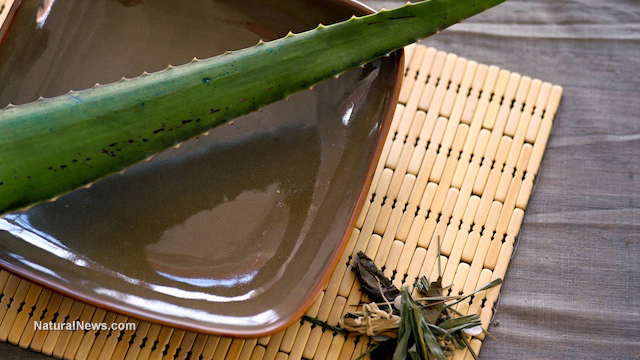
Aloe vera

Aloe vera has 20 minerals, 12 vitamins, 18 amino acids, 200 active plant compounds (phytonutrients), and strong antibacterial, antiviral and antifungal properties.

Aloe vera benefits include:

• Eases inflammation and arthritic pain
• Heals ulcers and a wide variety of digestive disorders and complications
• Treats candida and parasites
• Reduces heart attacks and strokes
• Helps halt growth of cancer tumors

Bee pollen

Bee pollen is a rich source of carotenoids, 22 amino acids, and enzymes. It is a also good source of B-vitamins, vitamin C and E, and over 68 minerals.

Bee pollen benefits include:

• Combats cancer, diabetes, arthritis and depression
• Promotes increased strength, stamina, endurance and energy levels
• Increases concentration and memory
• Improves fertility and enhances sexual activity
• Increases resistance to infections

Maca

Maca is a very nutrient-dense superfood and a complete source of amino acids. It also is rich in B-vitamins, vitamins C and E, and is a good source of copper, iron, potassium, calcium, magnesium, phosphorus and zinc.

Maca benefits include:

• Improves anaemia
• Reduces chronic fatigue
• Relieves stress and depression
• Improves libido and fertility
• Improves adrenal function
• Strengthens memory

Reishi

Reishi is a rich source of antioxidants. It is also a good source of B-vitamins, as well as potassium, niacin, magnesium, selenium, copper and phosphorus.

Reishi benefits include:

• Combats immune-related disorders like allergies, arthritis and cancer
• Reduces physical and mental stress
• Reduces inflammation
• Protects the liver
• Helps correct digestive disorders

Goji berries

Goji berries contain 18 amino acids, 21 trace minerals, vitamin A, B-complex, C and E, and is a superior form of antioxidants.

Goji berries benefits include:

• Significantly improves immune function
• Protects DNA
• Protects the eyes and liver
• Reduces inflammation
• Protects the heart
• Improves mood and libido

Chlorella

Chlorella is a rich source of complete protein, a potent source of chlorophyll, and rich in the entire vitamin complex. It is also an exceptional source of iron and zinc, as well as magnesium, phosphorus, calcium and potassium.

Chlorella benefits include:

• Helps detoxify biotoxins, xenobiotics and heavy metals
• Helps kill candida and yeast overgrowth
• Known cancer fighter
• Prevents and improves diabetes and insulin resistance
• Reduces pain associated with arthritis and fibromyalgia
• Helps heal and repair tissue growth
• Reduces and eliminates digestive issues

Hemp

Hemp contains 20 amino acids and is a complete source of plant protein. It is also nature's most abundant source of essential fatty acids and has a perfect 3 to 1 ratio of omega-6 to omega-3.

Hemp benefits include:

• Fortifies immune system
• Reduces inflammation
• Improves memory and prevents brain-related diseases
• Clears up skin disorders
• Helps keep digestive tract healthy and clean
• Helps prevent cancer
• Helps reduce risk of diabetes

Coconut

Coconut is an excellent source of fatty acids, including lauric and caprylic acid, which destroy bacteria, viruses and fungi. It's also a good source of B-vitamins and a great source of copper, calcium, iron, manganese, magnesium and zinc.

Coconut benefits include:

• Improves immune system function
• Helps protect against brain-related disorders
• Lowers risk of diabetes
• Reduces joint and muscle inflammation
• Strengthens liver
• Kills bacteria and parasites
• Protects against cancer and other immune-related diseases
• Eases acid reflux and promotes proper digestive function

About the author:
Derek Henry, B.Kin, is a highly revered holistic health coach and world renowned natural health blogger who created Healing the Body to help people understand the fundamental principles to exceptional health so they can overcome their own health challenges. 


http://www.naturalnews.com/045331_superfoods_healing_disease_prevention.html