Showing posts with label raw food. Show all posts

Wednesday, 8 April 2015

The 101 on Raw Food and Digestion


Eek! You started a raw food diet and noticed something alarming: suddenly your body is running a little more slowly, you’re not visiting the bathroom as regularly, you have a tiny – or larger? – food baby all the time… what gives, body? Isn’t raw food supposed to be super cleansing and the easiest thing for us to break down?
Not so fast. There are a few things to take into consideration when working raw foods into your diet. It’s important to know that, yes, there is value to eating raw food!  Some great raw options for most diets include sprouted raw nut butters and soaked, sprouted seeds or grains.
There’s also value in cooked food and it’s important to remember that everyone’s body will respond differently to a combination of raw and cooked foods. Read on for more about the raw versus cooked plant food question. You’ll also find some ways to keep your body happy using cooked plant-based ingredients, especially if you’re noticing that raw foods are a little jarring to your sensitive system at first. Remember, easing into a raw lifestyle is a smarter approach, not forcing your body to do something it may not be ready for yet.

Things to Remember About Raw Food and Digestion:


Raw Foods Are Cooling

The 101 on Raw Food and Digestion
Cool foods slow digestion. Think of your digestive tract as a rain forest: in order for it function at its best, it needs to be moist and warm. Too dry (like a desert) or too cold (like a tundra) and things go into slow-down survival mode (you would, too, if you were in an extreme environment like that!). Raw foods cool, while warm foods… warm. While cold smoothies have their place in a diet, too much of them may offset digestion. Something like these Baked Swiss Chard and Sweet Potato Spring Rolls would be a great way to work in the cooked veggies without overtaxing your body’s fiber load and still benefiting from cooked healthy foods.

Fiber is a Tricky Beast

STEAMED-SWEET-POTATOES-with-WILD-RICE-BASIL-+-TOMATO-CHILI-SAUCE-1200x750 (1)
We’re taught that fiber is essential to regularity, so wouldn’t it make sense that packing tons of fruit, veggie and seed fiber into the body should make digestive trouble a non-issue? Well, there are two kinds of fiber: soluble and insoluble. Soluble fiber, like flax and apple flesh, readily absorbs water and becomes fluid in the body. Insoluble fiber, like the dense crisscrossed structure of a kale leaf, does not break down in water and requires ample chewing to be able to move through the body. It’s more prone to slowing things down if improperly chewed or if it’s introduced to an environment already lacking in water. Here’s an article on Cooking Greens So They Taste Delicious that will also make digestion a bit easier at the same time. Don’t fear fiber, just remember to include a mix of different kinds so your body stays in balance. This Steamed Sweet Potatoes With Wild Rice, Basil, and Tomato Chili Sauce is also a great recipe that’s a perfect example of a nice mix of soluble and insoluble fiber.

Your GI Tract Would Really Prefer to Break Down Liquids

The 101 on Raw Foods and Digestion
When we cook foods, the heat begins the process of taking apart the macronutrients, so by the time these foods reach the stomach, they’re partially broken down. This makes the GI tract’s job a little easier; after all, the stomach won’t heat up to partially cook something before breaking it down, and it doesn’t have teeth to tear. The wisdom that we should chew our food until it’s liquid applies to raw food, too: we want to do a little work on the stomach’s behalf before we overwhelm it with tough-to-break down fiber.  You should of course, still eat, and not consume liquids alone, but don’t forget to chew your food, even if it’s a yummy smoothie, or a warm, liquid soup. (Want some semi-liquid recipes to start with? See these 10 Plant-Based Stews Using Global Flavors.) Plus, if the stomach sends only partially broken down food to the small intestine, the backlog of work just continues throughout your system. This leads to bloating and backups, especially because…

High-fiber Foods Absorb Water

The 101 on Raw Foods and Digestion
So now you have a gut full of partially digested fiber. It’s pulling in all of the water it can find, and stirring up anything else that has been hanging out in your system. Unless you’re incredibly well-hydrated, your system will become too dry to move all of this bulk out. Brussels sprouts are particularly tricky: it’s like eating a whole mini cabbage! Get their nutrient goodness in these Stir-fried Brussels Sprout Leaves with Ginger and Curry instead.

Fats From Oils May Help Keep the Body Lubricated

The 101 on Raw Foods and Digestion
Often, we don’t incorporate enough oil when eating an exclusively raw diet. Some people don’t do well with oil, so please decide how it works for you before adhering to any advice. For those struggling with digestion and regularity, the use of a little oil on a raw salad can help to lubricate the body and prevents digestion from being held up. Cooking with coconut oil, olive oil or sesame oil can be helpful ways to add these beneficial fats into your diet; plus, the vitamins in fruits and veggies are fat-soluble. Adding healthy fats to dishes not only makes things taste good; it actually makes them more nutritious. There are some great ways to use oil alongside high-fiber veggies in this post, 10 Ways to Cook with Root Veggies. If you don’t tolerate oil well, then be sure to eat healthy, whole food fats like avocados and raw coconut meat, which will also provide healthy fats in a lighter format.

Use Dried Fruit With Awareness and Caution

The 101 on Raw Foods and Digestion
Place a raisin in water and what happens? It rehydrates. It also becomes gooey and sticky… exactly what happens when dried fruit rehydrates in the GI tract. As a popular component of raw food diets, these are a common culprit in digestive trouble, somewhat because of the concentrated sugars, and because some people’s systems don’t handle them as well as others. This isn’t to say they won’t work for some  people (since they may actually help some people with slow digestion), but if you’re using them and having trouble, ease up on the dates, figs, raisins, etc. and use fresh, whole berries (or frozen) instead. Or, try lightly poaching or baking fruit: not only is it easier to break down, the warmth can help soothe your whole system and keep things humming. Check out these fun ways to cook with a variety of fruits.
Remember that raw and cooked foods both have their place in a diet, especially if you’re new to healthy eating and your system is still learning the ropes. Don’t adhere to rigidity or “shoulds” when embracing plant-based nutrition. Listen to your body and incorporate a variety of whole, plant-based foods into your routine.


Monday, 9 March 2015

COCONUT LEMON MOUSSE (PALEO, RAW & VEGAN)

Coconut Lemon Mousse (Paleo, Raw, Vegan)
While it’s already known that coconut milk can do no wrong, as demonstrated by this tomato curry with creamy coconut cauliflower rice, we can never get enough of this magic the liquid that comes from the grated meat of a coconut.
And then there’s coconut cream, which is the thick non-liquid part that separates and rises to the top of the coconut milk when is refrigerated and allowed to set.
Coconut cream is very similar to coconut milk but is thicker because - of course - it contains less water.
Now here’s the thing about coconut cream, you can make luscious whipped cream from it.
I know, BOOM!
Coconut Lemon Mousse (Paleo, Raw, Vegan)

Coconut cream whips up into thick yet airy whipped cream, a bazillion times better than Cool Whip.
But then again Cool Whip is gross; almost anything is better than Cool Whip.
Still a fan of Cool Whip? Think again!
Blogger Jonathan Fields did a little experiment to teach his daughter a lesson on why not to eat Cool Whip. Read up on his horrifying 12-day Cool Whip.
I know, ewww...
Coconut Lemon Mousse (Paleo, Raw, Vegan)

Back to whipped coconut cream; whenever you want something creamy and non-dairy to go with your dessert, it’s a fantastic option.
It does taste strongly of coconut, however, as you might expect.
So if you do not like the flavor of coconut, this is not for you.
But for all you coconut lovers out there, I bring you this I-cannot-find-the-proper-words-to-define-it Coconut Lemon Mousse.
The recipe features whipped coconut cream, lemon zest, vanilla and a sweetener of your choice.
I’ll let you contemplate that for a moment. Take your time.

Coconut Lemon Mousse                                                                                        Print this recipe! 
Inspired by GI365

For the coconut cream, refrigerate the cans of coconut milk overnight, (several days if possible) then scoop out the cream that rises to the top and reserve the liquid for other uses.

Ingredients 
Serves 4

Ingredients

Coconut cream scraped from the top of 2 (13.5 oz) chilled cans of full fat coconut milk (use BPA-free coconut milk)
2 tablespoons raw coconut palm sugar (or other sweetener of your choice)
½ teaspoon vanilla extract
zest of one lemon
pinch of salt

Directions

In a small bowl combine coconut sugar with the lemon zest, rubbing the mixture between your fingers to help infuse the sugar with the lemon flavor.
In a large bowl of a heavy-duty mixer or with an electric hand mixer, fitted with whisk attachment, beat/whip coconut cream and salt, starting on low, increasing incrementally to medium speed until soft peaks become visible, about 2 minutes.
Add the sugar mixture and vanilla extract and beat until the mixture is smooth and the sugar is no longer visible.
Divide the mixture evenly among ramekins and refrigerate until ready to serve.

Nutrition facts

One serving yields 316 calories, 30 grams of fat, 9 grams of carbs and 3 grams of protein.

Monday, 23 February 2015

Raw Peppermint Patties

By Heather Braaten

Made from whole food ingredients, including nutrient rich raw cacao and healthy fats from coconut and cashew, these treats will not only satisfy your sweet tooth, they'll also nourish you.
Raw Peppermint Patties


Makes about 18 patties
For the filling
  • 1/4 cup, plus 2 tablespoons raw coconut butter
  • 2 tablespoons raw cashew butter
  • 2 tablespoons raw honey
  • ½ teaspoon peppermint oil
  • pinch of salt
For the coating
  • 3 full tablespoons coconut oil
  • 1 ½ teaspoon raw honey
  • ½ cup raw cacao powder
  • pinch of salt
Preparation
1. Combine all filling ingredients into a bowl and mash together with a fork, carefully smoothing out lumps of coconut butter and cashew butter, until all ingredients are well combined & dough-like.
2. Roll into a long, skinny log approximately 1" diameter. Wrap in plastic wrap and set in the freezer for approximately 30 minutes, or until very cold & solid.
3. In a double broiler, or over very low heat, melt coconut oil & honey together, add cocao & salt, and stir until smooth & completely combined. Let cool slightly.
4. Remove filling from the freezer. Slice the log into thin disks. Work in batches, keeping most of the disks frozen, while you coat a few at a time.
5. Dip each pattie in the chocolate sauce. Work quickly, so the disks stay cold. Put coated patties back in the freezer and coat your next batch. Serve frozen.
Photo courtesy of the author
http://www.mindbodygreen.com/0-17322/raw-peppermint-patties.html

Friday, 5 December 2014

Top 10 Ways to Prepare Kale


My body has been deprived of leafy greens this summer. It has been so hot here in Nashville, that no greens stood a chance to grow in the blazing heat. Last week, I saw a familiar friend at the Market – KALE! I couldn’t believe it. For me this marked the end of the summer, and the promise of cooler temperatures to come.

So I over zealously bought 5 bunches, which set me back about $15. I didn’t care, I had kale.

Once I got home I realized that I couldn’t really fit all 5 bunches in my refrigerator, so I needed to deal with it in the next day or so. So I decided to make up a big batch of kale pesto that I could freeze. (Recipe)

After receiving lots of messages via twitter about what else people could do with kale, I figured I’d better help ya’ll out and offer a few ways to prepare it. It’s no secret that kale is one of nature’s super foods, and getting it into your diet is worth the effort.

10 Great Ways to Eat Kale...

Kale Chips – This simple preparation of kale will have you begging for more. A crispy salty treat that is better than popcorn or potato chips.

Kale Pesto – More flavorful than basil pesto, this is a great addition to pizza, pasta, or in an omelet.

Sauteed Kale – For a hearty side dish, this is a classic preparation. I saute onions and garlic before I add the kale, and add a couple dashes of hot sauce for an added kick.

Kale Quiche – You can substitute any spinach quiche with kale and it offers the same great taste with the added health benefits.

Kale Soup – A classic kale soup is made with white beans and ham or sausage, however I like this recipe of using acorn squash and kale to create a sweet and savory winter favorite.

Kale Lasagna – The perfect “make ahead” recipe for a hearty dinner is a dish the whole family can enjoy.

Kale Juice – If you own a juicer, kale is quite possibly the healthiest thing to juice. Mix it with apples, carrot and a little lemon for a drink that is better for you than liquid gold.

Kale Slaw – You can substitute raw kale for raw cabbage in this recipe.

Kale Pasta – One of my favorite ingredients to add to pasta. Goes with just about anything from spaghetti to sausage pasta to baked macaroni and cheese.

Kale Pizza – One of the joys I’ve found with eating seasonally is changing up my grilled pizza toppings. One of my favorite combinations is sauteed kale, caramelized onions, strong white cheeses, and some crispy bacon.
Overall, kale is a delicious and hearty green. Treat it like spinach and you can substitute it in just about any recipe. Experiment and enjoy!

Sunday, 30 November 2014

Yet Another Reason to Cook That Broccoli


reasons to cook broccoli

If I stop by the raw juice bar at my local healthfood store late in the day, I always request a thorough clean-out of the commercial sized juicer before my favorite organic raw juice blend of carrots, celery, beets, cucumber and half an apple is prepared.

This is because the juicing that has been occurring all day long prior to my arrival is typically very heavy on the cruciferous vegetables – primarily raw broccoli and kale. In fact, so many people come in ordering green drinks containing raw broccoli that there is a huge bin of bare broccoli stalks sitting on the back counter.

The juicer clean-out assures that no leftover raw broccoli juice or pulp gets in my juice. If it does, I get a terrible stomach ache and usually a temporary bout of nausea.
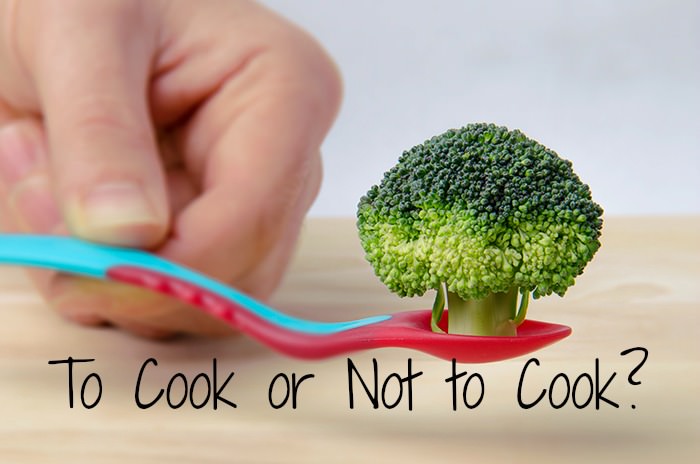
The truth is, raw cruciferous veggies like broccoli, cauliflower, cabbage and kale are not at all easy to digest for a lot of people even those with strong digestion. The reason is the high fiber content of this particular class of vegetables.  This fiber, called cellulose, makes these vegetables hard to handle in raw form.
When a food is difficult to digest, this also makes it problematic for the body to fully extract the nutrition. This is why nutritional pioneer Dr. Weston A. Price always suggested lightly cooking vegetables in butter before consuming them and recommended the practice in a letter to his beloved nieces and nephews early in the last century.

The cooking serves to soften and break down the plant fiber, and the healthy fats in the butter improve nutrient absorption. Research out of Iowa State and Purdue University has confirmed the wisdom of Dr. Price’s recommendation, as the nutrition from vegetables has indeed been found to be more readily absorbed in the presence of fat.  So much for the supposed wisdom of low-fat salad dressing!
Now, research is confirming the traditional wisdom of cooking your crucifers too.
While it is well known that eating cruciferous vegetables reduces the risk of cancers of the digestive tract, this protective effect was thought to be best obtained when these vegetables were consumed raw.

Sulphur-rich phytochemicals found in cruciferous veggies called glucosinolates have a strong anti-tumor effect, but are only effective when they are converted to isothiocyanates (ITC).  It was previously thought that cruciferous veggies had to be eaten raw for this to take place.  This is because the glucosinolate-ITC conversion process requires the presence of the enzyme myrosinase which is destroyed during cooking.
Broccoli Benefits Not Diminished by Cooking
Now, an interesting study by The Fred Hutchinson Cancer Research Center has demonstrated that beneficial gut bacteria can do the work for us. Although the enzyme myrosinase is destroyed by heat, consumption of cooked cruciferous vegetables actually stimulates the appropriate beneficial microbes that are able to convert glucosinolates into ITC .
Once again, beneficial gut bacteria are found not only to protect our health and boost our immune system, but also to nourish us at a most basic level
Another benefit of cooking cruciferous vegetables like broccoli is that it reduces the goitrogenic chemicals in these plants that block the production of thyroid hormone.  In the article The Dark Side of Crucifers: Goitrogens, Chris Masterjohn PhD has this to say:
Most forms of cooking reduce but do not eliminate the goitrogenic effect. Microwaving cabbage reduces the goitrogen bioavailability to one-half; steaming broccoli reduces it to one-third; and boiling watercress reduces it to one-tenth. Boiling not only leaches goitrogens into the cooking water, but also brings the vegetable to a higher temperature, causing a greater thermal destruction of the goitrogens within it. Boiling cabbage for just five minutes results in a 35 percent loss of goitrogen activity; thereafter, each additional five minutes results in another five to ten percent loss. By thirty minutes of boiling, 87 percent of the goitrogens are eliminated.
Hence, anyone with a known or suspected thyroid issue should seriously consider cooking that broccoli and other cruciferous veggies or avoiding them temporarily until thyroid problems improve.

But What About Salads?
While an occasional arugula salad, a handful of broccoli florets or cup of coleslaw is not going to do any harm to most folks, it would be wise to exercise caution and not make a habit of consuming large amounts of raw cruciferous vegetables especially in the presence of thyroid issues.

Another consideration is for those suffering from acid reflux. A very small amount of raw cabbage a few minutes before a meal can be extremely helpful in reducing reflux issues as suggested by Dr. Natasha Campbell-McBride MD. Cabbage stimulates hydrochloric acid (HCL) production to permit digestion to proceed normally without the creation of a secondary wave of acid from the putrefying contents of the stomach erupting back into the throat. My husband actually uses this home remedy with amazing success particularly when we are traveling and the quality of the food is not as good as what we eat at home.

Fermenting Cruciferous Veggies
Of course, if you wish to preserve all the enzymes and still break down the cellulose in cruciferous vegetables without cooking, you can try your hand at fermenting them.  Traditionally made sauerkraut, for example, not only breaks down and softens the cellulose but also adds additional enzymes and probiotics to the mix.
Note, however, that fermentation does not reduce goitrogens in crucifers.  Since fermented crucifers such as sauerkraut are typically eaten as a condiment and, hence, in small amounts, consumption is usually fine if the diet is rich in iodine and there is no thyroid condition present.
Once again, science is bearing out the wisdom of traditional food preparation practices!

Sarah, The Healthy Home Economist

http://www.thehealthyhomeeconomist.com/real-reason-for-toxic-wheat-its-not-gluten/

Friday, 28 November 2014

These People Reversed Their Diabetes In 30 Days With This One Change

diabetes

Diabetes is one of the most rampant diseases of our time. According to the American Diabetes Association, in 2012, 29.1 million Americans, or 9.3% of the population, had diabetes. [1]

In fact, diabetes is growing at a fairly fast rate. A study completed by the CDC & Research Triangle Institute concluded that If recent trends in diabetes prevalence rates continue linearly over the next 50 years, future changes in the size and demographic characteristics of the U.S. population will lead to dramatic increases in the number of Americans with diagnosed diabetes. [2]

According to the current mainstream approach, the major goal in treating diabetes is to minimize any elevation of blood sugar (glucose) without causing abnormally low levels of blood sugar. Type 1 diabetes is treated with insulin, exercise, and a diabetic diet. Type 2 diabetes is treated first with weight reduction, a diabetic diet, and exercise. [3] Currently the belief is “Diabetes is a chronic disease that has no cure.”– The American Diabetes Association.

But what if we could not only prevent diabetes before it happened, but also reverse it once it shows up?

6 Test Subjects Reverse Diabetes In 30 Days
In the film Simply Raw: Reversing Diabetes in 30 Days, six test subjects were used, all of whom had varying lifestyles and conditions but were all diabetic- five type 2, and one type 1. Each subject was taking insulin.

Before we get into the results of this film, let’s take note of what is established about type 1 and type 2 diabetes. This information is from The National Diabetes Education Program:

Type 1 diabetes – the body does not make insulin. Insulin helps the body use glucose from food for energy. People with type 1 need to take insulin every day.

Type 2 diabetes – the body does not make or use insulin well. People with type 2 often need to take pills or insulin. Type 2 is the most common form of diabetes.

The participants of the program were as follows:

Austin (age 25) was not only a type 1 diabetic, but he also had a drinking problem.
Kirt (age 25) had a blood sugar reading of 1200. Normal is below 100. His doctor told him, “You should be dead.”
Bill (age 58) was seeing a cardiologist and had neuropathy. He could not feel his feet.
Michelle (age 36) was quite obese.
Henry (age 58) took insulin plus 9 pills daily. Blood sugar was at 464.
Pam (62) was quite obese. Her father, brother and sister are also diabetic.
Simply-RawThe Method
The approach Gabriel Cousens takes to cure people of diabetes is all about changing their diet. He states that research shows that in terms of health, meat eaters have 4 times more breast cancer, 3.6 times more prostate cancer, 4 times more diabetes, and much more in general chronic disease. If you’re just having milk, that’s 3 times more leukemia.[4]

Given his position on diet, he believes in taking a mainly raw approach to eating and consuming a plant based diet. His team prepares raw, well-balanced and whole meals for the test subjects throughout the 30 day period. The food becomes their medicine.

With medical supervision, all of the subjects took their medication as needed and ate the food that is provided to them by Gabriel and his team at the Tree Of Life Rejuvenation Center.

Results
By Day 3 of the program Kirt, Bill and Henry were able to stop taking insulin and medication. Their blood sugar levels had already dropped to the normal range after just 3 days of changing their diet. Pam was able to cut her insulin intake by 1/3. Austin, the type 1 diabetic, was able to cut his insulin intake down to half. And Michelle saw her blood sugar at around 362. This discouraged her to the point where she didn’t want to stay in the program any longer, although she did.

By day 12 of the program, Henry’s blood sugar had dropped 256 points compared to day 1. He was not using medication to lower his blood sugar levels. Although he was seeing great results, Henry felt he was too old for the program and requested to go home. His family arrived on day 17 and he went home. By that time, he was no longer taking 17 medications, he had lost 30 pounds and his blood pressure had decreased. In Henry’s case, his addiction to the food he used to eat was too difficult to overcome.

By the very last day, day 30, incredible results were seen that intensely challenges the current belief that diabetes has no cure.

Kirt no longer needed medications. His blood sugar had dropped 214 points to as low as 73 (normal) without medication. It was later found out he was type 1 diabetic since the beginning. Status: Within normal range.
Bill stopped taking 19 medications and lost 32 pounds. His blood sugar dropped 214 points to 74 (normal) without medication or insulin. Status: Within normal range.
Michelle stopped taking all of her medications and lost 23 pounds. Her blood sugar dropped from 291 to 109 without the use of medication. Status: Within normal range.
Pam lost 26 pounds while her blood sugar dropped 167 points down to 112 without medication. Status: Within normal range.
Austin, who is type 1 diabetic, lost 20 pounds and reduced his insulin from 70 units down to 5. Status: Drastic improvement in diabetic condition.
As you can see, all participants had drastic turn-arounds in their health and all had their diabetes either completely reversed or severely under control. A type 1 diabetic (Kirt) had his diabetes completely cured -something that is considered impossible. All type 2 diabetics no longer needed insulin.

What Does This Tell Us?
Like many things in modern medicine, we don’t have all of the answers and in a lot of cases we have a difficult time admitting that what is currently mainstream  isn’t always the best course of action.

People everywhere are taking alternate routes to achieve results equal to and sometimes better than what is made available to them through mainstream voices like doctors and government appointed professionals. I feel it’s important that people know their options and have a fair chance of hearing them out. I know many people with diabetes who aren’t aware of the power of food in transforming their condition yet are taking insulin and following mainstream ideas as if it’s the only truth.

It isn’t to say that the mainstream is bad, it’s simply that we are missing out on other options in a big way. After all, the American Diabetes Association makes claims about there being no cures yet the above results would suggest there is more to that story.

Have you ever tried raw food to cure your diabetes? We are curious to hear some real live results from others.

Sources:

1. http://www.diabetes.org/diabetes-basics/statistics/

2. http://care.diabetesjournals.org/content/24/11/1936.full

3. http://www.medicinenet.com/diabetes_treatment/article.htm

4. http://www.treehugger.com/culture/dr-gabriel-cousens-on-curing-diabetes-with-raw-food-and-on-why-going-vegan-makes-sense.html

5. http://www.webmd.com/diabetes/blood-glucose-control

http://www.collective-evolution.com/2014/09/09/these-people-reversed-their-diabetes-in-30-days-with-this-one-change/

Thursday, 13 November 2014

3 ‘Healthy’ Sweeteners That Actually Are Bad For You


Image source: Flickr

Written by: Susan Patterson
We are a country infatuated with sugar. From the time we are young, food manufacturers inundate us with multi-million dollar advertising campaigns targeted to get us to consume more and more sugar-laden foods. Sugar is cheap, and sugar sells.
But sugar contributes to a plethora of life-threatening conditions such as hypertension, depression, obesity, diabetes, heart disease and even cancer. Consuming an excess of sugar may cause mood swings, hormone problems, gallstones, asthma, accelerated aging, suppressed immune system functioning, acne and even arthritis.
Even if you are not overweight, consuming excess sugar increases your risk of dying from cardiovascular disease, according to a recent study published in JAMA Internal Medicine.
Most of the sugar consumed today is in the form of high fructose corn syrup found in soft drinks and other processed and fast foods.
The average American consumes 22 teaspoons of sugar each day, with the average child consuming even more – 32 teaspoons. Over the last 10 years, overall sugar consumption in the US has escalated a whopping 23 percent.
The American Heart Association says women should consume no more than 6 teaspoons of sugar per day, men 9.
OK, so you are ready to give up sugar, once and for all, right? No more soda, no more sweet tea, no more candy. But what do you do when you crave something sweet but don’t want to go back to sugar or foods loaded with high fructose corn syrup?
Perhaps try a “healthy” alternative? Unfortunately, these alternatives can actually end up being equally unhealthy — if not more unhealthy — than sugar itself.
Here are three sugar substitutes that are marketed as healthy, but in fact are not:
1. Truvia. This product is actually manufactured by Coca-Cola and is touted as being natural. The main ingredient in this concoction is called rebiana, a highly refined type of stevia. In addition, this sugar substitute contains erythritol, which doubles as an insecticide.
In one study, researchers found that fruit flies that ate Truvia died within a week compared to their normal 39-51 day lifespan.
More research is necessary to determine if Truvia is only selectively poisonous to insects and is safe for humans. Still, it is important to understand that this product is not natural, but rather is highly processed and synthetic. Unfortunately, many of the studies claiming Truvia to be safe have been conducted by the company, Cargill, which manufactures it along with Coca-Cola.
2. Agave nectar. You may have heard that agave nectar, the amber-colored liquid that is adored by the gluten-free crowd and suitable for vegan diets, is a suitable natural replacement for sugar. If so, you heard wrong. The problem is that manufacturers have taken an entirely natural and beautiful plant — the blue agave — and processed and refined its syrup to create a super sweet sugar alternative that masquerades as natural. In reality, the syrup is almost entirely refined fructose, which makes its glycemic level low, but it has the same impact on the body as high fructose corn syrup.
Story continues below the video
When you consume fructose in its natural form in fruits such as apples, it can be healthy. But when it is commercially concentrated, it comes without fiber, antioxidants or vitamins — and at a great metabolic price. Consumption of synthetic fructose causes such things as metabolic syndrome, liver and kidney disease, lowered immune system, heart disease and accelerated aging.
While a little agave nectar certainly won’t kill you, it is wrong to assume it is good for you or even a safe alternative to table sugar. The reality is that it is equally as bad for you as is high fructose corn syrup.
3. Sucralose. More commonly referred to by its brand name, Splenda, this synthetic sugar substitute — which is 600 time sweeter than sugar — also goes by other names such as SucraPlus, Candys, Nevella and Cukren. It was first discovered by researchers in 1976 who were trying to find ways to use sucrose as a chemical intermediate in non-traditional areas. It has absolutely no nutritional value.
The American Council on Exercise says consuming too much sucrose can lead to mood swings brought about by a sharp elevation in blood sugar followed by a dramatic “crash. This may be followed by irritability and fatigue. In addition, because sucrose is digested so rapidly, it shoots glucose into the blood faster than it can be burned, which results in excess glucose being stored as fat. Sucrose may also trigger food cravings and cause you to overeat.
Sucrose also promotes the growth of bacteria on teeth which can lead to accelerated tooth decay and can result in poor insulin sensitivity, which is a precursor for type 2 diabetes.
Splenda recently was downgraded from “safe” to “caution” by the Center for Public Interest. This change in rating followed an Italian study which showed a link between an increased risk of leukemia in lab animals and consumption of Splenda.
Safe alternatives
If you are ready to give up sugar but not your sweet desires, try some of these safe and deliciousalternatives:
Organic coconut crystals
A great natural way to sweeten beverages and other foods is by using organic coconut crystals. These super sweet golden nuggets come from the sap of the coconut flower and are delicious. Not only do they taste good, but they also contain a load of minerals and B vitamins, making them a wonderful and nutritious alternative to refined sugar.
Organic whole leaf stevia
Stevia (Stevia rebaudiana) hails from South America, and its leaves are about 40 times sweeter than sugar. Look for whole, organic stevia leaves and simply crush them and add them to your favorite dish or beverage.
(Want more info? Read 11 All-Natural Sweeteners You Can Grow In Your Backyard.)
Raw local honey
Raw local honey is loaded with nutrients and is another great natural sweetening option. It contains vitamin C, as well as B vitamins and a host of minerals such as potassium, calcium and magnesium. It has antiviral, antibacterial and anti-fungal properties and supports healthy digestive flora. Check for local honey at your farmer’s market or local health shops.
No matter what you do, just be sure that you do your research on the type of sugar substitute you are using. Look for products that are 100 percent real and organic. And don’t take the manufacturer’s word for it.

Tuesday, 4 November 2014

Man heals stage 3 prostate and colon cancers with raw food diet

 Raw Michell


Joshua Strayer was once told by seven different specialists that he had stage 3 colon and prostate cancer and that surgical treatment was necessary.(1) Without it, they told the newlywed that his wife might end up a widow in just six short months, a comment that both angered 330-pound Strayer yet propelled him to set out on a healthier path. After hearing the news, he and his wife engaged in research about adopting a healthier lifestyle.

Today, he's healed himself from cancer, saying that his doctors were so amazed that not only did they check and re-check his blood several times, but now actually claim to have made mistake in their diagnosis. Furthermore, he's also 140 pounds lighter, now weighing about 190 pounds.

The dietary changes that healed stage 3 cancer

"I'm almost literally half the individual I was before but exponentially more spiritually and every which way," he tells The Raw Food World CEO Matt Monarch in an interview detailing the journey that helped him develop a healthy relationship with food.(1) He explains that it's a relationship that leaves him feeling fulfilled, not deprived, because so many healthy and tasty options exist.

So, what did he do?

Rather than get involved with the doctor-recommended surgeries and other cancer treatment options, Strayer explains that he cleansed his body with herbal remedies, eliminated processed foods in favor of eating whole foods and that initially, he stayed away from the vibes of negative people.(1)

Today, he enjoys a raw vegan lifestyle, something that he easily transitioned to after a few months on a vegetarian diet. He also cut his salt intake in half and stopped drinking sodas. Strayer says he hasn't looked back. It's a focus that Monarch fully embraces, saying that in order to heal from degenerative diseases and improve overall health, the "key is to eliminate processed foods."(1)

Key foods that help heal cancer

Top foods that have been shown to help heal cancers like prostate include green tea, broccoli and tomato, turmeric, pomegranate, cauliflower and Brussels sprouts.(2) In fact, eating a combination of tomato and broccoli has been shown to have a "synergistic effect" in reducing prostate tumor growth by an impressive 52 percent.(2)

The American Cancer Society notes that lack of exercise, being overweight and eating a diet high in red and processed meats can lead to a higher risk of colon cancer.(3) As for prostate cancer, the American Cancer Society mentions that men who eat dairy and fewer amounts of fruits and vegetables tend to have more of a risk than those who eat otherwise.(4)

"If you believe it and commit to it," says Strayer, "you will become healthy and you will heal yourself from anything possible."(1)

Sources for this article include:

(1) http://news.therawfoodworld.com

(2) http://www.naturalnews.com

(3) http://www.cancer.org

(4) http://www.cancer.org

Learn more: http://www.naturalnews.com/046231_raw_food_diet_cancer_disease.html#ixzz3I8PWweIF

Tuesday, 28 October 2014

70-Year-Old Looks 30, Reveals Fountain of Youth

70-Year-Old Looks 30, Reveals Fountain of Youth

27 years ago, Annette Larkins decided to become a raw vegan. She was already enjoying a vegetarian diet at the time, but decided to take it a step further. Her main motive was to improve and maintain her health. What she got in return surpassed her expectations and made her a star of the raw vegan community. Watch the video below to hear her full story:


Friday, 10 October 2014

Breast Cancer Survivor Says Raw Food Diet Helped Her Heal

20140528212453-1973369_835972519749421_1413494418895877905_o

Janette Murray-Wakelin is a breast cancer survivor who credits a raw food diet, meditation, physical activity, and following her intuition for her ability heal. In the early 2000s, she was diagnosed with Stage 3 breast cancer and told that she had just six months to live, without any guarantees. However, within those same six months, she was given a clean bill of health and also went on to participate in hundreds of marathons in only one year.(1,2) That’s right, in just one year.


“I was already compromised, so why would I compromise myself further so I’d get another six months of being sick?”(1) Rather than embrace what she calls a “very fear-driven” mindset that many doctors create in such a situation, she shunned their chemo and radiation recommendations in favor of alternative methods that she felt were significantly wiser and healthier choices. “Most people go with what their doctor says because they don’t realize that they can take responsibility and control themselves,” Murray-Wakelin says


The Decision to Walk Away from Traditional Cancer Treatments

So, without hesitation, she walked away from traditional cancer treatments and started asking herself what she could put in her body to make a difference. What made the most sense to her was to enjoy a diet filled with high-nutrient, living foods.(1)

Australia resident Murray-Wakelin, who was a vegetarian at the time of her diagnosis — something she says worked in her favor, making her better poised to fight her breast cancer and respond to juicing — had always been interested in fitness and health. However, she believes that accidental exposure to high-chemical substances that got on her skin and being in an area where she was exposed to toxic levels of pollution led to her diagnosis.(1)

Upon receiving news of her breast cancer, she immediately immersed herself in research and read up on others who chose to forego traditional cancer treatments. Referring to many books and studies that have a slew of side effects and questionable results listed, she notes that “…the smaller the print got, the more it became obvious that this was not the thing to do.”(1) Instead, she turned to the book The Breuss Cancer Cure by Rudolph Breuss, doing a 42-day juice fast based on its writings.
BerriesBlue.Straw_

For her particular situation, the fast included several healthy foods from the Brassicaceae family such as beet root, broccoli, and Brussels sprouts.(1) After 42 days, she added other foods such as carrots and green apple to her juices.

Wheat grass was also a must, helping to rid harmful cells. “Cancer cannot survive in an oxygenated environment, therefore the more oxygen I could pump into the body through exercise, conscious breathing and drinking wheat grass, the better,” she says.(2) She says that the idea was to starve her cancer while at the same time, provide the body with nothing but essential nutrients to keep it going strong.(1)

Why Staying Physically Active Keeps Cancer at Bay

As for fitness, she explains that doctors told her to take it easy and to stop running. “So, the first thing I did,” she says with a laugh, “was increase my distance.”(1) Once again, she stresses the importance of how cancer cells can not thrive in an oxygenated environment, which is why she felt exercising more and not less, was essential.

Just how active has she been?

In 2013, her and her husband ran 365 marathons for 365 consecutive days throughout the year. On January 1, 2014, they ran one more which set a new world record for the most consecutive marathons.(3) By the way, they’re both in their sixties! They say their 100% raw vegan plant-based diet, awareness of sustainability, and faith in human kindness and healing naturally keeps them motivated.(3) Barefoot shoes, they add, help too.

She describes having tons of energy and feeling “fantastic.”(2)

“There is absolutely no doubt in my mind that consuming 100% raw food made a huge difference to my recovery time and to my overall healing,” she says.(2) “My diagnosis of cancer and resulting journey to optimum health has been an experience I am truly grateful for. I know for certain that I will continue on the raw path, as I continue to experience more health benefits and an ever-increasing enlightened consciousness. Every day is exciting when you are raw!”
http://worldtruth.tv/breast-cancer-survivor-says-raw-food-diet-helped-her-heal/

Sunday, 13 July 2014

The Raw Food Diet: Trend Worth Trying or Half-Baked Hype?

Advocates of this diet make enticing claims: Look younger! Slim down! Cure your ailments! Here's what you need to know about eating raw.