Friday, 12 October 2018

How to improve your health using natural nutrition!


Click Here For More Articles


Don't forget to opt-in to Our Healthy Living Society and get 3 free gifts while receiving the latest information on health, well-being and groundbreaking news about natural nutrition.

Third of 'gluten-free' options in restaurants contain gluten!


Third of 'gluten-free' options in restaurants contain gluten image

Be warned—gluten-free food served in restaurants may be nothing of the sort. Around a third of meals listed as being gluten-free contain traces of the protein that's found in wheat and other grains.
Pasta and pizzas are the foods most likely to contain some traces of gluten, which can cause a life-threatening reaction in the 1 per cent of people who are celiacs, and unpleasant side effects in the gluten-intolerant, estimated to be around half the adult population.

Around half the gluten-free pasta dishes and pizzas actually contained gluten, researchers from Columbia University discovered when 800 of their investigators carried out spot checks on 5,600 gluten-free options in restaurants across the US.

Around 27 per cent of breakfast meals contained traces of gluten, and this rose to 34 per cent of the meals served for dinner. Half the pasta dishes and pizzas contained gluten, measured as 20 parts per million, considered the cut-off point for gluten-free claims.

The major problem was cross-contamination in the kitchen from food containing gluten when meals are prepared, said lead investigator Benjamin Lebwohl. "The fact that gluten was so often found in pizza suggests that sharing an oven with gluten-containing pizza is a prime setting for cross-contamination. Gluten-free pasta can be contaminated if prepared in a pot of water that was used to prepare gluten-containing pasta."

https://www.wddty.com/news/2018/10/

Click Here For More Articles

Don't forget to opt-in to Our Healthy Living Society and get 3 free gifts while receiving the latest information on health, well-being and groundbreaking news about natural nutrition.

Thursday, 11 October 2018

How I beat Arthritis with a fruitarian diet!

Author: 
Joanna Evans

'How I beat arthritis with a fruitarian diet' image

Eating nothing but fruit and a bit of positive thinking helped Hilde Larsen overcome debilitating rheumatoid arthritis.
Hilde had been plagued with health problems for most of her adult life—stomach ulcers, constipation, kidney stones, hives, urinary tract infections, sciatica—but she had never considered herself as anything other than normal. "Everyone had some sort of ailment, some sort of pain or discomfort," said Hilde, who is from Norway but has a second home in Florida. "I could see that I had more than most, but I was strong, I could handle it." 
This diagnosis, however, Hilde could not handle. "I was in shock," she said. "I felt sick to my stomach and lost. What I knew to be my future had been turned upside down." 
Hilde had been admitted to a hospital specializing in rheumatic diseases after suffering for years with painful, swollen joints. It started in one foot but soon spread to her fingers, elbows and the rest of her joints, making it increasingly difficult for Hilde to work—as an interior architect in the day, running her own business, and as an aerobics and spinning instructor in the evening.  
The hospital confirmed that Hilde had severe rheumatoid arthritis (RA), an autoimmune condition in which the body's own immune system attacks the cells that line the joints, causing pain and inflammation. Hilde was informed that she would need to take medication for the rest of her life and would probably end up in a wheelchair. 
Hilde was already taking Vioxx (rofecoxib), a potent nonsteroidal anti-inflammatory drug, or NSAID, that has since been withdrawn from the market because it was found to cause heart attacks. But three more drugs were prescribed to treat her condition: the chemotherapy agent methotrexate, the corticosteroid prednisone—both immune system suppressants—and Enbrel (etanercept), a drug designed to block the overproduction of tumor necrosis factor (TNF), an inflammation-regulating protein thought to be behind the symptoms of RA.
At the time, Hilde felt lucky to be on the drugs—especially Enbrel, which she was told was a new, very expensive drug with great results. She believed she was receiving the very best that medicine had to offer.
Hilde had to administer Enbrel via injections to her stomach, which became sore and red around the injection sites and "looked like the world map after a while," she said, but she persisted. And, sure enough, her joint pain started to improve.
"The swelling was going down, and I could move freely again. I was even able to wear my high heels," she recalled—a boon for this self-confessed "shoe-freak."
Hilde resumed her busy work schedule and active lifestyle, enjoying the freedom of having a fully functioning body again. But something wasn't the same.
"I felt like a dark cloud was hanging over me," said Hilde. "And my energy levels had dropped big time."
Hilde found herself depressed and anxious, with an irregular heartbeat. She also suffered from severe stomach pain, had flu-like symptoms, and felt constantly nauseated and dizzy.
She consulted her regular doctor as well as her rheumatologist numerous times about whether her symptoms were side-effects of her medication, but each time her concerns were dismissed.
After two more years on the medication, she had become so sick that she had to give up her business and stop working altogether.

Seeing clearly
The turning point came when Hilde had a vivid dream in which she was confronted with an enormous barrel filled to the brim with syringes—all the drugs that she had injected into her body. "I woke up with an amazing sense of clarity," said Hilde. "I thought: you're literally killing yourself!"
Hilde made up her mind to stop taking all of her medication and threw all her drugs away, even though her doctors warned that she would die without them. At that point, Hilde discovered that she had only gotten worse, even with the so-called wonder drug. "I went downhill steadily," said Hilde. "Soon I couldn't bend my fingers, elbows or knees, and needed a wheelchair to get around. I was in inflammation hell."
This sudden deterioration scared Hilde, but it also fueled her to find a way to get well. She read for 16 hours a day, researching why she was so sick and how to get better.
What followed was many years of trying out all kinds of alternative treatments and techniques, from elimination diets and liver flushing to hyperbaric oxygen therapy, and various electromagnetic and infrared technologies. "I was my own guinea pig," she recalls.

Back to nature
What eventually worked was a back-to-basics approach that didn't center on popping handfuls of vitamin pills every day or using special machines, but instead on trusting nature and enabling the body to heal itself.
A cornerstone of this approach was a fruit-only diet. Hilde had been following a raw-food diet for three years, eliminating cooked foods completely in favor of raw greens, nuts, seeds and plant oils. This helped to some extent, said Hilde, but her body was still inflamed and in pain.
While looking for answers online, Hilde came across the YouTube videos of Robert Morse, a naturopathic doctor and master herbalist who believes that all disease stems from a stagnated lymphatic system—the body's waste-disposal system. He advocates a fruitarian diet to remedy this, as fruits are highest in astringent and antioxidant substances that can get the lymphatic system moving and encourage detoxification. Other more complex foods will simply slow down this all-important process, claims Morse.
While there has been little to no mainstream research into the possible benefits of a fruitarian diet—or even a raw vegan one—Morse believes that fruit is the optimal food for humans because it requires little energy for the body to digest and has a very high water content. According to Morse, water within raw food has added benefits over simply drinking water because it can carry the plant's enzymes, antioxidants and other health-giving molecules directly into cells.
Although medical evidence to support these claims is thin on the ground, there is some compelling research from evolutionary biology and anthropology to suggest that, like our cousins the great apes, we humans have the physiological features (especially the teeth and digestive tract) of an "unspecialized frugivore [fruit-eater], having a flexible diet that includes seeds and meat."1
In other words, we evolved to be nutritional 'opportunists,' with fruit front and center in our diet, accounting for the majority of our calories, while happily gobbling tasty herbs and fat- and protein-rich morsels like nuts, insects and small mammals when the opportunity arose.
Hilde made an appointment to meet with Morse in Florida and followed his advice for gradually transitioning to a fruitarian diet. Out went all the green juices and salads smothered with olive oil, and in came a colorful array of fresh, organic fruits to eat and drink. Morse also prescribed several herbal tinctures to assist with detoxification.
What happened next "was like being on a rollercoaster," Hilde said. "I'd start feeling better, then suddenly my fingers would swell up to twice their size. I'd feel better again, then something else would swell up."
Hilde believes this was all part of the healing process. Indeed, as time went on, she began to notice consistent changes. She was ecstatic the first time she could walk down the stairs unaided and even more thrilled when she discovered she could swim in the ocean again. "It was a very slow, subtle process," said Hilde. "Getting sick happens over years. Healing is the same."

Mind over matter
In addition to switching to a fruitarian diet, Hilde also consciously changed her mindset, which she believed was just as important in her healing process as nutrition. She'd grown interested in the work of the late Louise Hay, the bestselling self-help author who wrote numerous books on the transformative power of thoughts, and started saying 'affirmations'—positive self-talk—daily, such as 'I am feeling better and better every day,' 'I am healthier now than in a very long time,' and 'I am worthy of health.'
"An affirmation is simply words that are used to generate a feeling," Hilde explains. "I could believe those words, and they lifted me."
To bolster this positive state of mind and combat stress, she also turned to meditation and visualization techniques.
This simple, natural approach of eating fruit and thinking positively is what Hilde credits with getting her better—as well as 'earthing' or 'grounding,' which involves walking barefoot outdoors in direct
contact with the earth. A growing body of research has shown that earthing has quantifiable effects on inflammation, sleep and pain reduction.2
The theory behind this popular therapy is that the earth is a natural source of electrical and magnetic fields considered essential for the proper functioning of physiological processes in the human body, including circulation and biorhythms.
As her symptoms improved, Hilde found she could get outdoors and reconnect with nature more and more.

Coming to fruition
Today, five years after starting her own body-mind regime, Hilde is a picture of health, with no symptoms to speak of. Now a health and mindset coach, she is on a mission to inspire others to take control of their own health, even though she has inevitably received a fair amount of criticism from friends and doctors alike.
"I had a serious accident a few years ago which nearly tore off my foot. Five different doctors and nurses came to my bedside to lecture me on how I wouldn't heal on my current fruit-only diet. But my body handled it beautifully. One doctor told me he'd never seen such rapid healing."
Hilde also gets compliments from her dentist, who always remarks on her healthy, white teeth. In fact, all that acidic fruit doesn't appear to have had a detrimental effect at all on her dental enamel, possibly because Hilde practices 'oil pulling' daily, a technique in which natural oils are swished around the mouth to clean the teeth and gums. She also makes sure she rinses her mouth out with water after eating or drinking.
A fruit-only diet may not be for everyone, but Hilde has hit on a holistic approach that appears to work for her—and it certainly comes with fewer side-effects than the cocktail of drugs that her doctors wanted her to take for the rest of her life.
Hilde is happy, healthy and pain-free—and who can argue with that?

Fruit for life
Hilde's daily diet consists of organic fruit and nothing else—no nuts, seeds, vegetables, meat or fish—as she says fruits are the most cleansing and natural foods for the body. However, many fruitarians do include some vegetables, pulses, and/or nuts and seeds in their diet as well. As a fruit supplying all important fats, avocados are also a staple of many fruitarian diets.
Hilde will typically eat all kinds of fruit daily, including watermelon, berries, grapes, dates, mangoes and plenty of orange juice, but there are certain rules about which types of fruits go together, as Hilde explains in her book Know the Truth and Get Healthy (iUniverse, 2016):

Eat acidic fruits alone or with sub-acidic fruits.
These mainly include the citrus fruits, such as orange, lemon and lime, as well as pineapple. The acidic fruits are the most astringent and aggressively detoxing fruits.
Sub-acidic fruits can be paired with acidic fruits and sweet fruits. The sub-acidic fruits include apples, pears, grapes, mangoes, kiwis, berries and peaches. These are the medium-astringent fruits.
Sweet fruits can be eaten together with the sub-acidic fruits, but not with acidic fruits. The sweet fruits include bananas, dates, papayas and figs, and are considered the least detoxifying.
Melons have a separate set of rules. Eat them alone or leave them alone. They do not digest well with other fruits.

The power of positive thoughts
Hilde believes that positive thinking and visualization played a crucial role in her recovery from crippling rheumatoid arthritis—and there's mounting evidence to show that good thoughts can have powerful effects on all kinds of illness.
Researchers led by cardiologist Daniel B. Mark from Duke University School of Medicine in North Carolina found that how we perceive our own health can be as important to medical outcomes as how doctors measure it.
The team studied 2,885 men and women who underwent cardiac catheterization, a procedure used to diagnose and treat some heart conditions, and found that the patients who described their health as poor were almost three times more likely to die from any cause, and over three-and-a-half times more likely to die of heart disease, than patients with the same disease severity and risk factors but who were most optimistic about their health, describing it as 'very good.'1
According to American psychologist Martin Seligman, the brain registers optimism and makes changes via chemical and neural pathways that affect cellular function throughout all the body's systems. In fact, a positive attitude is associated with stronger immunity and lower levels of the stress hormone cortisol.2
In cancer patients, visualization, or guided imagery, the technique of using positive mental images to create a desired physical outcome, has been found to improve stress, anxiety and depression, as well as some of the side-effects of chemotherapy.3
Some studies even suggest that guided imagery can directly affect the immune system. Researchers at Oregon Health and Science University in Portland found that breast cancer patients who practices guided imagery for eight weeks increased their levels of natural killer cells—specialized immune cells that play a major role in tumour rejection.
However, this increase was not maintained three months after the treatment ended, suggesting that the technique needs to be practiced long term to have lasting positive results.4

Research also shows that a person's ability to generate mental images and become absorbed in them as if they were real is a useful predictor of success with guided imagery.5

https://www.wddty.com/magazine/2018/october/

Click Here For More Articles

Don't forget to opt-in to Our Healthy Living Society and get 3 free gifts while receiving the latest information on health, well-being and groundbreaking news about natural nutrition.

Wednesday, 10 October 2018

Health Benefits of Guava!


Click Here For More Articles

Don't forget to opt-in to Our Healthy Living Society and get 3 free gifts while receiving the latest information on health, well-being and groundbreaking news about natural nutrition.

Consumers sceptical about synthetic supplements!

Most Americans prefer natural dietary supplements over synthetic and think synthetic supplements should be labelled as such, according to new research commissioned by the Trust Transparency Center (TTC).

The national survey, conducted by Ooyen Research, surveyed a cross-section of 1,002 adults in the US, age 18 and over. The survey found:
  • Among supplement users and those with an opinion, 83% of respondents said synthetic supplements should always be labelled.
  • Fifty-one% of women said supplements should always be labelled synthetic.
  • Only 8.15% of respondents said they would purchase synthetic-labelled supplements, and of that group 4.32% of respondents said they’d want the product labelled synthetic.
“We live in an era of increasing transparency,” said Scott Steinford, founder and managing partner, Trust Transparency Center and author of The ROI of Trust Transparency. “Consumers expect brands to be transparent with their materials and the results of this survey support that consumers want to know if the product they’re buying is derived from synthetic material.”
TTC cites as ruling in August 2018 by the European Commission (EC), that allows the term synthetic to be removed from zeaxanthin labels. The ruling stated that it was “to alleviate any potential negative economic impact that the use of synthetic may cause due to the negative connotation of the term synthetic.”
“In some cases, the synthetic form is more beneficial to the body, and without labelling consumers won’t know that,” added Steinford. “Making decisions to help the economic well-being of a company vs. offering trust transparency to consumers is a disservice to consumers and the industry.”
https://www.naturalproductsglobal.com/

Click Here For More Articles

Don't forget to opt-in to Our Healthy Living Society and get 3 free gifts while receiving the latest information on health, well-being and groundbreaking news about natural nutrition.

Tuesday, 9 October 2018

Delicious vegan and vegetarian high protein meals!


Delicious vegan and vegetarian high protein meals image

One of the greatest dietary myths is that vegetarians—especially vegans—don't eat enough protein. Nancy Addison serves up three good sources of plant protein in these delicious recipes
I can't tell you how many people I have met who have told me they used to be vegetarian or vegan, but they had to go back to eating meat because they didn't feel healthy or were hungry all the time.
In actuality, it can be quite easy to get all of the nutrients you need, including protein, if you just know what nutrients your body requires and where to find them. Plant-based foods are extremely high in complex amino acids and can provide quality protein as well as other nutrients.
Legumes are one of the best sources of protein for a vegan diet. The health benefits of legumes, which most of us know as beans, peas, peanuts and lentils, are that they are high in fiber, amino acids (which are the chemicals that combine to create proteins), folate (vitamin B9), zinc, iron and magnesium. Just make sure that all legumes are well cooked.
Here are the best protein sources to choose from:
Beans: When beans are rich in color, then they are high in antioxidants as well, because the antioxidants are found in the color pigment. Black beans have the highest number of antioxidants. Beans also help prevent blood sugar levels from rising too quickly after a meal, making them a good food choice for people with diabetes or low blood sugar (hypoglycemia).
Lentils: Lentils are edible seeds—they come in black, red, brown, green and orange varieties—that belong to the legume family. They can help improve digestion, control diabetes, and contribute to heart health and weight loss. Plus, they're one of the oldest known sources of food, dating back more than 9,000 years.
Lentils have an incredible amount of protein for a plant-based food—up to 35 percent of the content of a lentil is made up of the complex amino acids (the building blocks of protein) your body needs—which is comparable to levels in beef, poultry and fish.
Nuts: Nuts are also perfect foods because they are a combination of protein, fat, and carbohydrate. However, nuts also contain delicate polyunsaturated fatty acids that can become rancid shortly after being shelled. To avoid this, store them in a tightly sealed container (preferably glass) in the refrigerator.

Almost all nuts contain enzyme inhibitors and phytic acid, which can prevent the body from absorbing some nutrients. To help diminish the levels of these compounds and make the nuts more digestible, place them in a glass or steel bowl and soak them for 12-18 hours. When buying nuts and seeds, look for products that are sprouted or have been soaked.

Cooking advice: taking care with lectins
Most legumes contain lectins, proteins that can bind to different carbohydrates in your body. They can also cause a leaky gut wall and can be inflammatory in susceptible individuals. You can minimize these effects by cooking legumes well. Make sure to:
• Soak beans for at least 12 hours before you cook them. Change the water and even add baking soda to it, which will further neutralize the lectins. Be sure to throw away the water you use for soaking—don't cook with it.
• Opt for using in a pressure cooker, which can destroy the harmful lectins better than ordinary boiling.
• Don't cook beans in a slow cooker, which can increase toxicity levels. Cooking normally on low heat also increases toxicity.
• Start out cooking on high heat for at least 15 minutes and then reduce the heat and cook for as long as possible.
• Consider sprouting beans, which reduces lectin levels.

Sprouted beans
The optional seaweed in this recipe adds nutrients and helps make the beans more digestible. Serve them on top of a salad for a light lunch.
Ingredients
1 lb (450 g) dried beans (any variety)
Water for soaking and cooking
1 tsp pure coconut oil
2-inch (5-cm) square of seaweed (optional)
Unrefined sea salt to taste
Directions
1) Check beans and discard any that are shriveled or discolored. Also, make sure there are no little stones or foreign matter mixed in with the beans.
2) Sprout the beans so they are more digestible (see box, page 44). Beans contain phytic acid and lectins that prevent them from being digested easily. Sprouting the beans makes them more nutritious as well. Soak beans overnight or for a couple of days (depending on the size of the bean—large beans need to soak at least 2 or 3 days to sprout) in pure water. Make sure the dish is large enough for beans to double or triple in size and still be covered by at least two inches of water. Check daily and add more water as needed. When you see a tiny split or sprout, they are ready to cook.
3) Discard the water the beans were sprouted in.
4) Put the sprouted beans in a large pot and fill with enough new, purified water to cover
the beans by about two inches. Add salt, coconut oil and seaweed, if using. Bring water to a boil.
5) Reduce the heat to a simmer and cook beans until tender, 45 minutes to an hour, depending on their size. Larger beans will take longer. Add more water if it gets too low, and the tops of the beans are showing.
6) Remove from heat, and they are ready to serve.

Variation:
Add a little extra virgin or pure coconut oil for additional richness.
Nutty Sweet Rice with Lentils

I also add some coconut oil for the savoury flavor it adds to the recipe. In addition to making the dish taste more satisfying, coconut oil increases energy levels, improves skin health, helps in stress reduction, increases good cholesterol, eases asthma symptoms and can aid in preventing liver disease and help control blood sugar.

Ingredients
2 cups (380 g) medium-grain, sprouted brown rice
¼ cup (50 g) sprouted lentils (To sprout lentils, soak them overnight in pure water and then drain off the water before cooking in fresh water. This removes the phytic acid.)
¼ tsp unrefined sea salt
6 cups (1.4 L) non-chlorinated water
1-2 organic vegetable bouillon cubes
1 Tbsp extra virgin, pure, organic coconut oil
½ cup (62.5 g) pecans or walnuts, finely chopped
½ cup (75 g) raisins
¼ cup (19 g) raw coconut flakes
Ghee to coat (optional)

Directions
1) Rinse the rice and lentils in a small-weave sieve until the water runs clean.
2) Dissolve bouillon cube(s) in the water in a large pot.
3) Add rice, lentils, sea salt, coconut oil and half of the nuts and raisins to the pot.
4) Bring to a boil, then reduce heat to a simmer.
5) Cover the pot and do not disturb for 35-40 minutes. Do not stir.
6) When it looks as if all the water is absorbed, then the rice and lentils are ready.
7) Add ghee, if using, to the rice and lentil mixture and gently toss.
8) Gently scoop out the rice and lentils and add the coconut and remaining nuts and raisins.

Variation:
Add a little sautéed onion after cooking for a richer flavor.

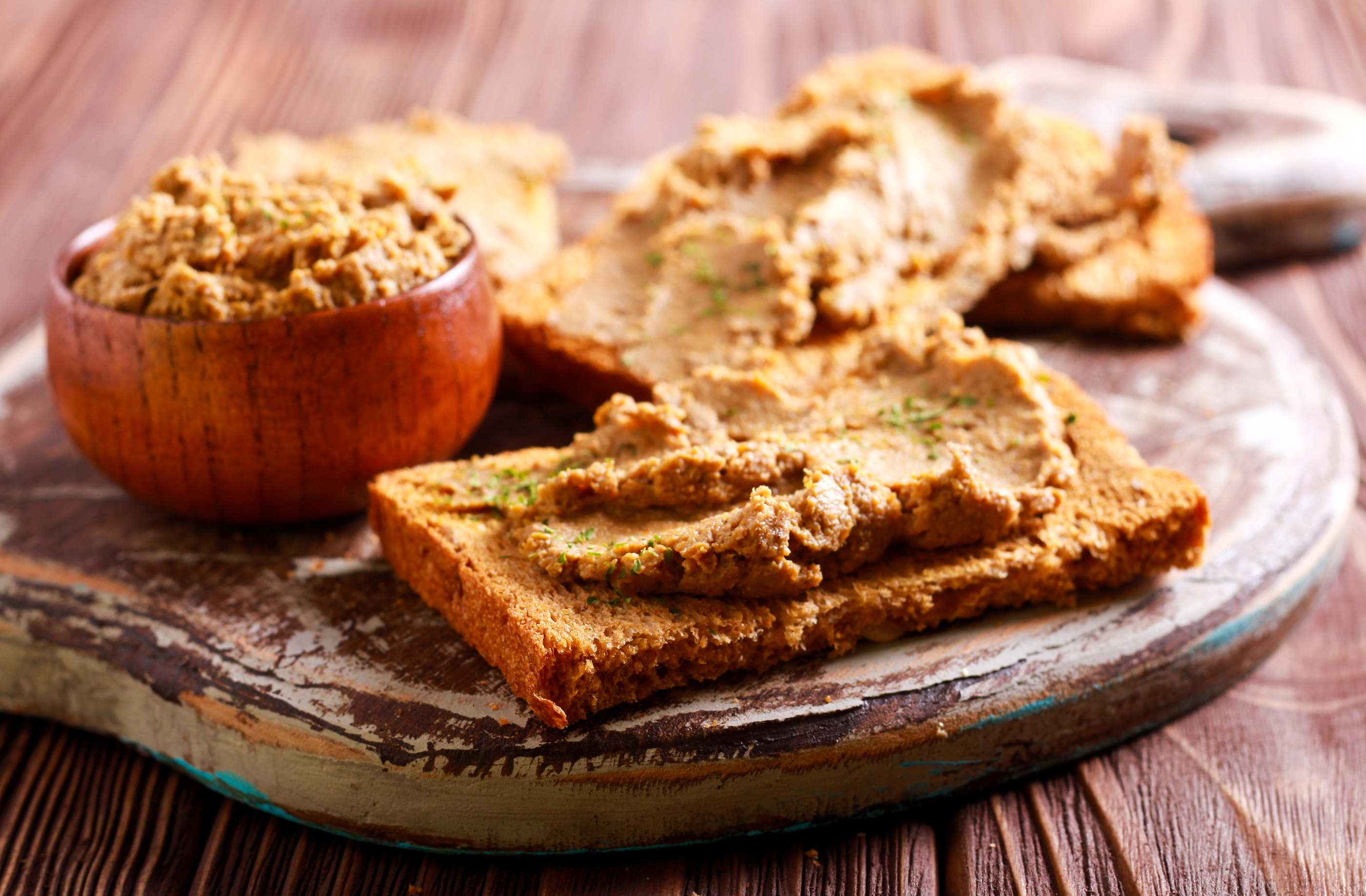
Nut Pâté

This is an easy, rich, savory snack or appetizer that's vegan, gluten-free and raw. You could also serve this with crackers or with chopped vegetables as a dip. Just be sure to start this recipe a day ahead of time, so you can soak the nuts in water to remove the phytic acid, or buy already sprouted nuts.
Ingredients
2 cups (250 g) sprouted pecans (If your pecans are not sprouted, soak them for 12-18 hours in water. Then drain them and dry them in a dehydrator or in an oven on low heat.)
1 red bell pepper, cored, seeded and chopped
2 large celery stalks, chopped
2 Tbsp fresh lemon juice
1 tsp unrefined sea salt
Dash of mesquite powder (optional)
Directions
1) Combine all ingredients in a food processor, adding a little water if necessary.
2) Transfer to a serving dish, and it's ready to eat.

Nancy Addison is a nutritionist, health consultant and author of six award-winning nutrition and cookbooks.
For more information, visit her website:
www.organichealthylife.com


Click Here For More Articles

Don't forget to opt-in to Our Healthy Living Society and get 3 free gifts while receiving the latest information on health, well-being and groundbreaking news about natural nutrition.

What Aloe Vera Does In Your Body: Why Call It The Plant Of Immortality?


Aloe Vera is a plant which is widely known for its wide array of amazing healing properties. It has been used for centuries. Even the Egyptians called it the plant of immortality. Aloe Vera is packed with over 200 biologically active and naturally occurring compounds. These include vitamins, amino acids, enzymes, polysaccharides and minerals that stimulate nutrient absorption.
Here are some of the Aloe Vera compounds:
Vitamins and Minerals:
Aloe Vera contains vitamins A, C, E, B1, B2, B3, B6, folic acid and choline. Additionally,
Aloe Vera contains vitamin B12, a vitamin that vegans can’t consume in high quantities due to their diet. When it comes to minerals, Aloe Vera contains calcium, magnesium, iron, zinc, manganese, potassium, sodium and copper. When combined, this mineral can boost metabolic pathways.
Enzymes:
Aloe Vera contains important enzymes such as amylase and lipase. They help digestion by breaking down fat and sugar molecules.
Amino Acids
The salicylic acid in Aloe Vera helps fight inflammation. Moreover, Aloe Vera is rich in over 20 essential amino acids that are required by the human body in order to function properly.
Benefits Of Aloe Vera!
  • Prevents digestive disorders such as bloating, constipation, IBS and colitis, and soothes the stomach,
  • Encourages the production of white blood cells,
  • Diminishes the risk for arthritis inflammation,
  • Treats acne and eczema,
  • Hydrates the skin,
  • Reduces rashes, boils, and other skin irregularities,
  • Helps burns heal,
  • Fills in wrinkles,
  • Heals wounds,
  • Boosts the immunity,
  • Regulates the blood sugar,
  • Strengthens the urinary tract performance,
  • Helps with reducing heartburn and indigestion,
  • Improves the heart’s work and the blood’s quality,
  • Keeps the gums healthy.
Aloe Vera can be used topically or you can consume it. If you choose to ingest it, you can control the concentration of Aloe in your juice mixtures and smoothies.
How To Prepare And Use Aloe Gel?
Ingredients you need:
  • a clean cutting board,
  • a sharp filleting knife,
  • an aloe plant,
  • a clean plate,
  • a clean cotton towel,
  • a sterile glass jar,
  • fresh lemon juice,
  • a food processor (optional).
Instructions:
  • Start by washing your hands and cleaning the work surface. It is important to eliminate any unwanted bacteria.
  • Choose leaves that are mature, thick, fleshy and a deep green in color. Leaves should be at least 4-6 inches long. The oldest and largest outermost leaves near the bottom of the plant are ideal; they contain a thick, nutrient-rich gel layer.
  • Cut the leaves. Use a sharp knife to create a clean cut, without harming the plant of course. Cut close to the base of the leaf and slice away from the center of the plant.
  • Rinse the outer skin of the leaves and knife. Now place the cut leaves in a bowl at a 45 degree angle for 15 minutes or so. This step enables the dark yellow, very bitter Aloe juice or latex to drain out, which is found in the cells located just under the surface of the leaf. The latex is a very powerful laxative, which can irritate the intestines. The laxative effect could cause potassium levels to become low.
  • Remove the serrated edges and skin carefully. Place the concave side down on a cutting board. Next, slice around the perimeter. This will leave you with the top and bottom layer of skin, exposing the Aloe gel in between. Run the knife just under the top layer and peel it away. You can do the same on the opposite side.
  • Remove the gel from each leaf and place it in a clean jar. You can squeeze some lemon juice over it and shake the jar to coat equally.
  • Pour the gel into a food processor and make a smooth gel. Keep the gel in a sealed jar in the fridge. It can stay up to a week.
Use:
If you want to use it topically, clean and cut the leaf lengthwise and rub the gel on the wound few times a day, until it is completely healed. For medicinal use, take 30 ml of the gel, 3 times a the day.

http://healthysolutions.life/what-aloe-vera-does-

Click Here For More Articles

Don't forget to opt-in to Our Healthy Living Society and get 3 free gifts while receiving the latest information on health, well-being and groundbreaking news about natural nutrition.

Monday, 8 October 2018

Should You Be Taking an Algae Supplement?

baibaz/Shutterstock
Source: baibaz/Shutterstock
 
Algae protect the ocean, but how can they benefit people? They've been studied extensively, and what we’ve discovered is that they're truly a superfood. Not only can algae be a source of greens, protein, vitamins and minerals, it can also strengthen the immune system, help cleanse the body of toxins and boost your energy.

But how do algae make it from the ocean to us? Algae farms like Qualitas Health in Texas are harvesting kilos of biomass to create a plant-based source of omega-3 fatty acids. A strain that starts in a beaker can eventually produce between 10,000 and 15,000 kilos of biomass per acre a year. While you can usually get the fatty acids separately from fish or supplements, Qualitas is growing a genus of algae that blends both of omega-3’s two essential fatty acids together, according to Longview News-Journal.

Spirulina, a well-known type of algae, is rich in some nutrients that aren’t found in the typical daily multivitamin. According to the FDA, spirulina contains significant amounts of calcium, niacin, potassium, magnesium, B vitamins and iron. It also has essential amino acids, which are the building blocks of proteins. In fact, protein makes up about 60 to 70 percent of spirulina's dry weight.
What’s more, in a 2008 study in the Annals of Nutrition and Metabolism, researchers found that people who took 8 grams of spirulina supplements daily for 16 weeks experienced lipid-lowering effects and significant reductions in cholesterol.

While the National Institutes of Health recommends researching the source of spirulina in supplements to ensure they are grown in safe conditions and tested for toxins, if harvested the right way, algae can be one of the most eco-friendly and sustainable foods you can find. With algae-sourced nutrients, you’re not tapping into already overfished marine ecosystems. In addition, acre for acre, harvested algae produces much higher protein levels than beef, milk, wheat, and soy.
Hydroponically grown algae like ENERGYbits requires less space per cubic centimeter and delivers more nutrients per acre than any other crop. The omega-3 found in ENERGYbits is safer than fish oil, and it’s vegan and doesn’t go bad like fish oil can. In addition, people with shellfish allergies or dietary restrictions on animal products can get their omega-3 from algae instead.
Scientists are still studying the bioavailability of nutrients in individual foods, or how much the body absorbs these nutrients, as well as how they work to help prevent disease. So it’s important to combine algae with a healthy diet to see the most nutritional benefits, as the nutrients from the food and algae will work in synergy, which will increase their bioavailability.
https://www.psychologytoday.com/

Click Here For More Articles

Don't forget to opt-in to Our Healthy Living Society and get 3 free gifts while receiving the latest information on health, well-being and groundbreaking news about natural nutrition.

6 Legit Health Benefits Of Quinoa!

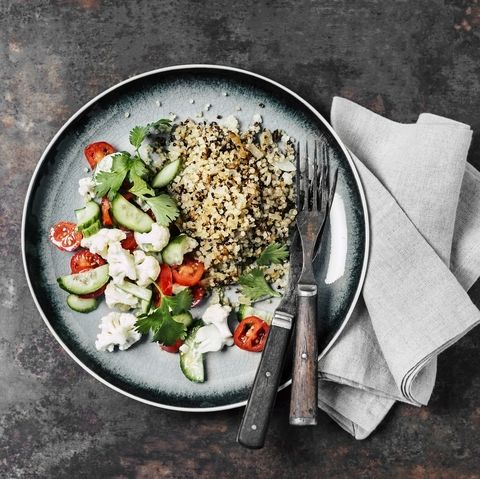
Quinoa with fresh salad
Getty ImagesClaudia Totir
First things first: Do you know how to actually say the word quinoa?
The correct answer is...wait for it...KEEN-wah. (Don't believe me? The receipts come courtesy of my good friend, Merriam-Webster.)
But no matter how you've been pronouncing the word, I hope you've been eating the gluten-free ancient grain, because it comes with a ton of health benefits.

1. Quinoa is packed with protein.

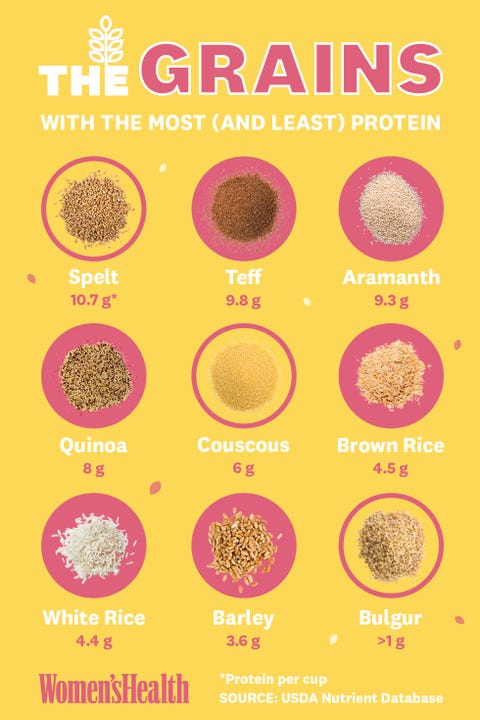
protein content of popular grains   Quinoa has way more of the muscle-building nutrient than most of the grain options you'll find at the supermarket. Added bonus: It’s a ~complete~ protein, meaning it contains all the nine essential amino acids your body needs (most plant-based proteins only have some of those key amino acids).
“Incorporating just one cup of quinoa a day into something like a grain bowl with other veggies or adding it to homemade soup will add eight grams of protein,” says nutritionist Maggie Michalczyk, M.S., RD.

2. ...And fiber.

You’ll get five grams of the filling nutrient per each one-cup serving. “Most Americans aren't meeting the daily recommended amount of fiber [that would be 25 to 28 grams per day for an adult woman, according to the Institute of Medicine's dietary guidelines], so cooking with quinoa is a great way to get more,” says Michalczyk.
That fibre won't just keep you, uh, regular, either. Since quinoa is low in fat and sugar and contains complex carbs, you’ll feel full without a ton of bloat to weigh you down.

3. Quinoa may help keep you at a healthy weight.

We've talked about how that protein plus fiber combo is super-satisfying—especially great if you're trying to lose a few pounds, says Michalczyk.

4. Quinoa is naturally gluten-free, if that's your thing.

If you have Celiac's disease or a gluten intolerance, you don't have to suffer through pasta envy anymore—quinoa is a legit way to indulge your carb habit (way better than corn or rice flour, which don't have as much nutritional value, says Michalczyk).

5. ...And it totally has you covered in the vitamins and minerals department.

Speaking of vitamins and minerals...quinoa comes with a dose of iron and magnesium. “Magnesium is important for muscle contraction and relaxation, as well as bone health, and iron is extremely important for your red blood cells because it helps to carry oxygen from your lungs to the rest of your body,” says Michalczyk.
She recommends soaking quinoa in water before you cook it so your body can absorb even more of these key nutrients.

6. Quinoa may even help regulate your blood-sugar levels.

Good news for your ticker: “Quinoa has a low glycemic index, which is a measure of how quickly a food will raise your blood sugar,” says Michalczyk. And regular blood-sugar levels equal a lower risk for scary conditions like heart disease and diabetes, she explains.
Ready to prep a big batch? Try these fun ways to use it:
Warm Garbanzo and Quinoa Salad

Click Here For More Articles
Don't forget to opt-in to Our Healthy Living Society and get 3 free gifts while receiving the latest information on health, well-being and groundbreaking news about natural nutrition.

Thursday, 4 October 2018

Antibiotics raise risk of heart disease and cancer!


Antibiotics raise risk of heart disease and cancer image

Although antibiotics can be life-saving drugs, they also raise the risk for a range of other serious chronic conditions, including heart disease and some cancers, new research has found.
This is because antibiotics destroy the 'good' bacteria in the gut that protect against infections and inflammation, and inflammation is the key to many chronic diseases, from arthritis, heart problems and cancer.

Although medicine accepts that over-use of antibiotics leads to resistance and 'super bugs', it can also be the gateway drug to most of the chronic diseases that afflict the West.

Researchers from the dental school at Case Western Reserve University in Cleveland analysed the effect that antibiotics have on the bacteria in our mouths, and discovered the drugs stripped out the ones that fight inflammation and fungal infection such as Candida.

The drugs killed the short-chain fatty acids that are produced by the body's 'good' bacteria. As lead researcher Pushpa Pandiyan said: "We have good bacteria doing good work every day, so why kill them? As is the case with many infections, if you leave them alone, they will leave on their own."

In other words, antibiotics should be restricted only to life-or-death emergency infections; the body's own natural defence mechanisms can deal with the rest.

References

(Source: Frontiers in Microbiology, 2018; 9: doi: 10.3389/fmicb.2018.01995)

Click Here For More Articles

Don't forget to opt-in to Our Healthy Living Society and get 3 free gifts while receiving the latest information on health, well-being and groundbreaking news about natural nutrition.

Wednesday, 3 October 2018

Alzheimer’s breakthrough as study points to a natural nutritional formula!

Waterford scientists reveal Alzheimer’s breakthrough as study points to a natural nutritional formula that can delay disease

Waterford scientists reveal Alzheimer’s breakthrough as study points to a natural nutritional formula that can delay disease Waterford, Ireland / WLR
Ground-breaking new research by a Waterford team has identified a unique combination of nutrients to slow the progression of Alzheimer’s disease.
The 18-month study, published in the June edition of the respected Journal of Alzheimer’s Disease, examined the effect of nutritional compounds – found in common foods such as trout, broccoli and peppers – on people with the condition and reached a ‘statistically significant’ finding.
Pioneered by respected Cambridge University academic Dr Alan Howard, who invented the innovative Cambridge Diet, the trial studied people diagnosed with AD from a mild to advanced stage.
Conducted by experts at the Nutrition Research Centre Ireland based in the School of Health Science in Waterford Institute of Technology in collaboration with University Hospital Waterford, it initially set out to examine the biochemical response of AD patients to two different combinations of nutritional supplements. The first formula contained the macular carotenoids Lutein, Meso-Zeaxanthin and Zeaxanthin, and the second combined the macular carotenoids plus a specifically designed fish oil.
However, the researchers unexpectedly made a crucial discovery.   They identified that patients receiving the formula containing fish oil maintained cognitive abilities and quality of life – far beyond those taking macular carotenoids alone.

Based on carer reports, trial participants were overwhelmingly identified to have positive outcomes, including functional benefits in memory, sight and mood.
Dr Howard, who is founder and Chair of the Howard Foundation, said: “This represents one of the most important medical advancements of the century.  Alzheimer’s disease is the largest public health crisis we face and drug companies have so far fallen at every hurdle in finding a solution. This study gives us that breakthrough, in a unique natural compound of nutrients.”
Professor John Nolan, founder of the NRCI, who led the study, told WLR News “Our previous work confirmed that carotenoids are found in the eye and that enrichment of these essential nutrients with nutritional supplements can improve visual function. However, their high concentration in the healthy human brain also suggests a role for these nutrients in cognition.

 https://www.wlrfm.com/2018/06/20/

Click Here For More Articles

Don't forget to opt-in to Our Healthy Living Society and get 3 free gifts while receiving the latest information on health, well-being and groundbreaking news about natural nutrition.

Tuesday, 2 October 2018

Giving healthy drinks with kids’ meals will help protect children’s teeth!


The Oral Health Foundation is calling for the introduction of healthy drinks as the default option with children’s meals in restaurants, insisting that it will significantly help to improve oral health.
The call follows a pioneering law passed in California, which will see milk or water being sold as the default drink with kids' meals in restaurants throughout the state.
The legislation comes into effect next year and means that only milk, a non-dairy milk alternative; sparkling, still or flavoured water, can be served as primary choices and advertised on menus.
The charity believes rolling out a similar initiative in the United Kingdom will help combat the health effects of sugary drinks and protect thousands of children from tooth decay every year.
Dr Nigel Carter OBE, Chief Executive of the Oral Health Foundation, says: “We know that some children are consuming several sugary and fizzy drinks every day. This is not only contributing to oral diseases like tooth decay but is at the forefront of rising general health issues like childhood obesity and diabetes.
“Around one in four (24.7%) five-year-olds in the UK have tooth decay. What makes this horrific is that every single case of tooth decay in almost entirely preventable. The amount of sugar young children are consuming, along with how often they are having it, is the root cause of the problem.
“Any initiative to make water and milk default options for children’s meals must be driven by the restaurant industry. If they fail to show a commitment to the health of children across Britain, then we would be pushing for its introduction by a change in the law.”
New government data shows the number of five to nine-year-olds admitted to hospital for tooth decay has risen for the second consecutive year.
There has been a total of 26,111 hospital admissions for tooth decay among five to nine-year-olds during the last year. This is said to be just a fraction of the many more children across the country who are being treated for tooth decay in dental practices.
Childhood tooth extractions cost the NHS more than £50m last year.
“Simple dietary changes, such as defaulting to water or milk with children’s meals, will have a big effect on childhood sugar consumption,” adds Dr Carter.
“In time, it could help change attitudes we have around sugar, and ultimately help us develop a far healthier population.”
The new law in California does not ban restaurants or fast-food chains from selling fizzy drinks or juice with children's meals. From January 2019, parents must specifically ask for them.


For more information contact: Gavin Hawes  |  gavin@dentalhealth.org  |  +44 (0)1788 546 365  |  www.dentalhealth.org
Giving healthy drinks with kids’ meals will help protect children’s teeth, claims charity
 

Sunday, 30 September 2018

Vegan Cinnamon Swirl Cake Recipe


Prep Time
10 mins
This Vegan Cinnamon Swirl Cake is super Easy and Quick. A simple yellow cake, swirled with cinnamon sugar makes for a delightful treat. Add some nuts into the swirl for variation #Vegan #Nutfree #Soyfree #Dessert #Recipe #veganricha | VeganRicha.com
Cook Time
50 mins
Total Time
1 hr
 
This Vegan Cinnamon Swirl Cake is super Easy and Quick. A simple yellow cake, swirled with cinnamon sugar makes for a delightful treat. Add nuts to the swirls for variation, Make the batter into cupcakes. Vegan Nutfree Soyfree Recipe. Glutenfree option
Course: Dessert
Cuisine: American, Vegan
Keyword: cinnamon cake recipe, cinnamon roll cake, vegan cinnamon cake
Servings: 6
Calories: 316 kcal
Author: Vegan Richa
Ingredients
Yellow Vanilla cake
Wet:
  • 1 cup non dairy milk such as almond or soy
  • 1 tsp vinegar ( apple cider vinegar or white)
  • 1/3 cup sugar 1 tbsp more for sweeter
  • 1/4 cup oil
  • 1 tsp vanilla extract
  • a few drops of almond extract optional but wonderful
  • a good pinch of turmeric for color optional
Dry:
  • 2 cups of flour ( I use all unbleached all purpose, or a combination of all purpose and wheat)
  • 1 tbsp cornstarch (optional)
  • 2 tsp baking powder
  • 1/4 tsp baking soda
  • 1/2 tsp salt
Cinnamon Swirl:
  • 3 tbsp sugar light brown sugar or a mix of brown and regular
  • 1.25 tsp cinnamon
  • pinch of cardamom or chai spice or ginger or orange zest for variation
Instructions
  1. Prepare a loaf pan ( 9 by 5 inch) by lining with parchment or greasing. Preheat the oven to 350 degrees F ( 180 deg C).
  2. Mix the non dairy milk and vinegar and let sit for 2 mins. Then add the rest of the wet ingredients and whisk well to combine. Sugar should be well combined.
  3. Add 1 3/4 cup flour*, starch baking powder, baking soda and salt (through a sieve or mixed in another bowl). Whisk well to combine. The mixture should be a flowy but just slighty stiff (depends on the flours used. You can also in some spices into the flour for other flavors.
    (*If using whole grain flour, start with 1 3/4 cup flour and add in more flour 1 tbsp at a time). 
  4. In a small bowl mix the cinnamon, sugar and a good pinch of salt. Press down with a spoon and mix until the cinnamon is mixed in.
  5. Add half of the batter to a prepared loaf pan. Sprinkle half of the cinnamon mixture on the batter. Pour the rest of the batter and even it out. Sprinkle the remaining cinnamon mixture on top. Use a knife to swirl in lightly throughout the batter. Spray oil on top to seal in the cinnamon mixture
  6. Bake for 50 to 60 minutes (depends on the pan and oven) Check from the center at 45 mins and continue baking till the toothpick comes out completely clean.
  7. Cool on the counter for 10 mins then remove from the pan and continue to cool completely before slicing. Slice and Store on the counter for upto 2 days and refrigerated for upto a week. Slices can also be frozen. Add an icing for dessert.

Recipe Video

Recipe Notes
Variations: Add some chopped nuts on the cinnamon sugar layers for variation.
Bake into cupcakes with 1 or 2 cinnamon layer. Bake for 22 to 25 mins.

Gluten-free: Mix 3/4 cup white rice flour, 1 1/4 cup almond flour, 1/3 cup potato starch, 1/2 tsp citric acid and 1 tbsp chia seeds/flax seed meal. Use 1 3/4 cup of the flour mix and add more as needed.
See gluten-free christmas cake for details about process, need for citric acid and batter consistency. If making it without citric acid, bake the batter into cupcakes.

Nutrition is 1 of 6 serves ( 2 slices)
Nutrition Facts
Vegan Cinnamon Swirl Cake
Amount Per Serving
Calories 316 Calories from Fat 90
% Daily Value*
Total Fat 10g 15%
Saturated Fat 0.1g 1%
Sodium 269mg 11%
Potassium 212mg 6%
Total Carbohydrates 51g 17%
Dietary Fiber 1g 4%
Sugars 17g
Protein 4g 8%
Calcium 13.4%
Iron 11.7%
* Percent Daily Values are based on a 2000 calorie diet.

Click Here For More Articles

Don't forget to opt-in to Our Healthy Living Society and get 3 free gifts while receiving the latest information on health, well-being and groundbreaking news about natural nutrition.