Thursday, 24 May 2018

Don't Take a Vacation From Healthy Eating!


Vacation is a wonderful time to relax, have fun, and indulge. You don’t want to overdo it though, and throw all your healthy eating habits out the window. Whether your summer plans involve camping, international travel, or road trips, your foundation of healthy eating should remain the same. Here are some tips to help – and avoid post-vacation regret.
Plan Ahead
Dietitians tend to use this phrase a lot. Planning truly does make it easier to eat healthfully on the road, or at home for that matter. Best of all, there are numerous ways you can plan to fit your personal needs. Firstly, prioritize packing. Try to prepare healthful snacks and quick meals ahead of time. If you are staying in a hotel try to find one that has a fridge in the room to store quick breakfast staples to reduce reliance on restaurant fare. When in a pinch for a quick meal, consider stopping at the grocery store instead of convenience stores or fast food establishments.
Enjoying local cuisine is such a fun, enjoyable part of travel. We want to be sure you keep it this way! However, if you’ve found yourself struggling to choose a balanced meal in the past and want to make a change, there are some helpful tips you can try.  Reading the restaurant menu either online or outside the restaurant entrance can help you identify healthy options that are available. You could also consider opting for a place that features small plates to encourage portion control.
It is also fine to spontaneously walk into a restaurant that looks cute or one your travel buddies want to try. Regardless of what you order, eating slowly, savoring flavors, and paying attention to internal fullness cues can help you eat the amount of food that feels best to you.
Be Cautious of Beverages
If you are a fan of carbonated beverages, juice, alcohol, or specialty coffees, the calories can add up quickly. Be mindful of portion sizes and the frequency that you select these options.
Make sure you are drinking plenty of water. Reaching for water first will help you cut down on beverages that are high in calories, and also can reduce unnecessary snacking. Also, staying hydrated will help you avoid things like headaches, and lethargy.
Make it Count
If you want to eat or drink something – do it! After all, you’re on vacation. Remember though that moderation is key when maintaining a healthy lifestyle. Consider portion sizes and opt for the treats you love, while skipping those that don't seem particularly notable.
https://healthcare.utah.edu/healthfeed/postings/2018/05/travel-eating.php

Click Here For More Articles

Don't forget to opt-in to Our Healthy Living Society and get 3 free gifts while receiving the latest information on health, well-being and groundbreaking news about natural nutrition.

Moringa oil for.....Nourishing skin


Get Your high quality Moringa oil from www.ankhrah.com


Click Here For More Articles


Don't forget to opt-in to Our Healthy Living Society and get 3 free gifts while receiving the latest information on health, well-being and groundbreaking news about natural nutrition.

Tuesday, 22 May 2018

18 Healthy Ways to Prepare Your Body for Summer!

Did winter leave you feeling sluggish and unmotivated about your health? Refresh and reset your body for the warmer months with these easy tips.

Schedule your checkups

Close up of doctor listening to patient heartbeat with stethoscope on hospital, Physical examination, Medical and health care concept.FREEDOMZ/SHUTTERSTOCK
It's never too late to take control of your health, and that includes making sure you hit all your critical medical screenings and exams. "You don't have to wait until you're sick to see your doctor. I recommend preventative care visits with a primary care doctor each year, and it's important to schedule them out rather than waiting until the last minute," says Qandeel Soomro, MD, an internist at Medical Offices of Manhattan in New York City. Most health insurance companies should fully cover several preventative health services (meaning no out-of-pocket costs) that are critical to women's health and well being, including an annual physical, mammography, cervical cancer screening, contraception, testing for infections, breastfeeding services and supplies, and osteoporosis screening. To make the most of your time with your doctor, avoid these 10 things you should never do before your appointment.

Adopt a sleep ritual

Covered woman with protruding hands out of blanket. Female hands on white sheet, woman under gray blanket. Frozen woman hiding under gray blanketGOLUBOVY/SHUTTERSTOCK
Spring and summer's longer days are generally a plus, but they can make it harder to fall asleep, especially for those who have an earlier bedtime. If you have trouble unwinding, try diffusing a calming essential oil or dabbing a drop of a specially formulated sleep blend such as Ravenscroft Escentials Good Nite Aroma Body Drops under your nose just before bed. Studies show that the scent of lavender can decrease heart rate and blood pressure to put you in a more relaxed state and may even help you sleep deeper.
Young woman exfoliating her skin with soapPRESSMASTER/SHUTTERSTOCK
Dry air and cold temperatures can turn skin into an itchy, flaky mess. Get it summer-ready by exfoliating. "Exfoliation is the first key step to rejuvenating your skin and achieving a satiny smooth look post-winter," says Andrew Ordon, MD, plastic surgeon and co-host of The Doctors. "I recommend taking a warm bath or shower and using a product like Crepe Erase Exfoliating Body Polish, which uses rice bran wax and lactic acid to gently buff away dead skin cells." Here are 9 more smart skin habits dermatologists start every spring.

Protect yourself from summer pests

Young man spraying mosquito / insect repellent in the forrest, insect protectionSIMON KADULA/SHUTTERSTOCK
The number of cases of vector-borne diseases—those spread by mosquitoes, ticks, and fleas—more than tripled between 2004 and 2016, according to a new report from the U.S. Centers for Disease Control and Prevention. Keep skeeters at bay by wearing long sleeves and pants whenever possible or applying a repellent with DEET. If you prefer a more holistic approach, try simply swatting those buggers away: New research out of the University of Washington found that mosquitoes learn to associate a particular odor with an unpleasant sensation, like being swatted—as a result, they avoid that scent from thereon out, much like they do with the repellent DEET.

Practice mindful eating

Portrait of an african american woman eating pizza at outdoor restaurantMIMAGEPHOTOGRAPHY/SHUTTERSTOCK
Spruce up your eating habits by tackling one common bad habit: mindless eating. Studies suggest being mindful while you dine may help you eat less and even lose weight. "A lot of us are guilty of eating while we're at our desks, watching TV, or just bored, so we're not really paying attention to what we're putting in our bodies or how much we're consuming," says Joyce Faraj, PhD, RDN, a nutritionist at Mountainside Treatment Center in Canaan, Connecticut. Try to only eat when you're hungry; focus on the colours, smells, flavours, and textures of what you're noshing on; and take a break when you feel satisfied—it takes around 20 minutes for your stomach to send the signal to your brain that you're full, she says.

Choose the right shoes

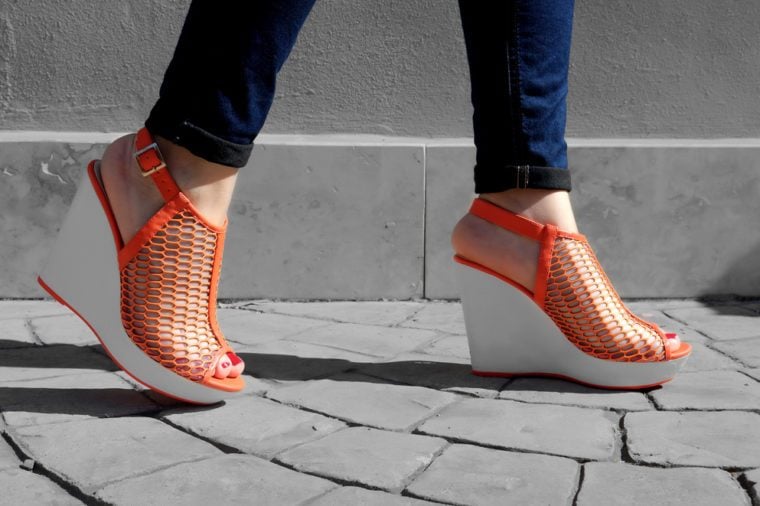
lady wearing wedges FERESHTEH/SHUTTERSTOCK
Summer footwear is among the worst for your feet, but many people are still likely to sacrifice comfort for fashion. Silvia Arroyo, DPM, a Kaiser Permanente foot and ankle specialist in Baldwin Park, California, says it's important to know which is the better of two evils. When choosing between loafers and flats, go with a rubber-soled loafer, which can provide some arch support and better absorb shock from walking on the pavement, preventing bunions, blisters, and pain. If you're torn between heels and wedges, go with a wider wedge that's not too tall; this reduces the pressure high heels put on your feet, back, and joints. And between slip on slides and flip-flops, flip-flops with a thicker sole are the winner—they'll provide a bit of arch support, which the flat-as-a-pancake varieties won't. Find out how to prevent and fix common summer foot problems.

Suds up your hands


Hygiene. Cleaning Hands. Washing hands with soapR.CLASSEN/SHUTTERSTOCK
There's nothing worse than getting that dreaded "changing of the seasons" cold. Protect yourself by being especially vigilant about hand washing—scrub all surfaces with soap and water for at least 20 seconds after using the bathroom or being in public. Avoid touching your face, especially the nose and mouth, as this provides germs easy access to get inside. And if using hand sanitizer, Charles "Dr. Germ" Gerba, MD, microbiologist and professor at the University of Arizona, recommends Zoono, which he says promises to protect your hands from germs for up to 24 hours after applying.

Power up your yoga routine

Scent sticks aromatic in jar on tableKITTIBOWORNPHATNON/SHUTTERSTOCK
Boost your yoga time by incorporating a mind-clearing scent into the mix. "A blend of sandalwood, frankincense, and myrrh are used by yoga practitioners for quieting the mind chatter," says Ginger Ravenscroft, aromatherapy expert and founder of Ravenscroft Escentials in Grants Pass, Oregon. Yoga has been shown to reduce blood pressure and protect against or ease chronic pain, and a new study by University of Connecticut researchers suggests it may help post-menopausal women maintain muscle mass.

Evaluate your pantry

Olives and olive oil on a wooden table, bread with olives and olive oilINNA TARAN/SHUTTERSTOCK
Many pantry staples such as bread, cereal, and condiments like ketchup and pre-made salad dressing can hide a sneaky load of sodium, sugar, and preservatives. Choose condiments that say "low sodium" or "no sugar added" on the label (even Heinz now offers a "no sugar added" ketchup) and make your own dressing by whisking together olive oil, vinegar, or lemon juice, and a pinch of salt and pepper. Opt for a cleaner loaf of bread, such as those made by La Brea Bakery, which also offers gluten-free varieties. Don't miss these 15 other ways to spring clean your diet.

Refresh your workout

Runner trying running shoes getting ready for run. Healthy lifestyle.NTYS20/SHUTTERSTOCK
If you lapsed into your exercise routine for a few months, be sure to ease back in to avoid injuring yourself. "Warm up and don't go fast and furious right out of the gate," says Jimmy McKay, PT, DPT, a physical therapist and director of communications at FOX Rehabilitation in Cherry Hill, New Jersey. "Take the first ten minutes of any workout to start moderately, which means you're able to have a conversation while moving. Then, ramp up to a point where your breathing is laboured and you can only get a few words out before taking another breath." Check out these 10 easy tricks to shed pounds this summer.

Set a social media curfew

Cropped image of Man lying on bed and pulling to the phone which lying near the bed. Focus on phoneDEAN DROBOT/SHUTTERSTOCK
Social platforms can be a great way to keep up with friends, family, and the news—but too much digital time can take a toll on your mental and emotional health, says Steve Levine, MD, a board-certified psychiatrist and founder and CEO of Actify Neurotherapies. That's especially true during the summer, when you may start to feel envious of all those gorgeous vacation pics. In fact, one study by University of Pittsburgh School of Medicine found that the more time young adults spent on social media, the more likely they were to be depressed. Cut back by packing your schedule with social engagements, exercise time, and picking up a new hobby.

Take a look at your personal care routine

Woman looking in the bathroom mirror and using dental floss to clean her teeth. Reflection of woman in bathroom mirror while brushing teeth in morning.JACOB LUND/SHUTTERSTOCK
Winter makes it easy to lapse on everyday habits such as daily flossing or sun protection. Reset your routine by applying sunscreen of at least SPF 30 every morning and committing to brushing twice a day and flossing once daily.

Embrace plant-based eating

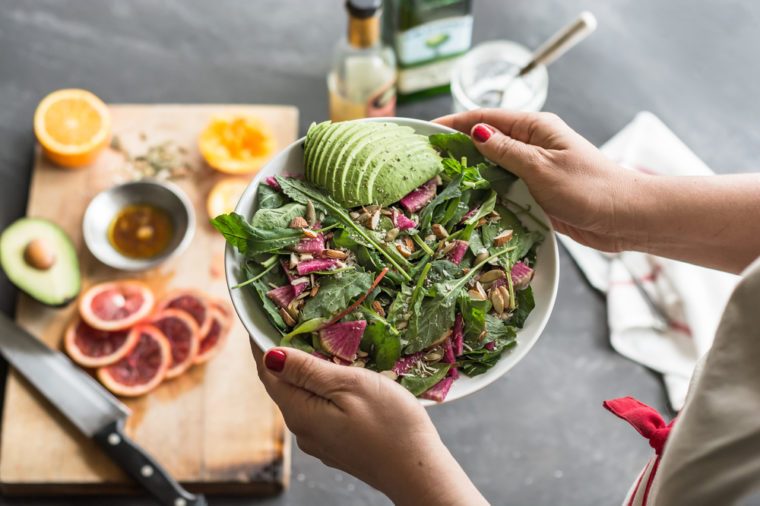
Fresh mixed green saladERIC URQUHART/SHUTTERSTOCK
You don't need to become a strict vegan to reap the benefits of a plant-based diet, which include getting your necessary doses of vital nutrients such as fibre, protein, vitamins, minerals, and inflammation-blasting antioxidants. Designate one day a week as "meat-free" and pile your plate with fruits and veggies, whole grains, and plant-based proteins such as beans or legumes, tempeh, or meat-alternatives that actually taste and feel like meat, such as Field Roast. Summer is the perfect time to serve up a giant salad for dinner or experiment with cold, vegetable soups like gazpacho.

Sip skinnier cocktails

Fresh Strawberry cocktailGEPHOTO/SHUTTERSTOCK
Alcohol is a sneaky source of calories, but there are ways to more smartly imbibe. Try these beach bod-friendly drinks, or choose a cleaner wine such as FitVine, which makes vino that's lower in calories, carbs, and sulfites than other varieties.

Tackle your chores

Housewife's Hand Cleaning Sofa With Vacuum Cleaner At HomeANDREY_POPOV/SHUTTERSTOCK
Spring cleaning your home will help you spring clean your body. That's because toxins can hide everywhere from your dust to your kitchen cabinets. Look out for these 11 ways your house may be making you sick.

Try a meal delivery service

Woman holding parcel box near door, closeupAFRICA STUDIO/SHUTTERSTOCK
Meal prep is a good way to ensure you stay on a healthy track all week. But let's face it—it's hard to find the time to do so every single week, especially when your active kids are out of school for the summer or you're packing for vacation. Don't be afraid to try out a meal delivery service for those hectic times. Look for ones that cater to your dietary needs; Green Chef offers vegan, Paleo, Keto, and gluten-free options, while Sun Basket has heart-healthy and diabetes-friendly choices (plus plenty of others!).

Clean up your commute

Close-up Of A Man Hands Holding Steering Wheel While Driving CarANDREY_POPOV/SHUTTERSTOCK
If you feel like your commute is putting a damper on your health, freshen it up. Take a different route to work—even if it's slightly longer, the extra time will allow you to reflect or listen to a podcast as you prepare to face the day. If possible, consider biking to work or the train station. Don't worry about getting too sweaty; there are now electric bikes, like Trek Bikes, that allows you to peddle faster and with less effort to cover more ground.

Snack smarter

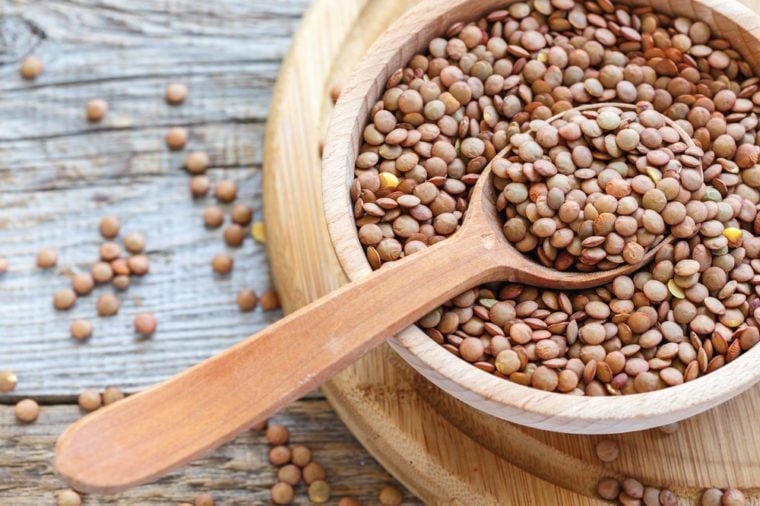
Lentils and spoon in a wooden bowl close up on an old table.SMARINA/SHUTTERSTOCK
Ditch the potato chips and reach for ones made of lentils or quinoa, which deliver a bit of protein, fibre, and other nutrients while you snack (Simply 7 or Lundberg Family Farms are clean options.) If popcorn is your thing, try a lighter variety such as Angie's Boomchickapop—the sea salt flavour is just 35 calories a cup! Don't miss these other ways to spring clean your body before the summer.

Click Here For More Articles

Don't forget to opt-in to Our Healthy Living Society and get 3 free gifts while receiving the latest information on health, well-being and groundbreaking news about natural nutrition.

Healthy gut, healthy heart?


Image: © KarpenkovDenis/Getty Images
If you ask most medical experts about the hottest trends in health research, chances are they'll mention the microbiome. The term refers to the trillions of microbes living inside our bodies, known as the human microbiota. The vast majority of these bacteria, viruses, and fungi dwell deep within our intestines. These microbes help with digestion, make certain nutrients, and release substances that have wide-ranging health effects.
"There's a complex interplay between the microbes in our intestines and most of the systems in our bodies, including the vascular, nervous, endocrine, and immune systems. All of these relationships are highly relevant to cardiovascular health," says Dr. JoAnn Manson, professor of medicine at Harvard Medical School and chief of preventive medicine at Brigham and Women's Hospital.

Microbe metabolites

As you'd expect, what we eat plays a major role in the composition of our gut microbiota. And we're learning more about how the substances gut microbes churn out (called metabolites) influence our risk for many chronic diseases, including diabetes, heart disease, and cancer, says Dr. Manson.
One of the best known of these gut metabolites, called trimethylamine (TMA), forms when gut microbes feed on choline, a nutrient found in red meat, fish, poultry, and eggs. In the liver, TMA is converted to trimethylamine N-oxide (TMAO), a substance strongly connected with the formation of artery-clogging plaque (atherosclerosis). A 2017 study in the Journal of the American Heart Association by Dr. Manson and colleagues pooled findings from 19 studies looking at the connection between blood levels of TMAO and serious cardiovascular problems (mainly heart attacks and strokes).
People with the highest TMAO levels were 62% more likely to experience serious cardiovascular problems than those with the lowest levels. High TMAO levels were also linked to higher mortality rates. What's more, these connections were independent of traditional risk factors, such as diabetes, obesity, and kidney problems. This suggests that TMAO could be a novel target for prevention or treatment strategies.
Gut microbe metabolites are also known to influence other factors closely tied to cardiovascular risks, such as diabetes, high blood pressure, and inflammation. For example, a high-fibre diet may encourage the growth of gut bacteria that produce short-chain fatty acids. A gut that includes these microbes seems to help people with diabetes better control their blood sugar and body weight, according to one small study.

Blood pressure benefits

Short-chain fatty acids, which are made almost exclusively in the gut, also seem to play a role in regulating blood pressure. Studies in mice suggest that these fats are involved in blood vessel dilation and constriction. This observation is one of many described in a report on the role of microbiota in blood pressure regulation published in the September 2017 issue of Hypertension.
Other preliminary findings discussed in the review include
  • how high dietary sodium levels change the composition of gut microbe populations
  • how toxins released from microbes may influence kidney function, a key player in blood pressure regulation
  • how microbes that live in the mouth interact with nitrates from vegetables to form nitrites and nitric oxide, which relaxes blood vessels.
But the entire field is still in its infancy, says Dr. Manson. Growing evidence suggests that dietary habits that are helpful for preventing heart disease (such as avoiding red meat, limiting salt, and eating lots of fibre-rich vegetables and whole grains) also have favourable effects on the gut microbiome.

The promise of probiotics

What about probiotics, the live bacteria found in yoghurt, other fermented foods, and dietary supplements? While they potentially improve diarrhoea caused by infections or antibiotics and may ease symptoms of irritable bowel syndrome, so far the evidence of any definitive benefit is limited.
It's far too early to recommend probiotics routinely for preventing or treating most chronic diseases, says Dr. Manson. "We often don't know if the probiotics are actually getting to the right place and changing microbial flora," she says. But it shouldn't be too long before we understand more about this topic. Dr. Manson and other investigators around the country have received major grants from the National Institutes of Health to study metabolomics for predicting the risk of cardiovascular disease and diabetes. Metabolomics — the study of metabolites — has been called a missing link that connects the microbiome with human health.


Click Here For More Articles

Don't forget to opt-in to Our Healthy Living Society and get 3 free gifts while receiving the latest information on health, well-being and groundbreaking news about natural nutrition.

Monday, 21 May 2018

Don’t just count calories—where they come from makes a big difference!

Don’t just count calories—where they come from makes a big difference image
The idea that all calories are equal is at the heart of many weight-loss programmes—but it's a myth. There's an enormous difference between a calorie in a sugar-sweetened drink and in starch, for instance, researchers have confirmed this week.
The calories in the drink could make you obese and increase your risk of type 2 diabetes and heart disease while those in starch won't have any harmful effect at all, say researchers from the University of California at Davis.
The drinks can still cause health problems even if you don't put on any weight drinking them, and new warnings on bottles and cans are fully justified.
In fact, sugar-sweetened drinks are "uniquely harmful to human health" and aren't merely the source of yet another calorie, the 22 nutritionists concluded, echoing the verdict of a US court that had been asked to adjudicate on the warning labels.
The researchers also confirmed that eating polyunsaturated fats, such as vegetable oils, seeds and nuts, lowers the risk of diseases such as heart problems. "We all agree that a healthy diet consisting of minimally-processed whole grains, fruit, vegetables and healthy fats promotes health compared with the refined typical Western diet," said lead researcher Kimber Stanhope.
The idea that all calories are equal was aggressively promoted by the sugar industry in the 1950s when its products were coming under close scrutiny. They won the day, and attention eventually focused on high-fat foods instead.
https://www.wddty.com/news/2018/05/Click Here For More Articles

Don't forget to opt-in to Our Healthy Living Society and get 3 free gifts while receiving the latest information on health, well-being and groundbreaking news about natural nutrition.

Bilirubin, the natural antioxidant!

Proper levels of bilirubin have beneficial effects by acting as an antioxidant. Photo: CollectedProper levels of bilirubin have beneficial effects by acting as an antioxidant. Photo: Collected
Higher levels of bilirubin -- a natural antioxidant -- within the normal range in our blood may lower the rates of cardiovascular diseases (CVD) like heart failure, heart attack and stroke, finds a study.


A yellow-orange pigment, formed after the breakdown of red blood cells and removed from our body by the liver, bilirubin has beneficial effects by acting as an antioxidant or interfering with atherosclerosis -- a condition where fats, cholesterol etc. accumulate on artery walls.
It acts as a natural defence and can prevent or limit the damage that occurs to blood vessels in individuals with arterial blockage.
According to the researchers from the Emory University in US' Georgia state, the antioxidant effect of bilirubin could be harnessed to reduce the chronic disease morbidity risk.
Higher levels of bilirubin meant a lower risk of heart attack, heart failure or stroke, the study found.
People with the highest level of bilirubin had 76 percent of the risk for combined cardiovascular events as the group with the lowest level, with effects seen even in people without liver disease.
The study, published in the Journal of the American Heart Association, was conducted on 100,000 participants, with an average of 48 years, including people with and without HIV infections
The study specifically looks at people living with HIV and at an anti-HIV drug, atazanavir, known to elevate bilirubin, but did not see an independent effect of atazanavir on cardiovascular risk.
Even if well-controlled by antiretroviral drugs, HIV infection has negative effects on cardiovascular health, said lead author Vincent Marconi, a professor at the varsity.
http://en.prothomalo.com/lifestyle/news/175939/Bilirubin-the-natural-antioxidant

Click Here For More Articles

Don't forget to opt-in to Our Healthy Living Society and get 3 free gifts while receiving the latest information on health, well-being and groundbreaking news about natural nutrition.

Here's the skinny on Orangetheory Fitness!

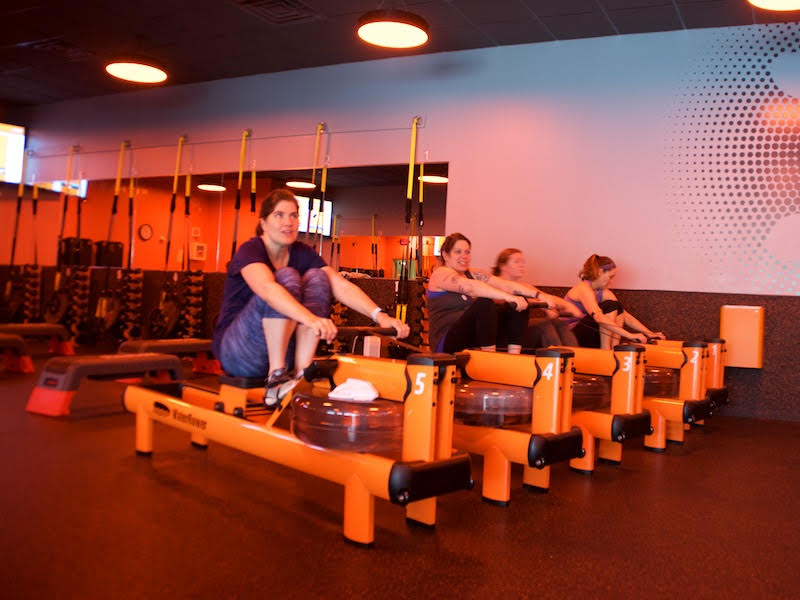
Orangetheory Fitness combines running, rowing, strength training and occasional fist bumping.
Like many people, I fall in and out of exercise mode. About a lifetime ago, I was a certified Spinning instructor. I did a triathlon. I yoga'd. And then I quit exercising for a decade.
Last year, I bought a treadmill and plunked it in my basement (actually I prefer to call it my "garden-level workout facility"). I felt comfortable with this arrangement because only the centipedes witnessed my struggle to get back in shape. Also, exercising in private meant I could wear whatever I wanted – including torn leprechaun boxer shorts and ridiculously mismatched socks.
I walked and ran diligently on my basement treadmill for months – and got a lot of laundry done in the process – but when I heard about something called Orangetheory Fitness, I was instantly intrigued. Intimidated, but intrigued. I also thought it might make an interesting story, so I signed up for one class.
I admit it seemed gimmicky at first, but I went anyway. After all, I once got a colonic just to write an article about it, so I could definitely make it through one trendy fitness class.
Orangetheory Fitness is a franchise based in Boca Raton, Fla. Kevin Scharnek opened the first Orangetheory in Wisconsin four years ago in Brookfield. Today there is also a Shorewood location, where I took eight classes, and soon locations will open in the Third Ward and Wauwatosa.
"In short, Orangetheory provides personal training in a group environment," says Scharnek. "The workouts are always different, always engaging and always challenging for athletes of all levels."
The Orangetheory concept is based on combining fitness, science and technology. The classes are led by a coach and comprise a combination of rowing, strength training and treadmills. Participants wear heart rate monitors and attempt to get their heart rates into the "Orange Zone" for at least 12 minutes during the 60-minute workout. If this is achieved, Orangetheory says the body will experience something called "afterburn," which increases the metabolism for 24 to 36 hours.
"Orangetheory is about fitness and science, but mostly, it's about relationships both between coaches and class members and our relationship with ourselves," says studio manager Kristi Glocke.
When I showed up for my first class I was prepared to feel like an outsider in my black leggings, black concert T-shirt and bare arms adorned with tattoos. (Maybe the headline of my story should be "Goth goes to the gym.")
I also wondered if I would be the oldest person there – I'm in my mid-40s – and most likely the only one who had eaten a pizza at midnight the evening before.
However, I was immediately relieved to see that the other class members ranged in age, style and body type. The majority of them were women, and everyone seemed pretty laid back. Plus, I instantly got a warm feeling from the staff. Every Orangetheory employee I came in contact with, from the counter folks to the coaches, had a genuineness about them that comforted me.
Maybe I wasn't going to be the first person to get blacklisted after one Orangetheory class for utter spazziness.
The class coach, Kristin Johnson, introduced herself and helped get me accustomed to every aspect of the hour-long workout. During most classes, half of the group starts on treadmills and the other half on rowers and strength training equipment, and then the groups switch. Basically, the coaches simultaneously and miraculously teach two different classes at once.
At first, I didn't understand a lot of what she was saying – Orangetheory has a language of its own – but I just copied other people (and after three classes I was conversational if not fluent in OT).
"My goal is to build relationships with each and every class member and provide a challenging, but at the same time a very supportive, environment," says Johnson.
I particularly appreciated how Johnson is indeed extremely supportive without being annoyingly perky. She is very present while teaching and acknowledged times when I really was pushing myself. The sincerity and timing of her encouragement really inspired me to keep going, to try harder.
The coaches also make suggestions how to modify the workout to make it easier or more difficult, depending on personal skill level. (And whether or not you ate a pizza at midnight the night before.)
Participants monitor their progress via heart rate monitors synched to a large screen. I thought this aspect of the workout would bother me because everyone could see my name and how hard – or not so hard – I was working out. However, because the vibe of the classes genuinely feels more supportive than competitive, it didn't embarrass me in the least. (And I admit to comparing my numbers to other people's, but only for a second here or there and was able to swiftly move beyond such pettiness.)
The Shorewood Orangetheory hosts about 70 classes a week, and every single workout – 364 days a year – is different (it's closed on Christmas). Interestingly, the daily workouts are exactly the same at every franchise in the world. This means that if you take the class in Milwaukee, your sister in Atlanta or friend in Portland is taking the exact same class.
The cost of Orangethoery classes range, depending on if a participant chooses to buy the classes individually or as a membership package and how often they attend. Classes average between $8-$12 per class depending on the membership level whereas class packs will average $18 per session. There is a 30-day cancellation policy and anyone interested can try a class for free.
Overall, I found the Orangetheory workouts extremely challenging, but also kinda – dare I say it? – fun. After every class, I was definitely sore the next day, but I felt really good at the same time because I was accomplishing something positive for myself.
I'm not exactly drinking the Orange Kool-Aid, but I plan to keep going. I didn't think I would feel comfortable working out beyond my basement, but I do. I thought I would find Orangetheory just a trendy gimmick – and maybe it is – but it works for me.
I think that's the best it gets for those of us who don't love fitness but don't want to look or feel like a person who doesn't love fitness either. We find what works and we show up, over and over and over again, and on days we don't feel like it, we remind ourselves to, like it says on the orange wall, "Think about why you started."

Click Here For More Articles

Don't forget to opt-in to Our Healthy Living Society and get 3 free gifts while receiving the latest information on health, well-being and groundbreaking news about natural nutrition.

Friday, 18 May 2018

NEVER DO PUSHUPS LIKE THIS | 10 Most Common Mistakes


Click Here For More Articles


Don't forget to opt-in to Our Healthy Living Society and get 3 free gifts while receiving the latest information on health, well-being and groundbreaking news about natural nutrition.