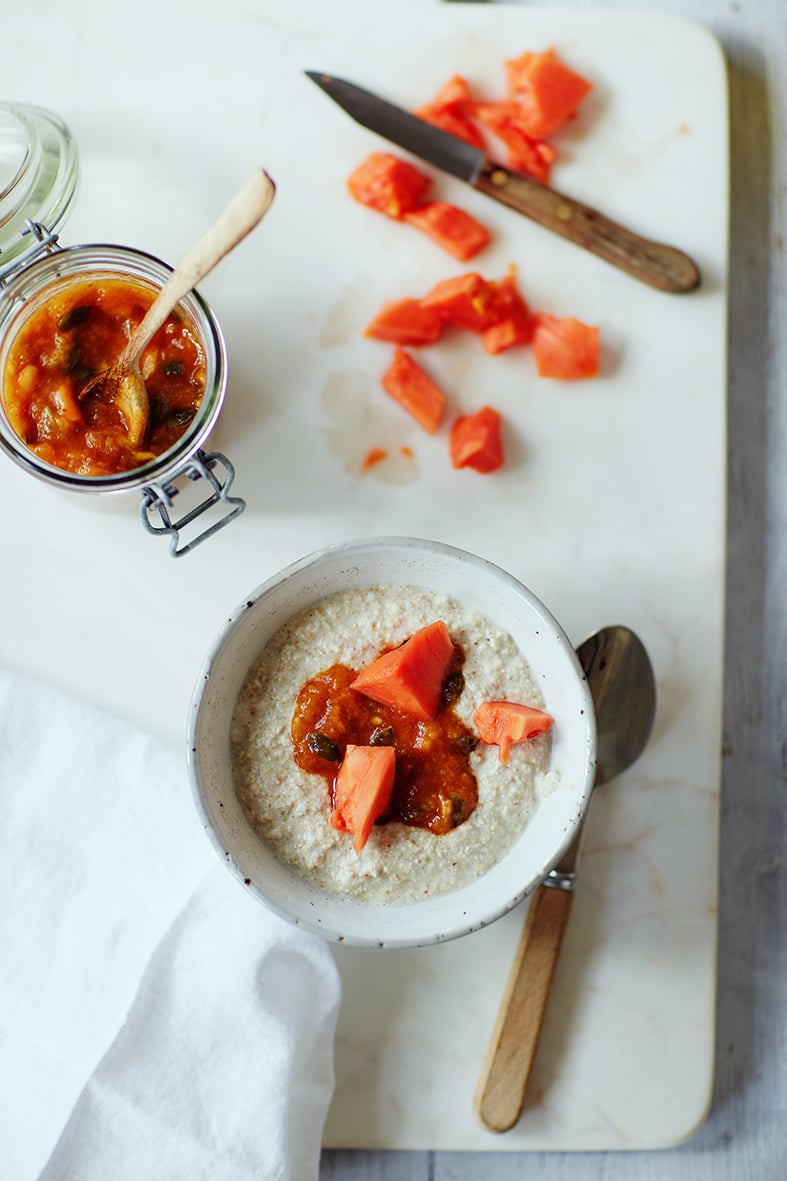
Papaya is a special fruit
– loved by some, an acquired taste for others.
The lucky ones can pick it from their gardens, but the majority will probably need to venture to a supermarket to get one. We live in the age when the first thing we need to check is the origin of the food we’re about to buy. Sad but true. Papayas are naturally very healthy, but the goodness is somewhat diminished when we buy from an unsustainable source. It’s even worse if we go for the genetically modified fruits, which have had their genetic-code changed in order to resist viruses and increase production numbers. Genetically modified papayas have been approved for consumption both in the USA and Canada, while Europe is still resisting. If you want to avoid a snack full of potentially harmful substances, pay attention to the fruit’s label. Most genetically modified papayas come from Hawaii, where they have been grown since 1999.

When you get hold of a good-old-non-GMO papaya, these are the benefits you can look forward to:
1. Papaya is a good source of vitamins and minerals.
It contains vitamin A, vitamin C and vitamin B complex, and is rich in magnesium, copper and potassium. Vitamin A and vitamin C are both powerful antioxidants, so the ‘fruit of the angels’, as Christopher Columbus called it, destroys free radicals in the body – the villains behind many chronic diseases, including cancer and cardiovascular disease. You can read more about antioxidants and their role in our body in my previous article about these 9 amazing antioxidants for great health.
2. Papaya lowers your cholesterol levels.
It inhibits the harmful LDL cholesterol and prevents it from sticking onto the walls of blood vessels and causing problems in the circulation that can lead to a heart attack or stroke. If you suffer from high cholesterol levels, you can find here 10 simple and effective ways to lower cholesterol naturally.
3. Papaya is rich in fiber and promotes digestive health.
To keep your bowels happy and moving, your diet should be rich in dietary fiber. Papaya has loads, and one serving can satisfy a quarter of your daily recommended intake. Also, if you just underwent antibiotic treatment, make sure to eat some papaya, or drink papaya juice. The fruit does a good job at re-balancing your intestinal flora after an aggressive course of antibiotics. Papaya is one of the ingredients in this delicious digestive detox smoothie as the digestive enzyme papain helps to ease the burden of the complicated process of digestion.
4. Papaya contains unique enzymes that can lower inflammation.
Chymopapin and papain are papaya’s protein-digesting enzymes that can help lower the body’s inflammatory reaction. Since rheumatoid arthritis is an auto-immune disease that presents as an inflammation of the joints, eating papaya can assist with symptom control. Also, eating vitamin C rich papaya can reduce your chances of developing arthritis in the first place. You can find here more foods that help to reduce inflammation in the body.
5. Papaya boosts your immune system.
Vitamin A and vitamin C, which both generously occur in papaya flesh, strengthen your immune system and help fight infections. You can also learn about other 10 quick life hacks to improve your immunity.
6. Papaya has anti-cancer activity.
The antioxidants in papaya are praised for effectively fighting cancer. Papaya reduces a man’s risk of developing prostate cancer, especially if combined with drinking green tea. It might also prevent cancer in your blood and bone marrow, by stopping the cells from oxidizing. The wonderful papaya enzyme, papain, can help relief side effects of chemotherapy. It is being studied for its beneficial effects on swallowing and mouth sores. This fruit has been shown to be a good protective measurement against colon cancer. With a little help from papaya, colon cells don’t suffer DNA damage that could lead to new, potentially dangerous, growths. I recommend you to read my other posts about this subject: The best cooking methods for cancer prevention and the top 5 cancer causing foods to avoid.
7. Papaya can protect your eyesight.
Beta carotene and vitamin A help to protect sight and can improve vision. A study published in Archives of Ophthalmology has pointed out that eating fruit can do a lot to prevent age-related macular degeneration. Three helpings of fruit a day are recommended, and papaya is a very suitable candidate due to its nutritional content. You can get more information in my post about the top 9 secrets to prevent eyesight problems and improve your vision naturally.
8. Papaya helps to prevent blood clots.
Blood clots can narrow or block blood vessels, or sometimes they can dislodge and travel to the heart or brain and cause a heart attack or stroke. Papaya contains fibrin, which prevents blood coagulation and enables the blood to flow freely. So make sure to put a slice of papaya in your morning cereal or in your breakfast shake. Of course, to prevent blood clotting, you will need to remove other risk factors from your life too, starting with smoking. You can also eat turmeric every day to prevent blood clots – read more about it here. There are also a number of herbs that can improve your blood circulation and you can find more information about them in my e-book The Herbal Remedies Guide.
9. Eating papaya reduces your stress levels. A papaya snack not only fills your stomach, but it can also make you feel more relaxed. Vitamin C regulates the flow of stress hormones and can bring you back to your balanced zen-state. Well, it might take a bit more than just a slice of papaya for that, but it’s a good start. If you want to reduce your stress, read my post about 14 effective natural remedies for stress and anxiety.
10. It is good for your skin.
Have you noticed that papaya often features in cosmetic products,such as creams, face masks and hair softeners? It is renowned for its beauty benefits. Papaya’s vitamin E and beta carotene prevent cell damage through their antioxidant activity. Vitamin E also supports collagen production, which is the substance that keeps your skin firm and elastic, in other words young-looking. Beta carotene further smoothies away the wrinkles and makes you look fresh. Try a face mask and expose your skin to the magic ingredients.
The benefits of papaya seeds and how to use them
When you cut a papaya, the insides look very inviting, and the seeds can easily be scooped out. They are high in fat and protein, and contain plenty of calcium, magnesium and phosphorus. Think twice before you discard them, as they can be used in many ways. According to Maryland Medical Center and Asian Pacific Journal of Tropical medicine, papaya seeds are great for getting rid of intestinal parasites. A recent study showed that people who were taking honey together with papaya seeds, cleared their stool of parasites in 23 out of 30 cases. Papaya seeds are also credited with anti-cancerous properties. The seeds have a distinct, slightly peppery flavor. They can be eaten as they are, or you can sprinkle them over salads and other dishes, just as you would use pumpkin seeds. Those who are not afraid of the spicy flavor, can try them in a smoothie.
Enjoy your next papaya experience!
http://www.healthyandnaturalworld.com/reasons-to-eat-papaya/