Showing posts with label cancer. Show all posts

Tuesday, 2 July 2019

Baking Soda – The Enemy of The Pharmaceutical Industry!

Cancer is an acid i.e. lactic acid, which is a waste product of the fungus and mould and lives in an environment that has a low concentration of oxygen. If we bring a high concentration of oxygen molecules to the cancer cells they will die.
Everyone will strongly resist the idea that something so simple and cheap such as sodium bicarbonate (Baking Soda) can surpass the most expensive pharmaceutical drugs. There is compelling evidence that is supporting the multitude of theories that suggest that sodium bicarbonate should be the primary and universal medicament for a wide range of diseases, including diabetes and cancer, also all therapists and medical professionals should include it in the medical treatment.
bakingsoda
When it comes to sodium bicarbonate, we must say that it is well understood and studied substance. It is widely used for decades, even by oncologists. Sodium bicarbonate must be administered routinely in order to prevent from damaging the kidneys from the toxicity of chemotherapy and radiation.
Worldwide millions of people consume bicarbonate ions with the drinking water with the purpose of prevention or treating of clinical acidosis as well as in a variety of other conditions, in clinics, hospitals or emergency departments. Every day that helps to be saved countless lives. When baking soda is combined with other basic and strong natural substances like iodine and magnesium chloride, we have a trinity of medical superheroes.
The problem with acidic pH value ​​(relative lack of bicarbonate ions) is a big part of the human physiology. Every biochemical reaction is sensitive to the pH value because the enzymes are very sensitive to this balance.
Our diet plays a very important role in maintaining a favourable pH value in our body. A large part of the modern diet results in a decrease in the pH value towards acidic. The imbalance of the pH value interferes with cellular activities and functions, especially if the pH value continues to decrease.
Very high acidic pH value leads to deterioration of the cells, which at the end leads to serious health problems, such as gastritis, diabetes, osteoporosis, cardiovascular diseases and cancer. The fact that biological life has a better function in a non-acidic (alkaline) environment clearly supports the usefulness of baking soda.
bakingsoda2-432x264
Sodium bicarbonate is responsible for the transport of oxygen: dilates the blood vessels and release the oxygen into the tissue, which means that increases the pH value. Elevated pH value of the urine prevents crystallization in the urinary tract.
It has been established that uric acid cause kidney stones, diabetes, heart attack, heart disease, heart attack and gouty. Also, it creates a toxic compound named alloxan which is produced by fungi, that means that also creates diabetes and cancer cells.
Oral administration of baking soda prevents arthritis, infection, gout, fever, and assist the activity of the pancreas for which is known that produces the most of the bicarbonate and also is responsible for the production of insulin.
Regardless of whether someone has neurological or cardiac diseases, cancer or severe form of the flu if sodium bicarbonate is taken together with magnesium chloride is provided with the safest and the best treatment. Their common action effectively removes all the toxins and acids from all tissues, cells and organs.

Lemon and Baking Soda Miraculous Healing Combination

Miraculous healing combinationEFFECT 10,000 times stronger than chemotherapy!
Baking soda - lemon


Why don't we know about this miraculous cure and why we still didn’t try it? Because there are organizations that have an interest, common people not to know about the miraculous healing properties of the combination of lemon and baking soda (sodium bicarbonate). Therefore, from now onwards, spread the words about this simple but amazing cure to the people that really need it!
Many people die while this secret is jealously kept in order to not affect the interests of the large corporations.
Lemon has strong anti-carcinogenic properties that are already been proven. Beside that, it has many other useful features. It has a very strong effect on cysts and tumours. This fruit can cure cancer, it is tested on all types of cancer, and if baking soda is added it will have an even bigger effect because it will normalize the pH value in the body.
Also, lemons have very strong anti-microbial effect with a very wide range of activity against fungal and bacterial infections. Lemons are effective against worms and internal parasites. It is a powerful antidepressant and regulates the blood pressure, reduces stress and calms the nerves.
An interesting fact is the source of this information: It comes from one of the largest producers of medications, which says that after 20 laboratory tests conducted since 1970 until now it has been proved that: Lemon destroys carcinogenic cells in 12 forms of cancer.
Also, it prevents the spread of carcinogenic cells and has 10,000 times stronger effect than medications such as chemotherapy, anticancer drugs and narcotic products.
Even more interesting is the fact that this kind of treatment with baking soda and lemon only destroys the carcinogenic cells and does not affect the healthy cells.
The preparation is very simple, mix 2 dL (approx. 6.8 oz) lemon juice with one teaspoon of baking soda in a cup, optional you can dilute the mixture with a distilled water and the miraculous drink is ready!
Consume the drink before breakfast on an empty stomach for better effect. To have an even bigger effect it is best to use organic lemon. Organic lemon is 100 times more efficient than lemon grown with artificial fertilizers and sprayed with chemicals.
Also, an interesting fact is that this remedy does not have the terrible side effects that are typical for chemotherapy.
Is your body alkaline? Test: How to Test Your pH Level (Saliva and; Urine)
References:
bestherbalhealth.com
Alloxan - www.ncbi.nlm.nih.gov
Instituto de Ciencias de la Salud, L. L. C. 819 N. Charles Street Baltimore, MD 1201 
canceractive.com
humansarefree.com

Wednesday, 20 January 2016

This herb could cure 5 different types of Cancer


BREAKING-STUDY-THIS-GREEN-HERB-COULD-BE-THE-CURE-TO-5-DIFFERENT-TYPES-OF-CANCER-INCLUDING-OVARIAN-LIVER-LUNG-AND-MELANOMA
Native to Africa and Asia, moringa tree is abundant in nutrients. In fact, each part of the tree, including the pods, fruits, flowers, roots and bark are edible and people in South India commonly use them as part of their delicacies because of their distinctive taste.
The edible oil produced by Moringa seeds, also referred to as Ben oil, is much like olive oil in terms of nutrition. With unlimited shelf life, this oil is abundant in antioxidants.


THE HEALTH BENEFITS OF MORINGA
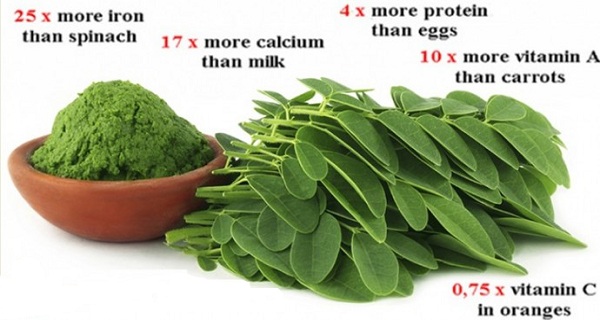
Moreover, moringa leaves contain three times more iron than spinach, and four times more vitamin A per gram than carrots, which makes it a rich source of beta-carotene.
In addition, Moringa supplements, made from moringa leaves and pods, have proved far better than most vitamins and supplements available today due to the fact that they don’t contain any synthetic components.
Moringa has twice more protein per gram than yoghurt.
Moringa has three times more potassium per gram than bananas.
Moringa has seven times more vitamin C per gram than oranges.
Moringa has four times more calcium per gram than milk, which makes it great for bone health.
 
THE ANTI-CANCER PROPERTIES OF MORINGA
Moringa packs a number of potent anti-cancer ingredients including kaempferol, rhamnetin and isoquercetin. According to research, Moringa has positive anti-cancer results against ovarian, liver, lung cancer, and melanoma.
Although more research is needed in this field, Moringa  so far represents a potential cure to these types of cancer.

ADDITIONAL HEALTH BENFITS OF MORINGA
  • It’s a water purifier.
  • It packs 9 essential amino acids, 27 vitamins, 46 antioxidants, and many minerals.
  • It improves lactation.
  • It’s beneficial for treatment of various chronic illnesses, bites, wounds, and other ailments.
  • It’s an effective skin cleanser, also great for healthy, vibrant hair.
  • It gives no side effects, which makes it safe for children too.


http://www.healthyfoodteam.com


Click Here For More Articles

Thursday, 19 March 2015

Olive Oil Compound ‘Kills Cancer Cells in 30 Minutes’

It’s the kind of discovery that should be making international headlines: a team of researchers has discovered that a simple compound in olive oil is capable of killing cancer cells ‘within 30 minutes to an hour’ — and it doesn’t harm healthy cells.
olive_oil_spoon_pour_735_250
And before some of you consider this to be ‘phony science,’ you should checkout the actual study published by the the School of Environmental and Biological Sciences at Rutgers in the journal Molecular and Cellular Oncology. Even the researchers and scientists behind the study are impressed and blown away by the results, which has serious implications when it comes to how the public may soon view simple nutrition as a weapon against cancer.

The compound utilized, known as oleocanthal, has previously been identified as an ‘anti-cancer’ agent, but the true extent of its ability to fight carcinogenic cells was virtually unknown. Several studies exist on the compound’s other benefits as well, which include its potential effects on:
  • Inflammation
  • Tumor suppression
  • Osteoporosis
  • Age-related disease
  • Alzheimer’s disease
And many others that you were most likely also unaware of. But this new study, which has found that this compound can truly kill cancer cells in under an hour, may be the most amazing. Specifically, the study found that cancer cells exposed to oleocanthal were dying in a matter of 30-60 minutes — all thanks to the way in which the olive oil compound uses the enzymes of the cancer cells. Puncturing the insides of the cancer cells where the cell ‘waste’ is held, the compound wreaks absolute havoc on the infected cells.
Professor Paul Breslin, the coauthor of the study, explains that the process causes “Hell to break loose” within the carcinogenic cell interior.
Once again, we see the true power of healing foods like olive oil proven via powerful research that has true applications for you and your family’s health (and the entire health of the planet).
There is no doubt that mega pharmaceutical companies will certainly swoop in to patent pharmaceutical technologies that attempt to mimic the behaviors of  oleocanthal (with a list of side effects and reduced effectiveness), but the key here is that for virtually nothing you can start to experience the benefits of this key olive oil compound yourself: just pick up some high quality organic olive oil at your local grocery store.
This article was written by Anthony Gucciardi

Tuesday, 28 October 2014

High-Protein Diets In Midlife Linked To High Risk Of Premature Death, Study Says

HIGH PROTEIN DIET

Atkins aficionados, Paleo enthusiasts, and Dukan devotees, you may want to reconsider what's on your plate. While high-protein diets have been all the rage over the last few years for their waist-whittling goodness, a new study says they could be as bad for you as smoking.

Researchers at the University of Southern California's Davis School of Gerontology believe high protein consumption in middle age could mean a much higher risk of death from cancer and diabetes. The study followed 6,318 adults from a variety of ethnicities and health histories over two decades and found those with diets high in animal proteins were just as likely to die as a result of cancer as a regular smoker, according to a university release. Other researchers, however, say that there simply hasn't been enough research to draw this conclusion.

The study also pinpointed animal proteins as the culprit behind the 74 percent increased risk of death within the study period, from any cause. Even when controlling the amount of fats and carbs in the participants' diets, high animal protein diets had negative health effects. Animal proteins include things like meats, cheeses, milk, and eggs. Diets high in plant-based proteins, however, including foods like beans, lentils, and nuts, did not have the same dangerous effects as animal proteins.

"The research shows that a low-protein diet in middle age is useful for preventing cancer and overall mortality, through a process that involves regulating IGF-I and possibly insulin levels," study co-author Eileen Crimmins said in a release.

The good news? High-protein diets could actually be beneficial after age 65, when IGF-I levels naturally level off. People over 65 with a high- or moderate-protein diet are actually less susceptible to chronic disease.

The CDC recommends 46 grams of protein per day for adult women and 56 grams for men. But with popular fad diets, many people are consuming considerably more. "The majority of Americans are eating about twice as much proteins as they should, and it seems that the best change would be to lower the daily intake of all proteins but especially animal-derived proteins," co-author Valter Longo said in a release.

High-protein diets have been hotly debated for years. Health experts stress that these diets are deceivingly high in saturated fats and low in fiber, which could mean high cholesterol and an increased risk of heart disease or stroke. In 2010, a study found a direct link between high-protein diets and high rates of lung and colorectal cancers in men. The health of Atkins Diet founder, Robert Atkins, was also cause for concern, as he had a history of heart attack and heart failure before his 2003 death.

The USC study defined low-protein diets as those where 10 percent of calories or less come from protein, and high-protein diets as those with 20 percent or more calories coming from protein. But even moderate-protein diets in middle age were shown to result in three times the likelihood of death from cancer.

Researchers believe the protein-controlled growth hormone, IGF-I, could be to blame. Even slight increases in IGF-I have been shown to significantly increase the chances of cancer-related death.

"Almost everyone is going to have a cancer cell or pre-cancer cell in them at some point. The question is: does it progress?" Longo asked. "Turns out one of the major factors in determining if it does is protein intake.
http://www.huffingtonpost.com/2014/03/04/high-protein-diet-risks_n_4896501.html

Tuesday, 14 October 2014

9 Reasons to Think Twice Before Taking Antibiotics Ever Again

http://themindunleashed.org/wp-content/uploads/2014/10/9-reasons.jpg

Paul Fassa, Natural Society | A study published by Mayo Clinic found that almost 70% of Americans are on at least one pharmaceutical; antibiotics top the list, followed by antidepressants, and opioid pain killers. This is a problem in of itself, as it the United States has transformed into a pill-popping, medication-dependent nation. What’s worse is that antibiotics in particular are doled out in copious, unnecessary amounts, so much so that bacteria are developing major resistance to this conventional treatment. This is now a potential danger of antibiotics, and a serious grand-scale side effect of antibiotic use.
Even the WHO is calling this resistance a global health crisis, and the Centers for Disease Control and Prevention says that the age of antibiotics must come to an end. That is the first (1) reason to avoid antibiotic use.
While antibiotics have helped greatly with modern medicine, it seems that we need to start looking for alternative solutions. Here are 8 more compelling reasons to just say no to antibiotics.

8 MORE REASONS TO REFUSE ANTIBIOTICS

1. IBD (INFLAMMATORY BOWEL DISEASE)

According to a 2011 article published by Fox News, a scientific link has been established between antibiotic use and colitis. Antibiotic-induced colitis is caused by the toxins exuded by the bacteriumClostridium difficile following antibiotic treatment. While the majority of other intestinal bacteria have been killed off by the antibiotic, Clostridium difficile grows rapidly and releases toxins that damage the intestinal wall.
In fact, Crohn’s disease which has spread epidemic like over the past 50 years parallels the introduction and widespread use of antibiotics. There’s even a theory postulated by a couple of German scientists that Crohn’s is actually the mutation created from normal gut bacteria by antibiotics.

2. LIVER DAMAGE

A new study published in the journal Gastroenterology found that although all types of prescription drugs are linked to liver damage, antibiotics in particular were the worst offenders – the drug class most likely to cause serious harm to the liver. John Gever, Senior Editor of MedPage Today reported one researcher stating, “antimicrobial agents are the most common cause of drug-induced liver failure, with most cases ending in death or transplant.”

3. CANCER LINK

One study found that those who had taken 6 or more antibiotic prescriptions had a 1.5 times greater risk of less common cancers compared with study participants who had the lowest antibiotic exposure.
Taking some antibiotics may slightly increase the risk of developing colon cancer, one study suggests. After controlling for known risk factors for colorectal cancer including obesity, diabetes, smoking, and alcohol, researchers found that those who had taken antibiotics, including penicillins, quinolones, and metronidazole, were 8 to 11% more likely to develop colorectal cancer.
A 2008 study by the International Journal of Cancer reported, “those who had taken 2-5 antibiotic prescriptions had a 27% increase in cancers compared to those who took none. Those who took six or more prescriptions had a 37% increase in cancers.”

4. AIDS

Perhaps it is no accident that the same group with the highest incidence of so called AIDS (view the video: “House of Numbers”) is also the group that uses more antibiotics than any other group in America.

5. CHRONIC FATIGUE SYNDROME

Repeated antibiotic use has been linked with chronic viral illness, including chronic fatigue syndrome (CFS). About.com reports:
“Prominent ME/CFS researcher Kenny de Meirleir announced that he and his Belgian research team have uncovered a major cause of ME/CFS and a major underlying mechanism of the condition. According to Dr. de Meirleir, a major cause of ME/CFS is a high level of the chemical hydrogen sulfide (H2S). H2S can build up after antibiotic use, salmonella infection, or too much mercury exposure.”

6. POSSIBLE FUNGAL AND BACTERIAL OVERGROWTHS

Antibiotic use triggers the release of endotoxins (toxins produced within the body), which suppress the immune system. They destroy the “communication pathways between cells of the immune system”
Homestead.com explains, “Without these pathways in operation, immune cells don’t attack. Healthy gut flora supports immune function but does not replace those communication pathways.”

7. WEAKENED IMMUNE SYSTEM

Peter J. D’Adamo, ND, is  a naturopathic physician and author known for his pioneering research on the interconnectedness of human blood groups, lifestyle, nutrition, and health.
Dr. D’Adamo explained:
 “When you allow your body to go to war on its own terms, without antibiotic intervention, it develops not only a memory of specific antibodies to the current infection and any similar to it, but also the ability to fight more effectively the next time it is challenged or attacked.”
In other words, the “invaders” are getting stronger, but our immune systems are less prepared to handle them. Antibiotics suppress the immune system, as opposed to merely assisting it to do its job more effectively. In fact, antibiotics “cut off immune response.” They can reduce the level of infection, but they cannot eradicate it; only the immune system can do that.

8. MITOCHONDRIAL DAMAGE

Pharmaceuticals are a major cause of mitochondrial damage, including statin medications, analgesics such as acetaminophen, antibiotics, and many others. Structurally, mitochondria are essentially modified bacteria. Antibiotics indiscriminately target bacteria. Mitochondrial disorders commonly manifest as neurological disorders, for example, neuropathy.

Research Reveals How Sugar CAUSES Cancer

By Sayer Ji

Research Reveals How Sugar CAUSES Cancer

The average American consumes their body weight annually in this cancer-causing substance, and yet hospitals freely feed it to their cancer patients, oblivious to the harm it does.
Hospitals feed cancer patients sugar and high carbohydrate diets for a reason: they are abysmally ignorant of the role of nutrition in health and disease -- hence their burgeoning growth and packed rooms.
Even though the science itself shows – at least since the mid-20's with Otto Warburg's cancer hypothesis -- that tumors prefer to utilize sugar fermentation to produce energy rather than the much more efficient oxygen-based phosphorylation* – hospitals have actually invited corporations like McDonald's to move into their facilities  to 'enhance' their patient's gustatory experience, presumably to provide comfort and take the edge off of the painful surgery, radiation and chemo treatments erroneously proffered to them as the only reasonable 'standard of care.'
But the times are changing, with new research requiring these medical institutions to reform their dietary strategies, at least if they wish to claim that their interventions are in fact 'evidence-based' ...

New Study Reveals Sugar Doesn't Just Feed But Causes Cancer

A groundbreaking new study, uncovered by one of our volunteer researchers at Greenmedinfo – Jonathan Middleton – is the first of its kind to identify sugar, not only as  fuel source for an already existing cancer, but as a primary driver in oncogenesis – i.e. the initiation of cancerous characteristics (phenotype) within previously healthy cells.
Published in the Journal of Cliinical Investigation and titled, Increased sugar uptake promotes oncogenesis via EPAC/RAP1 and O-GlcNAc pathways, researchers addressed a common perception (or misperception) in the cancer research community regarding sugar's relationship to cancer: namely, "increased glycolysis [sugar based metabolis] is frequently viewed as a consequence of oncogenic events that drive malignant cell growth and survival."
Contrary to this conventional view, the new study "provide[s] evidence that increased glycolytic activation itself can be an oncogenic event..."  That is to say, the activation of sugar-based metabolism in a cell – driven by both the presence of increased quantities of glucose and the increase glucose receptors on the cell membrane surface (i.e. "overexpression of a glucose transporter") – drives cancer initiation.
Moreover, the study found that "Conversely, forced reduction of glucose uptake by breast cancer cells led to phenotypic reversion." In other words, interfering with sugar availability and uptake to the cell causes the cancer cell to REVERSE towards its pre-cancer structure-function (phenotype).

What Are The Implications of This Research to the Diet?

What this new research indicates is that sugar – of which Americans consume an astounding 160 lbs annually (imagine: 31 five-pound bags for each of us!) – is one of the primary causes of metabolic cell changes in the body consistent with the initiation and promotion of cancer. And, the research indicates that removing it from the diet, and depriving the cells of it, could REVERSE cancer

Hidden Sugar, Crouching Cancer

It has been estimated by the USDA that the average American consumes 200 lbs of grain products annually. Why is this relevant to the question of sugar in the diet? Because refined carbohydrate products – e.g. crackers, bread, pasta, cereal – are actually 'hidden' forms of sugar. In fact, puffed rice causes your blood to become sweeter (and presumably feeds more cancer cells sugar) than white sugar, as it is higher on the glycemic index. Adding the two figures together – annual per capita consumption of sugar and grain-based products – we get a jaw dropping 360 lbs of sugar (both overt (table sugar/high fructose corn syrup) and covert (grain carbs) annually – all of which may contribute to promoting the ideal metabolic situation of cancer cells: aerobic glycolysis.
This is one reason why the ketogenic diet – that is, a fat- and protein-focused diet devoid of carbohydrate, both in simple (sugar) and complex (grain product) form – has been found so useful in the most aggressive of cancers: including brain cancer. Once you 'pull the rug out' from under the sugar/carb-craving cancer cells, they are forced to either undergo programmed cell death (apoptosis) or re-differentiate back into non-cancerous phenotypes.

If It's So Bad For Us, Why Do We Eat So Much?

One of the primary reasons why we eat sugar and carbohydrate rich diets is because they are addictive. Within minutes of consuming sugar/carbs our body goes through a neuroendocrine roller coaster. Your brain can not survive very long without glucose, the fundamental energy unit of the cell, and will 'freak out' if deprived of a steady stream of this 'nutrient' within only 2-3 minutes. The endocrine system, on the other hand, perceives the danger of high sugar – namely, glycation associated damage to protein and lipid structures within the cells of our body; think: blood caramelizing, getting sticky, and gumming up the finely tuned works – and will release hormones such as insulin, adrenaline and cortisol, in order to try to get the elevated sugar in the blood and tissues under control. Insulin forces the sugar into storage within the cell, both as glycogen and as fat, but often does its job too well, causing available glucose levels in the brain to be depleted – setting off a vicious cycle of 'emergency signals' telling the body to release more cortisol and adrenaline to increase the levels of glucose in the blood. This, of course, will result in additional insulin production and release, causing the same cycle to be repeated over and over again.
This seemingly endless vicious cycle is responsible for the insatiable cravings a high carb/sugar diet generates – not to mention the fructose-based hedonic effects generated in the brain that modulate both opioid and dopamine receptors in the nervous system (not unlike alcohol), and the pharmacologically active peptides in many gluten-containing grains, which also drive addictive behaviors and an almost psychotic fixation on getting carbs at each meal.
No wonder we have an epidemic of cancer in a world where the Westernized diet prevails. Certainly, we do not mean to indicate that a sugar/carb-rich diet is the only cause of cancer. There are many other factors that contribute to cancer initiation and promotion, such as:
  • Chemical exposure
  • Radiation exposure
  • Chronic stress that suppresses the immune system
  • Vaccines containing hidden retroviruses and cancer causing viruses
  • Natural infection with bacteria and viruses that are cancer causing
  • Lack of sleep
  • Insufficient nutrients (lack of methyl donors such as B12, folate, and B6 will prevent the body from 'turning off' (methylating) cancer-promoting genes
Even though cancer is a complex, multi-factorial phenomena, with variables we can not always control, one thing we can do is control what goes into our mouth. Sugar, for instance, does not belong there if we truly want to prevent and/or treat cancer.  And don't forget, carbohydrates that don't taste sweet on the front end – bread, crackers, cereal – certainly convert to sugar in the body within minutes post-consumption.
In a nutshell, if you are concerned about cancer, have cancer, or would like to prevent recurrence, removing sugar and excess carbohydrates is a must. Not only is it common sense, but it is now validated by experimental research.
 *Note: Cancer cells prefer to ferment sugar as a form of energy even when there is sufficient oxygen available to the cells to do so; hence Warburg's description of cancer metabolism as 'aerobic glycolysis' or the so-called 'Warburg effect'.

Monday, 15 September 2014

Why High-Protein Diets May Be Linked To Cancer Risk

Alice G. Walton
Despite the popularity of protein-rich diets like Atkins and Paleo, new research suggests that it may be wise to steer the opposite way, especially when it comes to cancer risk. In the new study, middle-aged people who ate protein-heavy diets had a markedly increased risk of dying from cancer compared to their low-protein counterparts. But, as always, there are caveats: Protein from animal sources – meat and dairy – was what largely produced the risk, whereas plant-derived proteins seemed to be “safer.” And the rules seem to be different for people over the age of 65.
So what are we to do?
“There’s a misconception that because we all eat, understanding nutrition is simple,” said study author Valter Longo, director of theLongevity Institute at the University of Southern California. “But the question is not whether a certain diet allows you to do well for three days, but can it help you survive to be 100?”
Steak
In the new study, the team followed over 6,300 adults over the age of 50, to see what effect high-, medium-, and low-protein diets had on longevity. A high-protein diet was defined as 20% of one’s daily calories coming from protein, a moderate-protein diet is made up of 10-19% calories from protein, and a low-protein diet consists of less than 10% protein. People in the study ate, on average, 16% protein, with two-thirds coming from animal sources – pretty typical of an American diet, the authors say.
The findings were intriguing: People from ages 50-65 who ate high-protein diets were four times more likely to die of cancer – this is in the ballpark of smoking risk, say the authors – compared to people who ate low-protein diets. Even those who ate moderate-protein diets were three times as likely to die from cancer. And people who ate high-protein diets were 75% more likely to die from any cause, including three times as likely to die from diabetes. The team calculated that reducing protein intake from moderate to low would reduce the risk of death by 21%.
Interestingly, when the source of the protein was taken into consideration, things changed a bit. When animal-derived sources taken out of the mix, the mortality risk was significantly reduced: In other words, plant-based protein did not seem to present the same kind of problem as protein from animal sources.
“The majority of Americans are eating about twice as much proteins as they should, and it seems that the best change would be to lower the daily intake of all proteins but especially animal-derived proteins,” said Longo. “But don’t get extreme in cutting out protein; you can go from protected to malnourished very quickly.”
Why the protein-cancer connection? Protein intake influences the levels of the growth hormone IGF-I, which not only affects the growth of healthy cells, but can also encourage cancer cell growth. In fact, in the current study, the team found that for every 10 ng/ml increase in IGF-I, people who ate high-protein diets were 9% more likely to die from cancer than those on a low-protein diet.
This growth hormone mechanism seems to be the reason that calorie-restricted diets have been shown to increase longevity in certain species, including, possibly, humans.
But again, there are more caveats. IGF-I levels decline over the years, especially after age 65, which is part of the reason that people lose muscle tone and become frailer with age. And the current study bore this out, too: When the team looked at people above the age of 65, people who ate more protein had a reduced risk of death.
The protein issue is therefore complex, and will require some more research.
But the recommendations arising from the current study, says Longo, line up with those from the World Health Organization and the Institute of Medicine. Longo tells me that generally people should stick with “plant based proteins and/or stay as close as possible to 0.36 grams of protein per pound of body weight per day. This is about 54 grams of protein per day for a 150-pound person… However, going lower than that can be detrimental.”
So, it may be wise to watch your protein intake, at least in middle age. And at any age, eating a plant-based diet is probably smart, as study after study shows the near-indisputable health benefits of doing so.
“Almost everyone is going to have a cancer cell or pre-cancer cell in them at some point,” says Longo. “The question is: Does it progress? Turns out one of the major factors in determining if it does is protein intake.”
http://www.forbes.com/sites/alicegwalton/2014/03/04/the-protein-puzzle-meat-and-dairy-may-significantly-increase-cancer-risk/

Omega-3 Fatty Acids In Fish Might Protect The Aging Brain

Alice G Walton
Adding to our diets more of the omega-3 fatty acids in fish (or fish oil supplements) has been controversial  in recent years, but a newstudy adds some interesting neurological evidence to their effectiveness. Cognitive decline is a too-common side effect of aging, and Alzheimer’s disease is unnervingly prevalent. So it’s nice to feel like we’re doing something to reduce the odds. Eating fatty fish regularly might be one way to this, and so might taking fish oil supplements – but it depends on the kind.
A team at the University of South Dakota looked at 1,100 postmenopausal women who’d taken part in the Women’s Health Initiative Memory Study. The levels of the fatty acids DHA and EPA, found in fatty fish, were measured in their red blood cells, and the volume in different areas of their brains, as well as total brain volume, were measured via MRI at the end of the eight-year study.
Salmon
It turned out that women who had the highest levels of the fatty acids in their red blood cells had greater overall brain volume than women with the lowest. They also had greater volume in the hippocampus – about 2.7% greater – than women with the lowest levels. The hippocampus is the brain area that’s thought to be the seat of learning and memory, and the one most affected by Alzheimer’s disease.
What are these fats doing in the brain? “It’s likely that fish oil doesn’t increase brain volume, but prevents brain shrinkage with age,” study author James Pottala tells me. “This could be due to several mechanisms. The brain metabolizes DHA into several anti-inflammatory compounds that could help prevent cell death. Also, DHA is concentrated in nerve cell membranes, so if a sufficient amount is not available in the blood for replenishment then it makes sense that the amount of brain matter would decline over time.”
He adds that consuming higher levels of omega-3 fatty acids could be the equivalent to two extra years of brain health. For people who don’t consume much fish, supplements might be necessary. This is because the body is very poor at converting the omega-3s found in plant sources (namely ALA) to the heart- and brain-healthy DHA and EPA. Therefore, says Pottala says, “most organizations recommend that all adults should eat non-fried ‘oily’ fish (e.g. salmon, herring, tuna, sardines, etc.) at least twice a week,” or taking high-quality fish oil supplements.
Unfortunately, not all supplements are created equal, as another study has just reported (see below for a nice graphic of the top 10 brands in both quality and value). On average, supplements contained about 14% less DHA than indicated on the label, but there was huge variation across brands. 
While there’s no failsafe way to protect the brain against disease, eating a healthy diet full of antioxidants and essential nutrients, is one way to help reduce the risk. Always talk to your doctor about adding supplements to your diet.

Sunday, 24 August 2014

Fasting for three days can regenerate entire immune system, study finds

A person's entire immune system can be rejuvenated by fasting for as little as three days as it triggers the body to start producing new white blood cells, a study suggests.

Fasting for as little as three days can regenerate the entire immune system, even in the elderly, scientists have found in a breakthrough described as "remarkable".
Although fasting diets have been criticised by nutritionists for being unhealthy, new research suggests starving the body kick-starts stem cells into producing new white blood cells, which fight off infection.
Scientists at the University of Southern California say the discovery could be particularly beneficial for people suffering from damaged immune systems, such as cancer patients on chemotherapy.
It could also help the elderly whose immune system becomes less effective as they age, making it harder for them to fight off even common diseases.
The researchers say fasting "flips a regenerative switch" which prompts stem cells to create brand new white blood cells, essentially regenerating the entire immune system.
"It gives the 'OK' for stem cells to go ahead and begin proliferating and rebuild the entire system," said Prof Valter Longo, Professor of Gerontology and the Biological Sciences at the University of California.
"And the good news is that the body got rid of the parts of the system that might be damaged or old, the inefficient parts, during the fasting.
“Now, if you start with a system heavily damaged by chemotherapy or ageing, fasting cycles can generate, literally, a new immune system."

Prolonged fasting forces the body to use stores of glucose and fat but also breaks down a significant portion of white blood cells.
During each cycle of fasting, this depletion of white blood cells induces changes that trigger stem cell-based regeneration of new immune system cells.
In trials humans were asked to regularly fast for between two and four days over a six-month period.
Scientists found that prolonged fasting also reduced the enzyme PKA, which is linked to ageing and a hormone which increases cancer risk and tumour growth.
"We could not predict that prolonged fasting would have such a remarkable effect in promoting stem cell-based regeneration of the hematopoietic system," added Prof Longo.
"When you starve, the system tries to save energy, and one of the things it can do to save energy is to recycle a lot of the immune cells that are not needed, especially those that may be damaged," Dr Longo said.
"What we started noticing in both our human work and animal work is that the white blood cell count goes down with prolonged fasting. Then when you re-feed, the blood cells come back. So we started thinking, well, where does it come from?"
Fasting for 72 hours also protected cancer patients against the toxic impact of chemotherapy.
"While chemotherapy saves lives, it causes significant collateral damage to the immune system. The results of this study suggest that fasting may mitigate some of the harmful effects of chemotherapy," said co-author Tanya Dorff, assistant professor of clinical medicine at the USC Norris Comprehensive Cancer Center and Hospital.
"More clinical studies are needed, and any such dietary intervention should be undertaken only under the guidance of a physician.”
"We are investigating the possibility that these effects are applicable to many different systems and organs, not just the immune system," added Prof Longo.
However, some British experts were sceptical of the research.
Dr Graham Rook, emeritus professor of immunology at University College London, said the study sounded "improbable".
Chris Mason, Professor of Regenerative Medicine at UCL, said: “There is some interesting data here. It sees that fasting reduces the number and size of cells and then re-feeding at 72 hours saw a rebound.
“That could be potentially useful because that is not such a long time that it would be terribly harmful to someone with cancer.
“But I think the most sensible way forward would be to synthesize this effect with drugs. I am not sure fasting is the best idea. People are better eating on a regular basis.”
Dr Longo added: “There is no evidence at all that fasting would be dangerous while there is strong evidence that it is beneficial.
“I have received emails from hundreds of cancer patients who have combined chemo with fasting, many with the assistance of the oncologists.
“Thus far the great majority have reported doing very well and only a few have reported some side effects including fainting and a temporary increase in liver markers. Clearly we need to finish the clinical trials, but it looks very promising.”

'Fast diet' promises weight loss, but is this fad unhealthy?


Thursday, 21 August 2014

Why not even exercise will undo the harm of sitting all day—and what you can do about it

By Hannah Newman


A large review recently published in The Journal of the National Cancer Institute confirms what we’ve been hearing for years: Sitting can be fatal.
+

It’s been linked to cancer, diabetes, and cardiovascular disease. In this latest meta-analysis, Daniela Schmid and Michael F. Leitzmann of the University of Regensburg in Germany analyzed 43 observational studies, amounting to more than 4 million people’s answers to questions about their sitting behavior and cancer incidences. The researchers examined close to 70,000 cancer cases and found that sitting is associated with a 24% increased risk of colon cancer, a 32% increased risk of endometrial cancer, and a 21% increased risk of lung cancer.
+

The really bad news: You can’t exercise away the habit’s harmful effects. “Adjustment for physical activity did not affect the positive association between sedentary behavior and cancer,” the authors write. Even participants who achieved the daily recommended levels of physical activity were at the same risk as those who spent their day sitting. “[The results] indicate that the increased risk of cancer seen in individuals with prolonged time spent sedentary is not explained by the mere absence of physical activity in those persons,” the researchers say.
+

Some reasons why

Sitting and obesity

1. Sitting –> weight gain –> elevated risk

When you’re sedentary, you burn only about a calorie a minute. Being overweight or obese is a known risk factor for many common chronic diseases. The cancer risk, the authors note, comes about because obesity can promote insulin resistance and bodily inflammation, two of the many things known to increase increase the risk of cancer for people of above-average body weight. Interestingly, the authors also mention the link between obesity and vitamin D deficiency, which has been associated with an elevated risk of colon cancer.
+

2. Sitting –> inactive muscles –> harmful biological signaling

Sitting also means your large postural support muscles, such as the quadriceps and glutes, aren’t doing anything. When active, these muscles produce a suite of beneficial molecules. “Skeletal muscles have an electrical activity in them when they’re working which is like the light switch that turns on all these healthy things in the muscles,” explained Marc Hamilton, director of the Inactivity Physiology Program at the Pennington Biomedical Research Center in Louisiana in a recent webinar. When you sit, you turn these light switches off.
+

A widely studied casualty of this blackout is lipoprotein lipase, an enzyme that Hamilton likens to “a vacuum cleaner for fats in the blood stream.” When Hamilton forced rats to remain inactive for 24 hours, their lipoprotein lipase activity became virtually nonexistent (a 90%-95% reduction). This led to a more than 75% drop in the ability of their muscles to remove noxious fats from the bloodstream, as well as a significant decrease in “good” cholesterol (HDL cholesterol).
+

Hamilton has also found that just a few hours of sitting suppresses a gene that helps keep your cardiovascular system healthy by controlling inflammation and blood clotting. The worrying thing, Hamilton told Runner’s World, is after a day of sitting, exercise doesn’t seem to turn the gene back on. As the article pithily put it: “Sitting is the new smoking—even for runners.”