Showing posts with label moringa. Show all posts

Wednesday, 20 January 2016

This herb could cure 5 different types of Cancer


BREAKING-STUDY-THIS-GREEN-HERB-COULD-BE-THE-CURE-TO-5-DIFFERENT-TYPES-OF-CANCER-INCLUDING-OVARIAN-LIVER-LUNG-AND-MELANOMA
Native to Africa and Asia, moringa tree is abundant in nutrients. In fact, each part of the tree, including the pods, fruits, flowers, roots and bark are edible and people in South India commonly use them as part of their delicacies because of their distinctive taste.
The edible oil produced by Moringa seeds, also referred to as Ben oil, is much like olive oil in terms of nutrition. With unlimited shelf life, this oil is abundant in antioxidants.


THE HEALTH BENEFITS OF MORINGA
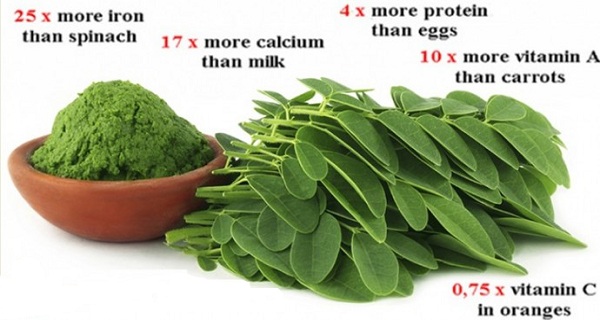
Moreover, moringa leaves contain three times more iron than spinach, and four times more vitamin A per gram than carrots, which makes it a rich source of beta-carotene.
In addition, Moringa supplements, made from moringa leaves and pods, have proved far better than most vitamins and supplements available today due to the fact that they don’t contain any synthetic components.
Moringa has twice more protein per gram than yoghurt.
Moringa has three times more potassium per gram than bananas.
Moringa has seven times more vitamin C per gram than oranges.
Moringa has four times more calcium per gram than milk, which makes it great for bone health.
 
THE ANTI-CANCER PROPERTIES OF MORINGA
Moringa packs a number of potent anti-cancer ingredients including kaempferol, rhamnetin and isoquercetin. According to research, Moringa has positive anti-cancer results against ovarian, liver, lung cancer, and melanoma.
Although more research is needed in this field, Moringa  so far represents a potential cure to these types of cancer.

ADDITIONAL HEALTH BENFITS OF MORINGA
  • It’s a water purifier.
  • It packs 9 essential amino acids, 27 vitamins, 46 antioxidants, and many minerals.
  • It improves lactation.
  • It’s beneficial for treatment of various chronic illnesses, bites, wounds, and other ailments.
  • It’s an effective skin cleanser, also great for healthy, vibrant hair.
  • It gives no side effects, which makes it safe for children too.


http://www.healthyfoodteam.com


Click Here For More Articles

Sunday, 31 May 2015

Properties of moringa: how to use for perfect skin

moringa soap and flyer4

Ready? Go! The race for the perfect body for summer has officially begun after the Easter holidays. In a previous post I had already talked about the care of your legs for summer (you can read the full article here), and today I want to talk to you about the properties of a plant that can help us in this goal. The properties of moringa are many, here’s how to use it in order to have a perfect skin!
To get healthy-looking skin and bright hydration and exfoliation are fundamental. Well, the properties of moringa help us to make our skin shine. How many of you knew this “miracle tree”? I have learned through Ankh Rah, a site that allows you to purchase many natural products made from moringa, you can find from moringa oil to food and supplements up to the moringa soap. This is a brand new world for me.

moringa soap and flyer
This Coco Moringa soap uses a traditional recipe of Moringa and virgin coconut oil, all the ingredients are natural and leave your skin fresh and fragrant. Its properties are many: it is nutritious, antioxidant and has a purifying effect. An effective product for the daily care of our skin. What do you think about it? 
Have you already tried it?

Friday, 24 April 2015

Be Fit London: Women's Health and Fitness Festival


Be Fit London: Women's Health and Fitness Festival
An event you wont want to miss!!! Get whipped into shape, Learn from Wellness experts, Free Nutritional checks, Live Cookery Demos, Restorative sports Massages and a Performance and Recovery Clinic.
We would like to give our viewers the chance to attend this prestigious event for women the likes of which have never been done before, bringing together high quality brands that together provide the overall health and fitness solution you need.

The UK's best-kept fitness secret

Imagine beating the stop watch. Imagine strength. Imagine confidence. Imagine 15,000 women becoming healthier and happier. Join the movement.

The likes of Ankh Rah Ltd high quality food supplements will be teaming up with Ex-Olympic champion and Ambassador for the 2012 Olympic Games Tessa Sanderson and Kangen Water in London.
For 3 days, Be:Fit London will take over the Business Design Centre to equip women with the tools to ditch the fads and become healthier and happier.
With everything you need to upgrade your lifestyle under one roof, you’ll train with the UK’s master trainers in our bespoke fitness studio, learn from the capital’s top wellness, nutrition and health experts, meet Olympic icons and discover over 125 hand picked premium brands.
Ankh Rah Ltd will exhibiting at the event, providing you with the Highest Quality in natural nutritional supplements including our Award Winning High Quality Moringa Leaf Powder, amongst others.
Ankh Rah Ltd will be attending this event. We will be at the Tessa Sanderson Foundation Stand #F91, come and meet us.
The UK's only Health and Fitness Festival for Women, tickets starting at £18 for more info or to book your ticket now visit;

Wednesday, 22 April 2015

Could a ‘miracle tree’ help end malnutrition in Zambia?


Moringa plant
Moringa plants are packed with vitamins, amino acids, anti-oxidants and protein.

If you take the only road north out of Zambia's capital Lusaka, the bustle of roadside street vendors and concrete bungalows soon fades into fields of turmeric-tinted bush land, dotted with the occasional mango tree.
You'd be forgiven for missing the tiny dirt track that veers off toward the Westgate farm in Chisamba, which grows moringa trees.
There is a humble entrance to a modest plot of land, but it houses a project with huge aspirations.
"I personally think we can wipe out malnutrition in Zambia, in sub-Saharan Africa or anywhere else there is a malnutrition problem" says Steven Putter, executive director of the Imagine Rural Development Initiative, which has been planting moringa trees on this site in Zambia since 2013.
Moringa has been used for centuries in Asia and Africa for its nutritional and healing properties, and in some reports it has been called "the miracle tree" and "the tree of life".

Farmers in Zambia loading potatoes onto a trailer
Malnutrition in Zambia is a significant problem

Food revolution

The delicate green leaves and even the stems of the plant are packed with vitamins, amino acids, anti-oxidants and protein.
A chance encounter introduced Steven Putter to this unassuming shrub.
He was so taken with the plant's potential that he abandoned a corporate career in South Africa and moved to Zambia.
He set up the project with $250,000 (£170,000) of his own funds, the help of another investor, and a $20,000 grant from the Swedish government.
Putter's vision is that moringa supplements could have a revolutionary effect in Zambia where malnutrition rates are some of the worst in Africa.
About 45% of Zambian children under five suffer stunted growth, says the World Health Organisation - while the children's charity, Unicef, says that thousands of children and women suffer from one or more forms of malnutrition, including low birth weight, stunting and multiple vitamin deficiencies.
"I'm not saying moringa is the only plant, but it's a very good cornerstone to relieve the problems that exist now very quickly," says Steven.
"Imagine if we plant 1,000 trees at every school in Zambia, that would probably cost $2m - but what is that in relation to being able to wipe out malnutrition?"

Lewis Chikoti
Moringa worker Lewis Chikoti has been feeding his family with the plant, and says he has noticed a difference in their health.

Lewis Chikoti's bright green overall stands out amongst the knee-high moringa crops he is tending.
He joined the project as farm foreman a year ago and now feeds his children moringa three times a day: "I have noticed such a difference in my family's health; my children are not getting sick and they just seem brighter with more energy."
Most people in Zambia rely on a diet of the maize staple nshima, which is easy to grow, but is of little nutritional value.
"With maize you get food security, which is good because it puts a plate of food in front of people" says Steven Putter, "but the language needs to change from 'food security' to 'nutritional security'."

line

Moringa oleifera


Moringa dried seeds
The dried seeds can be ground and sprinkled over food

Moringa oil was prized in perfume manufacture in ancient Egypt, classical Greece, and the Roman empire.
The drought-resistant plant is also known by names including drumstick tree and horseradish tree.
It's mainly grown for its leaves in Africa, and its pods in Asia.
As a food, its leaves are rich in protein, minerals and vitamins A, B and C.
Moringa flowers are used to make tea, and mature seeds can be roasted and eaten like peanuts.
The plant can also be used as an animal feed.
Moringa seed powder has anti-bacterial properties, and can be used during water purification.

line

Zambia is also in desperate need of re-structuring its economy and lessening its dependence on mining.
Copper mining accounts for over 70% of the country's exports, yet the lion's share of copper mines are foreign-owned and many ordinary Zambians say they are not feeling the benefits.
Austen Ngwani looks after the moringa project's accounts. Originally from the Copperbelt region in the north west of the country, he feels strongly about Zambia's need to diversify.
"For Zambia to develop, we need to move away from the mining sector and look to agriculture," he says. "It's the only way we can export on our own terms and strengthen our currency."

Moringa farm employees
The project employs 60 people from the local community

Future potential

Steven Putter says the numbers add up for Zambia.
Moringa plants can be harvested once a month. In peak season and on the Zambian site, it requires no fertilizer. This contributes to a very high return on investment, says Mr Putter, of up to "$60,000 per hectare per year".
So far the project employs 60 people tending six million plants. Moringa products such as tea or food supplements are sold within Zambia and exported to other countries including the UK, China and South Africa.
Putter wants to expand the site to include animal husbandry and aquaponics - using water tanks to grow plants and breed fish. He says the results of giving moringa to animals is quite amazing. "We have seen a 15% increase in cattle growth since introducing moringa to their diet".
Steven Putter's path to the "miracle tree" has not been without obstacles. It has cost him a marriage and many thousands of dead trees along the way. But his resolve is fixed.
"Moringa can become a multi-million dollar export product for Zambia: it's got the water, it's got the soil, it's got the people - why not? Now it's just will and perseverance."

Wednesday, 15 April 2015

The Health Food Industry’s Best Kept Secret

We all want to feel better and live longer.
 Yet we’re constantly being bombarded with conflicting advice regarding health and wellbeing. Fad diets often lead to weight gain. Contemporary therapies may prove costly, inefficient and inconvenient. Isn’t it about time we all hit upon something simple, affordable and effective? Isn’t it about time we found something nourishing and natural, something which actually works?

The answer may be found in Moringa – a lush, flowering plant that has been celebrated in the subtropics for centuries. According to Indian charity Trees for Life, Moringa contains 7 times as much vitamin C as the same quantity of oranges, 4 times more vitamin A than carrots, 4 times as much calcium as is found in fresh cows’ milk and 3 times more potassium than is present in ripe bananas.  In 2008, Moringa was even named “plant of the year” by the National Institutes of Health (NIH), who advocate its use as a nutritional supplement.

But if it’s so good, why haven’t you heard of it? 

Why you’re unlikely to have heard of Moringa
The reason you may not have heard of Moringa is directly related to its health-giving properties. As well as a high nutritional content, Moringa boasts an impressive array of medicinal uses, and has been used in the subcontinent to treat a variety of common ailments for centuries. In Pakistan and India, for example, Moringa is considered one of the richest sources of nutrients often lacking in people’s diets, and consuming it is said to support heart health, weight management and promote better eyesight.

Since the sale of vitamins and supplements is big business, when it comes to Moringa, the pharmaceutical industry is keen to keep you in the dark. Yet for twenty years, The World Health Organisation (WHO) has been studying and using Moringa as low cost health enhancer in some of the world’s poorest nations, and in April 2008, according to its own website, WHO staged an event in France entitled “Moringa, the Life Tree”, which sought to promote the production and consumption of this miracle plant. Today, Moringa is taken by world class athletes, who happily ingest large doses in order to maintain clarity and focus as well as gain energy.

Give your body what it needs
As top athletes are well aware, if you want your body to function at its peak, you need to fuel it with the vitamins and nutrients it requires.
Since many of us depend upon convenience and processed foods, we’re not always imbibing the vitamins and nutrients our bodies need to thrive. Poor nutrition can diminish our ability to fight off illness and infection, as well as leaving us feeling sluggish and unfocussed. Simply put, if you want to feel and look healthier, you need to make sure you’re ingesting the sorts of foods that are rich in vitamins, minerals, nutrients and antioxidants, foods like Moringa.

What you need to know about Moringa 
Moringa is unusually nutrient dense and every part of the Moringa plant – its leaves, roots, stem, and bark – can be used, be it to support milk production among breastfeeding mothers (WHO), to help balance an individual’s sugar levels, to aid kidney and liver function, or to beautify the hair and skin.
Traditionally, Moringa has also been prized for its antibiotic properties, and has been used around the globe to help counter infection and illness. Long before scientists began researching this nutrient-dense, tropical plant, the benefits of Moringa were known by those who grew and consumed “the miracle tree” and passed on knowledge of its healing properties.

Today, both federal health agencies and three non-governmental charities, Trees for Life, Church World Service and Educational Concerns for Hunger Organisation, promote Moringa as “natural nutrition”.
Rich in antioxidants, and free from any known side effects, Moringa can be eaten fresh, in soups and stews. However, the majority of UK Moringa devotees (of which there are a growing number) favour supplements, seeds and powders, which are more readily available and boast a longer shelf life.
Moringa oil’s soothing, softening qualities also make it an important ingredient in many soaps and body oils, which can be applied daily for smoother, more younger-looking skin.

Why Ankh Rah Supplements?
Committed to producing Moringa supplements of the highest quality, Ankh Rah’s high quality Moringa leaf powder was awarded “The Best New Product Award” at the Natural Lifestyle Product awards in 2013. Reacting to its victory, Ankh Rah remarked: "This makes all the hard work of promoting a genuine and new product to independent health food stores worthwhile." Ankh Rah is also among the finalists of the London Business Awards, the winner of which will be announced at a gala event in June 2014.
So, if you haven't sampled Ankh Rah’s award-winning Moringa products yet, what are you waiting for?
Help to boost your energy levels, improve your eyesight, refresh your skin and much, much more. Just check out the product range at ankhrah.com today.

Monday, 30 March 2015

Health Benefits Moringa

Moringa Leaf
Check out twenty medical uses and benefits of the latest food trend, Moringa as the health benefits are tantalizing and every part of the Moringa tree can be used in medical science.
Moringa oleifera has an impressive range of medicinal uses with high nutritional value and medicinal benefits as different parts of Moringa contain a profile of important minerals and are a good source of protein, vitamins, beta-carotene, amino acids and various phenolics.
Moringa provides a rich and rare combination of zeatin, quercetin, beta-sitosterol, caffeoylquinic acid and kaempferol.
It may act as cardiac and circulatory stimulants, possess antitumor, antipyretic, antiepileptic, antiinflammatory, antiulcer, antispasmodic, diuretic, antihypertensive, cholesterol lowering, antioxidant, antidiabetic, hepatoprotective, antibacterial and antifungal activities, and are being employed for the treatment of different ailments in the indigenous system of medicine.
Traditional cultures in various parts of the world have long used Moringa in their herbal medicine repertoire for ailments ranging from gout to various inflammations and fevers.
Here are some of the traditional, medical uses of moringa:
  1. Normalizes blood sugar.
  2. Appetite supplement.
  3. Heal wounds and injuries- There is an anti-bacterial and anti-inflammatory effect when applied to wounds, thereby aiding the fast healing of wounds.
  4. Detoxification.
  5. Eliminate constipation.
  6. Reduce risk of ulcer- Moringa tea treats gastric ulcers and prevents.
  7. Improves digestion.
  8. Serves as nutrition for infants- six months and older, pregnant and nursing mothers, flower juice improves the quality and flow of mothers’ milk when breast feeding.
  9. Increases mental clarity.
  10. Stimulates hair growth.
  11. Enhances skin health.
  12. Reduces wrinkles and age lines.
  13. Prevents tumor.
  14. Increases energy and endurance.
  15. Improves eyesight.
  16. Normalizes blood pressure.
  17. Acts as anti- depressant.
  18. Strengthens immune system- In Haiti, villagers boil Moringa flowers in water and drink the tea as a powerful cold remedy.
  19. Can be used as an aphrodisiac and promoter of libido- The drumstick seeds are used as a sexual virility drug for treating erectile dysfunction in men and also in women for prolonging sexual activity.
  20. Prevents fungal diseases.
  21. Moringa leaves treat fevers, bronchitis, eye and ear infections, inflammation of the mucus membrane
  22. The powder ground from the seeds is also used in the treatment of scurvy skin diseases (common bacterial infections of the skin).
Every single part of the Moringa Tree is useful, this is why it is considered one of the most valuable and useful plants.
http://pulse.ng/wellness/health-benefits-moringa-id3604124.html

Thursday, 26 March 2015

Farmers Seek Increased Awareness On Medicinal Plants


Vegetable farmers

Vegetable farmers on Thursday called for increased public awareness towards the use of medicinal plants as alternative to orthodox medicine.
Some of the farmers told the News Agency of Nigeria (NAN), in separate interviews in Lagos, that the use of medicinal plants had become popular in developed countries, especially in Europe and Asia.
Mr David Iheanacho, a moringa farmer, said there were more than 6,000 medicinal plants, growing in different parts of Nigeria, which he said, were being under-utilised.
He observed that Nigerians had apathy towards the use of plants for medicinal purpose because they erroneously believe it is fetish.
“We have associated the use of medicinal plants to our native ‘voodoo or juju’ because we believe only herbalists use them.
“We have abandoned the resources bestowed on us by nature to help cure our ailments instead of using orthodox drugs that come with side-effects,’’ he said.
According to him, even though moringa oleifera plant originated from Asia, it is commonly cultivated in Nigeria today.
“The original moringa seeds were imported from India, Pakistan, Bangladesh and Afghanistan but we now have it in abundant in Nigeria today.
“Our people are becoming aware of the medicinal uses of this plant and they have even nicknamed it ‘miracle plant.’
“This is because its leaves, back, flowers, fruit, seeds, and root are all used to make medicine,’’ he said.
According to him, oil from moringa seeds is used in preparation of foods, perfume, hair care products and as a machine lubricant.
Mr Layi Ayanleke, another vegetable farmer, however, warned against the arbitrary use of medicinal plants.
He noted that the plant should be used to treat specific ailment, for which they are known
“Much as we clamour for the increased usage of medicinal plants, we must be careful about over-indulgence and wrong usages.
“Dongoyaro leave has been known to possess high medicinal value in the treatment of malaria but not necessarily headache, which is a symptom of malaria.
“The seeds of unripe guava fruit, when chewed, enhances high sperm count in men but excessive consumption can cause appendicitis,’’ he told NAN.
Mrs Sarah Whyte, a pharmacist, observed that many propagators of medicinal plants often failed to give adequate prescription of usage.
She pointed out that inadequate prescription could lead to drug abuse and overdose.
Whyte also warned that there were no miracle medicinal plants and that, even in medicine, specific drugs were used to treat specific ailments.
“We have to be wary of medicinal plants that are purportedly used in the treatment of all ailments.
“We should always go for proper medical screening to be sure of the type of illness we are suffering from.
 “We should not be carried away with the sooth-saying marketing gimmicks of herbal medicine practitioners,’’ she said. (NAN)

Heard of Moringa? It's an herb that helps milk supply.

For any new mother who wants to do the best for her baby, breastfeeding can easily provide many benefits. However, some women have problems producing enough milk throughout the breastfeeding years. There can be causes for low milk supply such as being under stress or having some types of hormonal imbalances. Other causes can be having duct milk damage from previous surgeries, smoking, or even getting pregnant again while nursing.  When these possible causes can be ruled out, Moringa can be an option to help increase breast milk flow.
The Moringa tree was first referenced around 2000 B.C. when it was used by people in Northern India. It was believed the tree had medicinal benefits and was able to prevent over 300 diseases. This tree was also used for various reason by the Greeks, Romans, and Egyptians as both protection from the hot sun and as a lotion. Maurian warriors of India ate the leaves believing they had the power to increase their strength and stamina. 

Although the Moringa tree is native to the Northern part of India, it is now found in many areas of the world including Central and South America, Africa and Asia in tropical and sub-tropical climates. This tree can grow up to 12 meters high and has drooping branches on which there are small leaves that contain an incredible powerhouse of vitamins and minerals. It grows best in sandy or dry soil with bright sunshine, but cannot tolerate excessive flooding or soil with little drainage. The tree needs little water, making it a valuable commodity in drier climates.    
The Moringa tree has many uses including: food for humans and forage for livestock, medicine, dye, water purification, and can also help to increase flow of breast milk in lactating women, as has been proven in studies. The leaves of the tree are full of vitamins and minerals which contain:
* 7 times the Vitamin C content of oranges
* 4 times the calcium content of milk
* 4 times the vitamin content of carrots
* 3 times the potassium content of bananas
* 2 times the protein found in yogurt
The Academy of Breastfeeding Medicine Protocol Committee did a study to find out how Moringa effects the rate of milk flow in lactating mothers. Two groups of mothers were given breast pumps and asked to pump every four hours. One group was given the supplement and the other was not. The mothers in the study were asked to write down how much milk was produced each time they pumped over a three day period. The results came back showing that the mothers who had used the Moringa supplement produced more milk overall than those mothers who didn’t use the supplement.
In another such study, the same results were found. Mothers were asked to measure their breast milk production on the third, seventh, and fourteenth day of production. Although all mothers had about the same results on the third day, the mothers taking a Moringa supplement had increased production on the seventh and fourteenth days when compared to those who didn’t take a supplement. These promising results will most likely lead to even more studies showing the efficacy of the supplement on lactating women.
For any mother who struggles with not producing enough milk, the Moringa supplement may be just what she and her baby needs. There are no ill side effects and a good variety of vitamins and minerals come from it. According to both studies done, it may be beneficial for a mother to begin taking the supplement as soon as she gives birth, enabling her milk flow to increase by the third day after birth.

Thursday, 19 March 2015

Moringa oleifera: Application, effects and side effects


Information of Natural Healing by René GravesRené Gräber

 Application, effects and side effects


The name Moringa is a plant family, which has only one genus and 13 species - a plant for unusually small family. The focus of interest is Moringa oleifera or especially "horseradish tree".

Pungent out at this plant are the high nutrient proportions. Moringa oleifera contains three times as much vitamin A as carrots, seven times more vitamin C than oranges, three and a half times more calcium than cow's milk, three times more potassium than bananas and twice as much protein as compared to cow's milk.

The plant / tree is native to the Himalayan region in northwestern India. Nowadays the plant in Africa, Southeast Asia and the Caribbean islands is cultivated. In India, Moringa is an integral part of traditional medicine. It serves as a blood pressure medicine is used to treat inflammation, and the roots are used as anti-rheumatic medication used. The roots are taken as a natural antibiotic.

It is natural to expect that Moringa as a natural product no particular reputation with the medicine enjoys what does not change the fact that the plant has demonstrated their skills for centuries in traditional naturopathy can provide. It is therefore important once to take a look at the slightly more "evidence-based" science and see whether something enlightening to Moringa has to offer.

Moringa - "scientific studies"


The first thing that is noticed in the search for scientific articles about Moringa, that there are several products that come from this or last (2013) year. In total there are in PubMed 452 articles, of which the most recent date. There is even a publication that summarizes the main characteristics of the plant: Health Benefits of Moringa oleifera.

This article expresses that Moringa now comes in alternative medicine used worldwide. This is due to the now gained knowledge that Moringa has numerous health benefits that extend into the diet. Moringa contains essential amino acids, carotenoids in leaves and substances with nutraceutical properties, which can be an ideal food supplement this plant. Moringa has a wide range of antioxidants, natural antibiotic substances and vitamins and minerals. Almost all components of Moringa can be used as a source of various nutrients.

Attenuation of lead-induced oxidative stress in rat brain, liver, kidney and blood of male wistar rats by moringa oleifera seed powder.

In this work, the anti-oxidative potential of Moringa was investigated in rats. Four groups of rats were formed, of which the Group 1 was given a placebo, group 2 was loaded with a lead-solution group received 3 lead solution plus Moringa and Group 4 lead solution plus DMSA, an agent for heavy metal detoxification received.
Were examined a number of organs of the animals after the end of the observation period: brain, divided into its anatomical components, liver, kidney and blood. In group 3, the "lead group," a high level of oxidative stress, lipid peroxidation in cell membranes and increased lead content in the corresponding tissues was compared to the placebo group. The group with Moringa, however, showed values ​​that were similar to those in the placebo group and the better turned out than the DMSA group.

Antibacterial activity of extracts of Moringa oleifera Lam bark. against some selected bacteria.


In this procedure the anti-microbial or anti-bacterial potential of Moringa was examined. The authors worked here with various extracts from the bark of Moringa. Were examined four types of bacteria, Staphylococcus aureus, Citrobacter freundii, Bacillus megaterium and Pseudomonas fluorescens. As a control for the anti-bacterial effect Erythromycin was used.

The results demonstrated that all extracts in various concentrations inhibited the growth of all test organisms in various proportions. The ethyl acetate extract showed the most potent activity against all strains of bacteria, followed by chloroform extract, then methanol extract and extract the weakest of the water extract. The activity of the extracts increased with decreasing concentrations from as well. Staphylococcus aureus was the most sensitive of all bacterial species in terms of different Moringa extracts.

The authors concluded from their observations that Moringa oleifera has the potential for a natural antibiotic and can even be effective against resistant strains.

Moringa oleifera leaf extract ameliorates alloxan-induced diabetes in rats by regeneration of β cells and reduction of pyruvate carboxylase expression.

Many herbs and medicinal fungi are characterized by the fact that they seem to have a positive impact on diabetes. The Indian Naturopathy is also a Moringa in diabetes. Therefore, the authors of this study decided to test water extracts of Moringa leaves in diabetic rats.

It was found that it was in the rats so treated to a normalization of blood glucose levels, accompanied by a normalization of cholesterol, triglycerides, malondialdehyde (a marker of oxidative stress) and a normalized activity of the mRNA for pyruvate carboxylase, an enzyme in the initiates liver gluconeogenesis. The authors determined an increase in the rats body weight and normalizing the reduced mRNA activity of the fatty acid synthase in the liver of the animals. In addition, the administration of Moringa extract resulted in a restoration of pancreatic and liver tissue that had been damaged by the administration of alloxan.


Protective effects of Moringa oleifera Lam. leaves against arsenic-induced toxicity in mice.


Arsenic was a "popular" and potent poison poisoner and Hitchcock thriller. Today, groundwater areas in the United States, China, Argentina, Mongolia, Thailand, India, Bangladesh and so loaded with elevated arsenic values. Parts of rice production in Asia takes place on fields where the water has elevated levels and thus loaded the rice produced. It is believed that this burden leads to health problems when recording is permanent. One possible consequence is cancer.

In this work should be learned, how Moringa is able to neutralize the toxic effects of arsenic. These four groups of mice were formed. The first group remained untreated and served as a control group. Group 2 was treated with Moringa leaves (50 mg / kg body weight per day). Group 3 received arsenic, 10 mg / kg body weight, and group 4 received Moringa leaves and arsenic. We analyzed the function of the heart, liver and kidneys to evaluate the protective effect of Moringa.

It was found that the use of Moringa induced by arsenic increase of triglycerides, glucose, urea and the activities of alkaline phosphatase, aspartate aminotransferase and alanine aminotransferase reversed made in serum. It showed further that were prevented by the administration of Moringa disorders of cholesterol and Lipoproteinhaushalts.

The authors concluded from their observations that the leaves of Moringa oleifera benefits of bringing in the elimination and prevention of toxic effects of arsenic poisoning.

Moringa oleifera leaf extract Aqueous down Regulates nuclear factor-kappaB and Increases cytotoxic effect of chemotherapy in pancreatic cancer cells.

There is the question of cancer and treatment of cancer, a number of medicinal plants and mushrooms, which have demonstrated potent effect. Moringa seems to want to make an exception here.

In this paper extracts of Moringa leaves have been used alone or in combination with cisplatin in malignant pancreatic cells. It was found that the Moringa extract inhibited the growth of several malignant cell cultures. The combined administration showed a synergistic effect with the chemotherapeutic agent.

The authors conclude that the leaf extract of Moringa anti-proliferative effects has to pancreatic cancer cells and synergistically enhances the effect of a cytostatic, such as cisplatin.

Conclusion

Moringa is poised to do much good in various diseases. Unfortunately in the scientific examination of this herb, like most others, no studies of how potent a permanent consumption of the plant can accordingly prevent diseases.

But, a rule of thumb, it can be assumed that a medicinal plant that alleviate or cure diseases may also be able to prevent this by prophylaxis. Of Moringa oleifera therefore recommended as an additional ingredient on the menu for increased consumption.

Tuesday, 3 March 2015

Health Food Business Magazine Interviews Ankh Rah Ltd

The Moringa Movement
After discovering the superlood moringa while travelling, two friends have made it their mission to spread the word in the UK. Rachel Symonds found out more about the entrepreneurial company, Ankh Rah.


When two business partners first brought the little known moringa to the UK, it’s safe
 to say there were looks of confusion.
This African superfood had not really made its mark on the sector until Ankh Rah began selling it, and so the pair, Charles Roswess and Martin McCook,
have had a lot of work to do in getting
the message across.
But they are now seeing the results; not only is its distribution in health food stores expanding, in 2013 Ankh Rah’s Moringa Powder was voted best new product at the Natural Lifestyle Product Awards, and was highly commended in 2014 in the best supplement category. Added to that, the company was s finalist for Best Small Business in the London Business Awards.
“There was some research that had been done on moringa when we started, but most people had never heard of it,” Charles said. “Ankh Rah is moving from strength to strength in our endeavour to supply the right supplements for our customers. We have proven if you have genuine, high quality products, you have what the customer is looking for,’


The name of the company came about through research of what they were trying to achieve.
“We went back to 150 BC when looking at when moringa was used, we were shocked to find it was that old and that no one had heard of it,” Charles recalled. “We found that the words ankh rah meant ‘key for life’ and we thought
this fitted well with what we were doing.”

Pursuing a passion

Charles himself has always been health conscious thanks to his sporting background, and so was switched on to natural health products.
“I have always grown up doing sports and have been doing that from a young age. I was into athletics and from the age of 13 I have been into martial arts, which I still do now,” he explained.
“Keeping fit and healthy has always been important to me.”
But he had also suffered some health problems as a youngster and eventually, he went to see a herbalist, which marked his real introduction to alternative medicine.
“I found it helped me so quickly, I could notice the difference,” Charles recalled. “From there, I started looking at natural remedies.”

At the time, he was in business with Martin, who had previously worked at Holland & Barrett, so had some industry knowledge, and they were involved in distributing products, but nothing hugely focused in the natural health industry. They had heard of moringa in passing, but it was during Martin’s travels in 2008 in Africa that the discovery was made,
“He went to Ghana and saw it grow, and spoke to people about what it did,” Charles explained. “He brought a sample back to the UK, shared it with me and once I had taken it, I had so much more energy.”

Researching the market, Charles found that there was nothing like this available
on the market and felt moringa could bring something different to the sector. And so, they began sourcing a variety of moringa products from Africa and the Philippines and selling them to the UK market.
On its arrival in the UK, the team carries out a variety of tests on the moringa to
ensure it is of the highest quality.


Quality Focus

One of the key messages Ankh Rah is working to get across is that not all
moringa products are the same.“We visited a lot of different farms in
Africa and the farm we now work with have been farming it for generations,” Charles explained. “Quality comes into so many aspects, to when the plants are being picked to the way that it is ground to a powder.
“There are a lot of things behind a quality moringa product and you
really have to have the “know how” of the plant.”
It was also discovered that different
parts of the moringa plant are of higher quality from different parts of Africa. So, for example, Ankh Rah sources its
different products from different farms. “We go for the highest quality in all our products,” Charles said. “But where makes the best moringa powder doesn’t necessarily make the best oil, and so we get our products from different places.”
It has developed a close relationship with the farmers it works with, and now invests in them. And there are big
 plans to ensure it can continue to supply moringa.
“Still determined in our endeavour to supply the highest quality moringa, testing moringa from around the world is an ongoing process, which Ankh Rah
  still carry out  to this day, to ensure our customers are getting genuine high quality.”

Developing the portfolio 

Moringa is the big focus at Ankh Rah and the team of three spends a lot of time
promoting its health-giving properties.
But more recently, they have also added to the portfolio with products they believe complements moringa, such as Red Algae.
“We have looked to other product
areas to make sure we are offering people a full complement of nutrients, Charles explained, adding: “We have some great products that are unique to Ankh Rah.” 

THE MAGIC OF MORINGA


Ankh Rah’s hero product is its Moringa, whether in powder, oil or tablet form.
 Moringa Oleifera, commonly known as Moringa, is a very rich source of nutrients and vitamins. It is known as malunggay in the Philippines, drumstick in India, horseradish tree, radish tree, mothers’ best friend and west Indian Ben. The plant usually grows in tropical climate and bears fruit when the climate is warm. All the parts of the plant can be used, such as the leaves, bark, roots and stem. 
The leafy part, which has the most nutrients, is commonly used as vegetable soup.

Moringa is called the miracle plant because of its health benefits; it has four times the vitamins A in carrots, nine times the protein in yogurt, 17 times the calcium of milk, 25 times the iron in spinach and 15 times the potassium in bananas.
Ankh Rah’s moringa powder and tablets have multiple health benefits, they have an impressive array of nutritional uses with high nutritional value. It has been classified as a GRAS (Generally Recognised As Safe) food source without any negative secondary effects. Its Moringa Leaf Powder is tested according to the World Anti-Doping Agency (WADA) testing standards.


With a team of three, Charles would like to see further growth for the future and to add to the team.
Looking ahead and Charles has huge ambition, believing they have only scratched the surface when it comes to moringa. “Four years ago, Ankh Rah said moringa would he the number one supplement on the planet. We have done all we can to bring it to the public’s awareness and the feedback from our customers has been amazing, people’s lives have been positively affected with Ankh Rah’s products and the interest keeps growing,” he said.
“Our mission is to get as many people on the planet to know about it!



Tuesday, 24 February 2015

Moringa: A superfood packed with nutrients that you must try

 
Moringa Leaf

Did you know that if all the people around the world ate the leaves of this plant, we would not suffer from anemia? I mean Moringa, also known as the miracle tree, a small plant native to India widely used in the rest of Asia and Africa too. Each of the parts of this plant has a unique benefit that makes it essential for good health. This tree can survive even the harshest climates. Some people call it the "tree of life" and when you discover all its benefits, will agree with this nickname.

1. Has countless nutrients.
Studies have shown that just one ounce of this plant contains more vitamin A than carrots, more iron than spinach, more calcium than milk, more potassium than bananas and more vitamin C than oranges. Also contains vitamin B. It is also said to be an excellent source of essential amino acids. Regarding minerals containing calcium, potassium, sulfur, iron, selenium, magnesium, zinc, copper phosphide. Furthermore, it is rich in choline and essential fatty acids. This tree is rich in minerals, vitamins, antioxidants and enzymes, call it a it is simply an understatement food. Moringa is a true superfood.

2. It is antibacterial and antifungal.
 The extract from the leaves and seeds of the tree contain a compound that prevents the growth and proliferation of microorganisms such as E. coli, Enterobacter aerogenes and Staphylococcus aureus. Additionally, the seeds can be used to purify water.

3. Delays aging
. Moringa contains over 36 antioxidants and anti-inflammatory compounds. Zeatin also contains a cytokinin that slows the aging process. It is also a powerful antioxidant that suppresses the growth of cancer cells. Moringa contains high amounts of lutein which prevents has macular degeneration and caffeoylquinic acid which is a choleretic and diuretic. It also protects the liver from hepatitis and other diseases.

Some of the other antioxidants in the leaves include rutin, quercetin, xanthines, alpha carotene and kaempferol.

4. Protect the heart. Studies and research have shown that Moringa is very effective in reducing blood pressure and cholesterol. Its reducing effect on blood pressure can be attributed to compounds such as nitrite and glycosides. Even contain a bioactive compound, known as B-sitosterol which maintains cholesterol balance. Beta-sitosterol also prevents prostate enlargement, and contains several anti-inflammatory properties. Reduce LDL and triglycerides.

5. Take care of your liver.
 Moringa leaves contain a compound called quercetin which has been shown reverses liver damage induced by high consumption of foods rich in fat and high protein. Moringa also eliminates the accumulation of fat in the liver and prevent insulin resistance. Containing chlorophyll, detoxifies our body and supports the optimal functioning of our liver.

How do you eat?

The can be eaten raw or you can cook. You can even make tea with leaves. Dried Moringa leaves can be crushed and stored as a spice for years without risking the loss of nutrients. Young green beans of the tree, can be prepared as asparagus, but the most mature pods are harder and must be cooked, and then the inner fiber is extracted. It is recommended to eat raw leaves to get the most nutrients.

Add Comment 
And you, have you ever tried moringa?

About the author
Ingrid is a holistic health coach, personal trainer, motivator fitness, and wellness author. After finding the key to losing 50 pounds in 90 days, she wants to share how she did it With Her free course 9 Simple Secrets I Used to Melt Away 50 Pounds.
http://quemas.mamaslatinas.com/health_fitness/129823/moringa_un_super_alimento_lleno