Showing posts with label flu. Show all posts

Monday, 20 April 2015

Daily Cup of Cocoa Helps Prevent Flu

Written By: Margie King, Health Coach

Daily Cup of Cocoa Helps Prevent Flu

When the wintry flu season strikes do you crave a comforting cup of hot cocoa? It could be your body's innate wisdom at work.

Nature works in mysterious ways.  Just when cold, dry weather chills us to the bone and flu season is in full bloom, we crave a comforting cup of hot cocoa.  As it turns out, that chocolate craving may be our body's innate wisdom at work.

According to a new Japanese study a daily cup of hot cocoa during influenza season may be just what we need to avoid the flu and stay healthy.[i]

The Japanese researchers conducted a three-part chocolate study that included cell tests, animal experiments, and human trials.

In the cell studies they found that cocoa extract inhibited the flu from taking hold in canine kidney cells. The cells had been infected with human influenza A (H1N1, H3N2) and B viruses, as well as avian flu viruses (H5N1, H5N9).

In the animal trial, mice were given cocoa extract for four days before being infected with the flu virus.  The cocoa extract had a preventative effect and significantly improved survival times of the mice.  

The daily dose of cocoa for the mice was equivalent to a human drinking two to three cups of a 10% cocoa solution.  In other words, the amounts were close to what a person might normally drink in a cup of hot chocolate.

Then, the researchers tested their findings in humans.  They divided 123 people into two groups.  Both groups were vaccinated against the influenza A (H1N1) virus.

For three weeks before and after being vaccinated, one group consumed a cup of hot chocolate every morning.  The drink is commercially available in Japan (under the name Kakao 2 Bai) and contains 360 mg of cocoa polyphenols per cup.  The control group did not drink any cocoa.

After two weeks, antibodies against the A (H1N1) virus were not significantly different between the two groups.  But the cocoa drinking group had significantly more natural killer (NK) cell activity.  NK cells recognize and eliminate influenza-virus-infected cells in order to keep the virus from spreading.

In other words, NK cell activity is an indicator of the body's natural immunity. Vaccine-induced elevations in antibodies, on the other, do not necessarily equate to bona fide immunity against infection as they are only a proxy measure of effectiveness.  The fact that cocoa consumption significantly increased compared to the control group suggests that drinking cocoa may inhibit influenza virus infection by stimulating natural immunity and therefore confer real world protection against onset of the flu.

Other studies had already found that chocolate elevates NK cell activity against cancer cells. The Japanese researchers believed their finding concerning the NK cell activity may suggest that cocoa polyphenols and especially procyanidins in chocolate might be effective in treating and preventing colorectal cancers  and hepatitis B virus infection in humans.

How does chocolate work against the flu?
The researchers concluded that drinking cocoa works in three different ways.

First, it inhibits the virus from adsorbing to target cells, as shown in their cell study.

Second, cocoa activates natural immunity.  In their human trial they found that cocoa enhanced the immune response from the flu vaccination.  In that way it provides stronger protection against influenza virus infection and disease onset.

Third, drinking hot cocoa has an anti-inflammatory effect. The researchers believe that the increased survival rates of mice fed cocoa may have been due to the elimination of virus-infected cells in the early stages and promotion of anti-inflammatory effects at the inflammation site.

And there's one more interesting way that chocolate fights the flu.

The researchers suggested that immediately after drinking cocoa, its healing compounds are present in the mouth, pharynx, and throughout the digestive tract at concentrations that inhibit infection.  These compounds work immediately and for some time after consumption. And they work in precisely the places where the virus would likely be present.

Some of these compounds include the polyphenols contained in chocolate. Polyphenols are powerful antioxidants and have broad-spectrum antimicrobial activity.

But even when the researchers removed the polyphenols from the cocoa extract, the remaining compounds in the extract were still effective.

Those other active compounds in cacao include:

the bitter component theobromine;
lignin, a dietary fiber;
free fatty acids; and
minerals such as iron, copper, and zinc.
Chocolate does much more than fight the flu.  In fact, chocolate has well over 40 health benefits and has been called the ultimate medicinal food.

Here are just a few of chocolate's other amazing properties:

relieves stress and lowers blood pressure
better for heart health than statins
burns belly fat
lowers diabetes risk
To read more about other health benefits associated with eating chocolate or cocoa-containing foods, visit the GreenMedInfo page dedicated to Chocolate Health Benefits.

When choosing chocolate instead of a flu shot, make sure your chocolate is:

1. At Least 70% Dark.  The darker the chocolate the less sugar is added.  And sugar can be the difference between healthy chocolate and junk food.

2. Raw. The more cacao is processed, the more polyphenols and flavanols are destroyed.  So the best source of chocolate antioxidants comes from raw unprocessed dark chocolate. In fact, raw cacao has the highest concentration of antioxidants of any food.

2. Organic.  Non-organic cocoa may contain residues of the dangerous herbicide glyphosate (the active ingredient in Roundup), and other pesticides used in conventional farming.

3. Free Trade. Cacao crops are often unfairly traded, and have even been linked to child enslavement.

 http://www.greenmedinfo.com/blog/daily-cup-cocoa-helps-prevent-flu

Monday, 22 December 2014

Five Common Misconceptions About Seasonal Flu


It’s that time of the year again. You probably think I mean Christmas, but as a virologist the sight of glitter, fairy lights and moulting pine trees immediately makes me think of the flu season. And if there’s one thing that can ruin your family’s Christmas, it’s the arrival of that particular unwanted guest.
But there are lots of myths around about flu. Here’s a quick guide to some common knowledge that actually turns out to be wrong.
I’ve got the flu
You probably haven’t. Four or five weeks ago, I would have said that you definitely hadn’t, but the first laboratory confirmed cases of the 2014-15 season are now with us, so if you have those familiar symptoms, you may well be one of those unlucky enough to have a preview of the coming epidemic. However, the balance of probabilities right now is that you don’t have the influenza virus but one of the many other things that regularly inflict similar misery on us – like respiratory syncytial virus, a coronavirus or an enterovirus.
This last trio give you severe doses of what we generally call the common cold. Real flu, however, is caused by a different group of viruses. Symptoms of flu are more severe, including high temperatures, aches and pains, lethargy and can also include feeling nauseous. If you have a bit of a headache and feel sniffley, it’s more likely to be a cold.
But the flu will muscle all of these things out of the picture as the winter’s epidemic builds. More and more of us are likely to be having real flu rather than just bad colds.
I can’t avoid it
OK, there is no foolproof method of protecting yourself. If somebody does give vent to a hurricane-force sneeze on that crowded bus, then the air could well be loaded with aerosolised virus, and that virus may linger long after the sneezer has left the bus. But there are ways you can minimise your risk.
A lot of people catch flu, not from inhaling sneeze-aerosol, but from touching surfaces that have been sneezed on, or have had hand-caught sneezes wiped on them – such as the bell the sneezing passenger pressed to leave the bus, or the hand rail near the door. This is called fomite transmission, and you can minimise the chances of you picking up a virus this way by simply remembering not to put your fingers in your mouth, nose or eyes while you are out of the house.
“Hands down” is the motto, and then wash your hands when you get home. This way the flu virus goes down the drain instead of into your body. Carry a bottle of hand-gel in your pocket for those occasions when you are eating out.
It doesn’t really matter
[Image: Multiple use. Bus by Shutterstock]
Yes, I know, you’ve had worse, stiff (if wet) upper lip and all that. But such macho attitudes do no favours to other people. While the vast majority of younger people suffer for three days and then gradually return to the Christmas spirit, for many elderly people a bout of flucan mean their last Christmas.
So do them a favour – if you feel unwell, stay at home, get a hot drink and some DVDs and wait until you are better before returning to the outside world. Thousands of vulnerable individuals die every year because tough young people insist on battling though. And at the very least, your fellow travellers and colleagues might appreciate it too.
Vaccination isn’t an option
Yes it is. Vaccination is for everybody. Not just to protect yourself, but to prevent you spreading it to others. There are three types of flu virus: A, B and C. As the first two occur most often, these are the ones covered by seasonal vaccines, developed each year.
Some people are particularly vulnerable to flu – those in older age but also pregnant women, adults and children, those with underlying health conditions and those with weak immune systems. These groups should certainly go for an annual flu jab. While your local health centre will probably turn you away and tell you to come back once high-priority cases have been dealt with, they are doing that because they have limited time and public money.
But there are plenty of private providers – pharmacies and supermarkets – that will vaccinate you much sooner for as little as the cost of a cinema ticket.
We can catch it by eating infected chickens
Flu is fundamentally a disease of birds, meaning that at any one time, most of the world’s of flu virus particles are in ducks, geese and seagulls rather than humans. If television ancestry show Who Do You Think You Are? ever gets round to featuring a human seasonal flu virus as a guest, then the ancestral trails would all eventually lead back to birds.
But the flu viruses we suffer from are rather specialised beasts, that have journeyed a long way from their duck pond origins and adapted especially to the task of living and breeding in us. So it is very difficult for us to catch a bird flu and conversely difficult for the birds to catch one of ours.
The recent arrival of bird flu strain H5N8 in the UK poses no risk to humans as consumers of poultry. So enjoy your turkey. It is perfectly safe. But please, please, first wash your hands.

Monday, 3 November 2014

Why Flu Strikes In Winter

By: Rachael RettnerFLU WINTER

Winter is almost here, and that means there will likely be an increase in people getting the flu. Indeed, you may have already gotten your yearly flu shot in preparation for the season. But why is flu season in winter anyway?
In the United States, flu activity typically picks up in the fall, and peaks between December and February, according to the Centers for Disease Control and Prevention. However, flu season is unpredictable, and can start as early as October, and continue as late as May.
Researchers don't know for sure why the illness is more common in winter, but they have some ideas:
Studies suggest that under cold, dry conditions, flu virus particles can remain in the air for longer periods of time and travel longer distances than they can at higher temperatures. A 2008 study found that the outer coating of the flu virus hardens at colder temperatures, which allows the microbe to travel in the air from person to person.
"The virus likes to live in cold temperatures in the air," said Dr. Len Horovitz, a pulmonary specialist at Lenox Hill Hospital in New York City. "It seems to survive better in cold temperatures." [6 Flu Vaccine Myths]
People also spend more time indoors in the winter, and congregate together for holiday gatherings, Horovitz said, which may provide more opportunities for the virus to spread to others.
Schools also start new sessions in September, which may allow for more spreading of the virus among kids, Dr. Bruce Lee, an associate professor at the University of Pittsburgh Graduate School of Public Health, told Live Science in a 2012 interview.
The best way to protect yourself from the flu is to get an annual flu shot, the CDC said. The agency recommends a flu shot for everyone ages 6 months and older.

Tuesday, 14 October 2014

This Vitamin Can Heal Pneumonia in 3 Hours!

http://themindunleashed.org/wp-content/uploads/2014/02/pnea.jpg

It may start out with chills and a heaving cough, but the pneumonia virus can eventually result in accumulation of fluid in the lungs – and oftentimes, death. Every year 50,000 people pass away from pneumonia and influenza, and conventional medicine still has no solution other than the use of antibiotics.
But ask any well-studied physician, and he’ll tell you antibiotics will not help you if you suffer from a viral infection. A weakened immune system and stagnant lymphatic system underlie the predominant cause of most bronchial illnesses, and like every other illness, must be treated as a holistic concern.
Repeatedly, flu shots have been shown to weaken the immune system and store incredibly high levels of toxic ingredients, such as mercury, aluminum, and formaldehyde. These unwanted metals and chemicals have been shown to cause neurological problems and oftentimes reproductive issues.
Because flu shots are unsafe, and antibiotics will not relieve a viral infection, medicine offered by nature must again be turned to. Thankfully there is one vitamin that has been documented to kill pneumonia on contact.
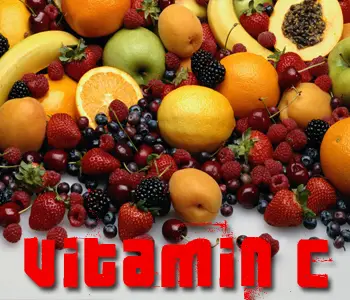
In the 1940’s, M.D. Frederick Klenner – and a host of other doctors – documented that adequate dosages of Vitamin C have the ability to cure over 30 different diseases, including pneumonia. This vitamin has received a lot of well-deserved attention in recent years, but not as much as needed. The anti-oxidant can boost the immune system, aid in liver detoxification, boost cognitive function, and protect the body against foreign invaders. It is also known to ‘treat’ the common cold, scurvy, asthma, gout, musculoskeletal injury, high blood pressure, and seasonal allergies (among more).
vitamin
And in the midst of a fight against pneumonia, Vitamin C can do wonders to support the body’s natural defenses without damaging intestinal flora. Reducing the body’s natural micro flora content to destroy a virus can cause long-term imbalances, therefore opting out of the commonly prescribed anti-biotic route is optimal.
When NaturalNews365 interviewed Dr. Andrew Saul, more information on the power of Vitamin C was captured. The physician shared that in just 3 hours, he healed himself of pneumonia. The video also shares how an adequate dosage of Vitamin C helped a child fully recover from serious upper respiratory diseases naturally.
Vitamin C is essential for bodily health and regeneration. It can be found in all fresh fruits, vegetables, leafy greens, in some sprouted grains, legumes, and seaweeds. One can be as adventurous as they like to gain enough of the essential nutrient, or supplement, though it should be noted supplemental version is not as optimal as fresh.
The power of nature abounds, and healing is possible by working with the body to aid the natural defenses and prevent ‘dis-ease’ in the first place.