Showing posts with label blood pressure. Show all posts

Monday, 20 April 2015

Daily Cup of Cocoa Helps Prevent Flu

Written By: Margie King, Health Coach

Daily Cup of Cocoa Helps Prevent Flu

When the wintry flu season strikes do you crave a comforting cup of hot cocoa? It could be your body's innate wisdom at work.

Nature works in mysterious ways.  Just when cold, dry weather chills us to the bone and flu season is in full bloom, we crave a comforting cup of hot cocoa.  As it turns out, that chocolate craving may be our body's innate wisdom at work.

According to a new Japanese study a daily cup of hot cocoa during influenza season may be just what we need to avoid the flu and stay healthy.[i]

The Japanese researchers conducted a three-part chocolate study that included cell tests, animal experiments, and human trials.

In the cell studies they found that cocoa extract inhibited the flu from taking hold in canine kidney cells. The cells had been infected with human influenza A (H1N1, H3N2) and B viruses, as well as avian flu viruses (H5N1, H5N9).

In the animal trial, mice were given cocoa extract for four days before being infected with the flu virus.  The cocoa extract had a preventative effect and significantly improved survival times of the mice.  

The daily dose of cocoa for the mice was equivalent to a human drinking two to three cups of a 10% cocoa solution.  In other words, the amounts were close to what a person might normally drink in a cup of hot chocolate.

Then, the researchers tested their findings in humans.  They divided 123 people into two groups.  Both groups were vaccinated against the influenza A (H1N1) virus.

For three weeks before and after being vaccinated, one group consumed a cup of hot chocolate every morning.  The drink is commercially available in Japan (under the name Kakao 2 Bai) and contains 360 mg of cocoa polyphenols per cup.  The control group did not drink any cocoa.

After two weeks, antibodies against the A (H1N1) virus were not significantly different between the two groups.  But the cocoa drinking group had significantly more natural killer (NK) cell activity.  NK cells recognize and eliminate influenza-virus-infected cells in order to keep the virus from spreading.

In other words, NK cell activity is an indicator of the body's natural immunity. Vaccine-induced elevations in antibodies, on the other, do not necessarily equate to bona fide immunity against infection as they are only a proxy measure of effectiveness.  The fact that cocoa consumption significantly increased compared to the control group suggests that drinking cocoa may inhibit influenza virus infection by stimulating natural immunity and therefore confer real world protection against onset of the flu.

Other studies had already found that chocolate elevates NK cell activity against cancer cells. The Japanese researchers believed their finding concerning the NK cell activity may suggest that cocoa polyphenols and especially procyanidins in chocolate might be effective in treating and preventing colorectal cancers  and hepatitis B virus infection in humans.

How does chocolate work against the flu?
The researchers concluded that drinking cocoa works in three different ways.

First, it inhibits the virus from adsorbing to target cells, as shown in their cell study.

Second, cocoa activates natural immunity.  In their human trial they found that cocoa enhanced the immune response from the flu vaccination.  In that way it provides stronger protection against influenza virus infection and disease onset.

Third, drinking hot cocoa has an anti-inflammatory effect. The researchers believe that the increased survival rates of mice fed cocoa may have been due to the elimination of virus-infected cells in the early stages and promotion of anti-inflammatory effects at the inflammation site.

And there's one more interesting way that chocolate fights the flu.

The researchers suggested that immediately after drinking cocoa, its healing compounds are present in the mouth, pharynx, and throughout the digestive tract at concentrations that inhibit infection.  These compounds work immediately and for some time after consumption. And they work in precisely the places where the virus would likely be present.

Some of these compounds include the polyphenols contained in chocolate. Polyphenols are powerful antioxidants and have broad-spectrum antimicrobial activity.

But even when the researchers removed the polyphenols from the cocoa extract, the remaining compounds in the extract were still effective.

Those other active compounds in cacao include:

the bitter component theobromine;
lignin, a dietary fiber;
free fatty acids; and
minerals such as iron, copper, and zinc.
Chocolate does much more than fight the flu.  In fact, chocolate has well over 40 health benefits and has been called the ultimate medicinal food.

Here are just a few of chocolate's other amazing properties:

relieves stress and lowers blood pressure
better for heart health than statins
burns belly fat
lowers diabetes risk
To read more about other health benefits associated with eating chocolate or cocoa-containing foods, visit the GreenMedInfo page dedicated to Chocolate Health Benefits.

When choosing chocolate instead of a flu shot, make sure your chocolate is:

1. At Least 70% Dark.  The darker the chocolate the less sugar is added.  And sugar can be the difference between healthy chocolate and junk food.

2. Raw. The more cacao is processed, the more polyphenols and flavanols are destroyed.  So the best source of chocolate antioxidants comes from raw unprocessed dark chocolate. In fact, raw cacao has the highest concentration of antioxidants of any food.

2. Organic.  Non-organic cocoa may contain residues of the dangerous herbicide glyphosate (the active ingredient in Roundup), and other pesticides used in conventional farming.

3. Free Trade. Cacao crops are often unfairly traded, and have even been linked to child enslavement.

 http://www.greenmedinfo.com/blog/daily-cup-cocoa-helps-prevent-flu

Friday, 9 January 2015

How stress can clog your arteries


Signs of stress. Chronic stress causes dangerous changes to atherosclerotic plaques inside blood vessels-- like the one shown here.

By Sarah C. P. Williams 


There’s a reason people say “Calm down or you’re going to have a heart attack.” Chronic stress—such as that brought on by job, money, or relationship troubles—is suspected to increase the risk of a heart attack. Now, researchers studying harried medical residents and harassed rodents have offered an explanation for how, at a physiological level, long-term stress can endanger the cardiovascular system. It revolves around immune cells that circulate in the blood, they propose.

The new finding is “surprising,” says physician and atherosclerosis researcher Alan Tall of Columbia University, who was not involved in the new study. “The idea has been out there that chronic psychosocial stress is associated with increased cardiovascular disease in humans, but what’s been lacking is a mechanism,” he notes.

Epidemiological studies have shown that people who face many stressors—from those who survive natural disasters to those who work long hours—are more likely to develop atherosclerosis, the accumulation of fatty plaques inside blood vessels. In addition to fats and cholesterols, the plaques contain monocytes and neutrophils, immune cells that cause inflammation in the walls of blood vessels. And when the plaques break loose from the walls where they’re lodged, they can cause more extreme blockages elsewhere—leading to a stroke or heart attack.

Studying the effect of stressful intensive care unit (ICU) shifts on medical residents, biologist Matthias Nahrendorf of Harvard Medical School in Boston recently found that blood samples taken when the doctors were most stressed out had the highest levels of neutrophils and monocytes. To probe whether these white blood cells, or leukocytes, are the missing link between stress and atherosclerosis, he and his colleagues turned to experiments on mice.

Nahrendorf’s team exposed mice for up to 6 weeks to stressful situations, including tilting their cages, rapidly alternating light with darkness, or regularly switching the mice between isolation and crowded quarters. Compared with control mice, the stressed mice—like stressed doctors—had increased levels of neutrophils and monocytes in their blood.

The researchers then homed in on an explanation for the higher levels of immune cells. They already knew that chronic stress increases blood concentrations of the hormone noradrenaline; noradrenaline, Nahrendorf discovered, binds to a cell surface receptor protein called β3 on stem cells in the bone marrow. In turn, the chemical environment of the bone marrow changes and there’s an increase in the activity of the white blood cells produced by the stem cells.

“It makes sense that stress wakes up these immune cells because an enlarged production of leukocytes prepares you for danger, such as in a fight, where you might be injured,” Nahrendorf says. “But chronic stress is a different story—there’s no wound to heal and no infection.”

In mice living with chronic stress, Nahrendorf’s team reported today in Nature Medicine, atherosclerotic plaques more closely resemble plaques known to be most at risk of rupturing and causing a heart attack or stroke. When the scientists blocked the β3 receptor, though, stressed mice not only had fewer of these dangerous plaques, but also had reduced levels of the active immune cells in their plaques, pinpointing β3 as a key link between stress and atheroscelerosis.

The finding could lead to new drugs to help prevent cardiovascular disease, suggests biologist Lynn Hedrick of the La Jolla Institute for Allergy and Immunology in San Diego, California. “I think this gives us a really direct hint that the β3 receptor is important in regulating the stress-induced response by the bone marrow,” Hedrick says. “If we can develop a drug that targets the receptor, this may be very clinically relevant.”

More immediately, the new observations suggest a way that clinicians could screen patients for their risk of atherosclerosis, heart attack, and stroke, Tall says. “Rather than asking four questions about stress levels, we could use their white blood cell counts to monitor psychosocial stress,” he says.

Sunday, 7 December 2014

See What Happens When You Eat Garlic On an Empty Stomach

Did you know that eating a whole head of garlic a day does miracles for your body?
 Garlic – a simple ingredient with amazing health benefits.  It stimulates the immune system and normalizes your gut flora, but since its so powerful, moderation is key. Garlic should be treated like medicine and not over consumed. Growing up in Russia, from an early age, I learned that garlic was to be my first aid choice whether I was getting sick or just as a preventive measure. Nobody ever questioned its powers. Garlic is a powerful natural antibiotic. It Does Work! It kills a very large number of different bacteria. Garlic is widely used in folk and traditional medicine for the treatment of many diseases and ailments. The cultivation of garlic started about 5 thousand years ago. It was used by the Romans, Assyrians, Egyptians, Greeks, Jews, Arabs and many other cultures. Pythagoras called garlic “the king of spices”. The earliest known references indicate that garlic was an important part of the daily diet of the Egyptians;  An Egyptian manuscript from that period includes 800 drugs, of which 22 were made with garlic. 

Did you know that eating garlic on an empty stomach is actually  really effective in preventing and treating many diseases?
Scientists have found that when you consume garlic on an empty stomach, it will only increase its power, making it an extremely powerful natural antibiotic. It happens because bacteria is exposed and cannot defend itself from succumbing to its power.

Use Garlic Instead of Antibiotics


Garlic is composed of nitrogenous substances, sodium, potassium, selenium, calcium, magnesium, silicon, sulfuric, phosphoric acid, vitamin C, D, B, phytosterols, extractives, and essential oils. Additionally, garlic is rich in phytoncides, such as  allicin, which is formed by the mechanical destruction of plants, that is – crushing or grinding cloves of garlic. According to some researchers, allicin has a strong bacteriostatic effect which helps cure infections faster. Garlic can also fight fungal infections, which makes garlic a much more valuable medicine than that of many of today’s antibiotics.

Garlic: Nature’s Original Remedy

Garlic contains more than four hundred different mineral components including many antioxidants which, have a number of positive therapeutic properties.

10 Amazing Health Benefits of Garlic


  • Garlic prevents aging and clogging of both major and peripheral arteries.
  • The healing properties of garlic help reduce the level of bad cholesterol in the blood.
  • It is very important to know that garlic  strengthens the immune system, thus increases the body’s ability to withstand the harmful influences of the environment.
  • Garlic kills a large number of various bacteria.
  • Garlic helps protect against heart disease. Garlic reduces the synthesis of triglycerides in the liver which help prevent the development of atherosclerosis.
  • Garlic lowers blood pressure and has anti-inflammatory properties.
  • Garlic is a natural antibiotic and is an effective remedy for colds.
  • It is recommended to use garlic for disorders of the nervous system.
  • Garlic helps kill the cells of multiform glioblastoma’s – a malignant brain tumor.
  • Garlic also acts as an anticoagulant, which thins the blood and prevents the formation of dangerous blood clots (helping to reduce the risk of a stroke or heart attack)

http://www.themindawakened.com/2014/11/see-what-happens-when-you-eat-garlic-on.html

Friday, 28 November 2014

Tuesday, 11 November 2014

Black Beans Lower Blood Pressure, Reduce Degenerative Disease and Much More

Black beans contain proteins that act as antioxidants and can lower blood pressure and remove toxic metals from the body, according to a study conducted by researchers from Mexico’s National School of Biological Sciences of the National Polytechnic Institute (IPN-ENCB).
The findings were awarded the National Prize in Science and Technology of Food in the Business category for Food Science.

image

Promising for heart health

Researchers ground up dried black beans, then isolated and hydrolyzed two of the main proteins found in the Jamapa variety of black beans: fasolina and lectin. The proteins were then tested using computer simulations.
They found that the two proteins demonstrated chelating activity, meaning that they removed heavy metals from the body. In addition, when the proteins were hydrolyzed with pepsin-pancratin, they also demonstrated antioxidant and antihypertensive activity.
“With the research we have [discovered] the essence of the legume, and identified the nutritional components such as carbohydrates, starch, proteins, fats, phenolic compounds that have related antioxidant effects,” lead researcher Gloria Davila Ortiz said.
The findings may partially explain why studies have shown beans to be so beneficial for heart health. The researchers expressed hope that their findings could lead to new treatments for preventing and treating cardiovascular disease by targeting oxidative stress and high blood pressure.
“The Jamapa black bean proteins have biological properties and nutrients that help lower glucose, cholesterol and triglycerides,” Davila Ortiz said. “Thanks to a collaboration between the IPN and the National Institute of Medical Sciences and Nutrition Salvador Zubiran, diets for people with diabetes were developed and it was found that glucose in blood decreased. In the future we intend to develop products containing proteins which would be aimed at treatment and prevention of diseases, seeking specific effect on blood pressure and as an antioxidant.”

A humble superfood

Beans form the basis of many diets around the world and are also one of the least expensive foods in terms of both weight and nutrient content. Beans are known to be rich in essential nutrients, with one cup of cooked black beans including fiber (59.8 percent of the recommended daily intake), protein (30.4 percent), iron (20 percent), folate (64 percent), magnesium (30.1 percent), manganese (38 percent), molybdenum (172 percent), phosphorus (24 percent), tryptophan (56.2 percent) and vitamin B1 (28 percent).
Soluble fiber, like that found in beans, has been shown to reduce cholesterol levels. Indeed, clinical trials have shown that eating beans (canned or dried) reduces levels of total and LDL (“bad”) cholesterol and triglycerides, while increasing levels of HDL (“good”) cholesterol.
Beans are also rich in phytonutrients, which are now considered responsible for many of the health benefits of fruits and vegetables. Many of these phytonutrients have antioxidant properties.
According to a study by the U.S. Department of Agriculture, three of the four foods highest in antioxidants are actually beans: the red bean, the red kidney bean and the pinto bean. Another study, conducted by the Colorado State University Department of Soil and Crop Sciences, also found that red beans were highest in antioxidants, but ranked black beans at number two. This study found that antioxidant content was linked with a dark color in the bean’s coat, because the pigments in the seed are produced by antioxidant phytonutrients such as phenols and anthocyanins.
Antioxidants remove free radicals from the body and are believed to thereby lower the risk of chronic diseases and slow the effects of aging. Indeed, beans have been linked with many of the health effects associated with antioxidants: a lower risk of diabetes, obesity, degenerative diseases, and a wide variety of cancers.
– Source: fitlife.com
http://www.healthdigezt.com/black-beans-lower-blood-pressure-reduce-degenerative-disease-and-much-more/

Monday, 27 October 2014

Open Sesame! 10 Amazing Health Benefits Of This Super-Seed

Sayer Ji
Open Sesame! 10 Amazing Health Benefits Of This Super-SeedSesame (Sesamum indicum) is one of the oldest cultivated plants in the world, prized as an oilseed for at least 5,000 years.  While it is beginning to regain favor due to its exceptionally high calcium and magnesium content, few realize it is also one of the most potent medicinal foods still commonly consumed today.

In fact, its history as a medicine goes back 3600 years to Egyptian times where it was listed in the scrolls of the Ebers as a favored medicine.  Also, women in ancient Babylon were believed to use a mixture of honey and sesame seeds (halva) to prolong youth and beauty, and Roman soldiers ate the mixture for strength and energy.

In the past twenty years, a glut of scientific information has poured in demonstrating that sesame seed, and its components, have over three dozen documented therapeutic properties [see sesame research page].  Given these new revelations, it would seem that sesame would be just as at home in a medicine cabinet as it would be a kitchen cupboard.

Here are just 10 evidence-based medicinal properties of this food-medicine:

Diabetes: A study published in 2011 in the Clinical Journal of Nutrition showed that sesame oil improved the effectiveness of the oral antidiabetic drug glibenclamide in type 2 diabetic patients. [1]  Another study published in 2006 in the Journal of Medicinal Foods showed that the substitution of sesame seed oil as the sole edible oil lowers blood pressure and glucose in hypertensive diabetics. [2]

High Blood Pressure:  A study published in 2006 in the Yale Journal of Biological Medicine showed that sesame seed oil has a beneficial effect in hypertensive patients on either diuretics or beta-blockers. Substitution of all dietary oils with sesame oil brought down systolic and dystolic  blood pressure to normal, in addition to decreasing lipid peroxidation (bodily rancidity) and antioxidant status. [3] One of the compounds identified behind sesame seed's antihypertensive effects are peptides that act as angiotensin I-converting enzyme inhibitors.[4]
Gingivitis/Dental Plaque: Sesame seed oil has been used for oral health for thousands of years in the traditional Indian medical tradition known as Ayurveda in a process known as "oil pulling." It involves swishing sesame seed oil in the mouth for prolonged durations and has been said to prevent teeth decay, halitosis, bleeding gums, dry throat, and for strengthening the teeth, gums and jaw. Clinical research now confirms that it compares favorably to chemical mouthwash (chlorhexidine) in improving plaque-induced gingivitis,[5] and that it is capable of reducing Streptococcus mutans growth associated with oral plaque formation. [6]

Infant Health/Massage Oil:  A study published in the Indian Journal of Medical Research in 2000 showed that massaging infants with sesame oil improved both their growth and post-massage sleep, in comparison to control oils such as mineral oil.[7]
Multiple Sclerosis (MS): In the animal model of MS, also known as experimental autoimmune encephalomyelitis, sesame seed oil protects mice from developing the disease by reducing IFN-gamma secretion, a key factor in initiating autoimmune inflammation and injury in the nervous system.[8] It has also been research for its potential beneficial role in another neurodegenerative condition, Huntington's disease. [9]

Antibiotic-Induced Kidney Damage: Sesame seed oil protects against gentamicin-induced kidney damage in rats by reducing oxidative damage caused by the antibiotic.[10]
Atherosclerosis: Sesame seed oil prevents the formation of atherosclerotic lesions in mice fed an atherogenic diet.[11]  The antioxidant and anti-inflammatory lignan found within sesame seeds known as sesamol has been identified to be partially responsible for its anti-atherogenic properties. In fact, sesamol has been shown to possess over two dozen beneficial pharmacologically active properties, many of which may contribute to improving cardiovascular health.


Disclaimer: This article is not intended to provide medical advice, diagnosis or treatment.


How much to use ?

I would not roast it unless it has to be used roasted and I did not read any comparative studies too. Heat can make the fat worse, especially omega 6, and makes enzymes useless(enzymes may not be much important in this food) but it may also eliminate antinutrients. Nuts and seeds are suggested to be soaked in water to get rid of antinutrients but it's not much practicable with sesame.

My question is, how much do you use and what is the amount you use based on ? Too much omega 6 may bring one closer to all inflammatory diseases:

http://atozhealthtopics.blogspot.com/2011/11/list-of-inflammatory-diseases.html

Selection between healthy foods that are high in omega 6 contradicts me. I've let myself eat a diet with high(though lower than most people's diets) omega 6 to omega 3 ratio for some time and I want to lower this ratio in my diet. Getting back to sesame, I will make a selection between sesame and eggs because they are both vitamin T and also omega 6 sources. Sesame is a source of sesamol and sesamin, and eggs are one of the best sources of phosphatidyl choline. Lignans are better obtained from high omega 3 source flax seeds, I think and other choline sources are either unpleasant to eat to me(organ meats, fat trimmed kidneys are best choline sources per calories) or inconvenient to eat enough to get enough choline(vegetables, cauliflowers are best), therefore I will try to choose eggs usually.

So which high omega 6 source foods and how much do the writers here suggest in general ? I do not know and I hope to read on this.
http://www.greenmedinfo.com/blog/open-sesame-10-amazing-health-benefits-super-seed

Friday, 17 October 2014

Get Rid Of a Headache And Lower High Blood Pressure With This Simple Natural Remedy

If you have strong and unbearable headache or high blood pressure, try this natural remedy that will eliminate the pain in just 20 minutes.

You need some gauze or fine cotton fabric that you will later use as a compress. Fold the gauze in 8 layers, and the compress should match your forehead.

 get-rid-of-a-headache-and-lower-high-blood-pressure-with-this-simple-natural-remedy1

Dissolve 2 level teaspoons of salt in 8.5 oz/ 250 ml of hot water (60-70°C). Now you have 8% salt solution.

Headache is often caused by the food you eat, like diet soda, alcohol and others.

Wash your forehead, ears and neck with some warm water. Soak the gauzes in the salt solution, squeeze out the excess and apply the compresses on your forehead, neck and around the ears. It is better if you lay down while the compresses do their job.

You will soon feel some relieve, but leave the compresses for a while. Lay for another 20 minutes. After you remove the compresses, rinse your neck, ears and forehead.

High salt intake often causes swelling and high blood pressure, but salt compresses have the opposite effect. They affect your health condition through the skin and stimulate the elimination of excess fluids from the body. You can treat swollen feet in the similar way.
http://www.healthyfoodhouse.com/get-rid-of-a-headache-and-lower-high-blood-pressure-with-this-simple-natural-remedy/

Thursday, 2 October 2014

Foods that help lower blood pressure


The foods below all contain high levels of potassium.

Potassium is one of four essential electrolytes (sodium, potassium, calcium and magnesium) used in the body. Potassium helps to lower high blood pressure by counteracting the negative effect of sodium. Too much sodium makes your body hold onto excess fluid which leads to an increase in blood volume which in turn increases blood pressure. Potassium helps your kidneys expel sodium and excess fluid from the body which lowers blood pressure due to the reduction in fluid volume.

Note: University of Pennsylvania researchers discovered that just 10 days of potassium restriction in the diet increased blood pressure for both people with normal and raised blood pressure.

Most people eat way too much (salt is comprised of 40% sodium and 60% chloride) and not enough potassium so you have a double negative. The goal here is to increase consumption of potassium rich foods to counteract the negative effect of salt. However to get the maximum benefit from this it is also recommended to cut back on the salt as well.

Note: Both the American Heart Association and the Blood Pressure Association in the UK recommend eating a diet high in potassium to help lower high blood pressure. Additionally most national health authorities now recommend increasing potassium consumption via diet along with reducing sodium intake.

Below are some of the main high potassium fruit and vegetables. Fruit and vegetables contain the highest amount of potassium of any food type. The only other notable source of potassium is dairy products. Dairy also has the benefit of being high in calcium and should be included daily in your diet, but be sure to choose low fat dairy options.

High potassium vegetables

Artichoke
Baked beans (can be high in salt!)
Butternut squash
Beetroot
All beans and peas
Cabbage
Cucumber
Carrots
Brussels sprouts
Lentils
Mushrooms
Potatoes
Parsnips
Spinach
Tomatoes
Cauliflower
Broccoli
Sweet Potato
Celery
Kale

High potassium fruits/nuts/seeds

Apple
Avocado
Bananas
Dried dates
Dried apricots
Figs
Kiwi fruit
Mango
Orange and orange juice
Papaya
Strawberries
Watermelon
Raisins
Prunes and prune juice
Pear
Nectarines
Grapefruit
Pomegranate
Sunflower seeds
Pumpkin seeds
Peanuts
Brazil nuts
Almonds

To help lower blood pressure try to eat 5 portions of the high potassium fruit and vegetables a day (a simple guide to portion size is a portion is roughly the size of your closed fist).

The way I managed to up my potassium rich food was by including the vegetables in main meals and snacking on the fruit, nuts and seeds when hungry in between meals. I also found dried fruit useful for adding variety.

This might seem difficult to begin with but give it a go and once you start try and stick with it as the benefits and the reduction in blood pressure happens of several weeks and months. I found it got much easier after the first week as it became more of a habit.

If you really are struggling to eat 5 portions a day any increase will be beneficial and is worth the effort. For example a small study showed that eating two bananas a day had a positive and measurable reduction in blood pressure.

Note: increasing calcium and magnesium has also been shown to help lower blood pressure. Many of the high potassium foods also contain calcium or magnesium.

Not only will upping the fruit and vegetables help to lower your blood pressure, but all the additional vitamins, minerals and fibre will also help you avoid certain cancers, bowel problems, heart attacks and lower cholesterol. You’ll also likely have more energy and look and feel better!

An additional benefit that has recently been reported in the journal Stroke states that people eating lots of potassium rich foods have a reduced risk of stroke. The report says that for each 1,000-milligram (mg) increase in daily potassium, the odds of suffering a stroke in the next five to 14 years declined by 11 percent. The researchers do state that the findings do not prove that it is just the potassium alone in the potassium rich food which produces the positive effect, but who cares!

The science that potassium helps to lower blood pressure can’t be ignored. It has simply been proven so many times. On a personal level, after following a higher potassium diet for two months my blood pressure dropped by approximately 10 systolic and 5 diastolic. I only had stage 1 high blood pressure and many studies have shown that higher the blood pressure to begin with, results in greater the reduction in blood pressure.

Note: supplementation with potassium tablets is not advised. Excessive intake of potassium can lead to a condition known as Hyperkalemia in people with compromised kidney function. The recommended intake of potassium is 4.7mg per day. Providing you do not go too far over this via your diet you will be fine. If you do have a kidney problem consult your doctor before increasing your potassium intake.
http://knowledgeweighsnothing.com/40-foods-that-help-lower-blood-pressure/

Tuesday, 9 September 2014

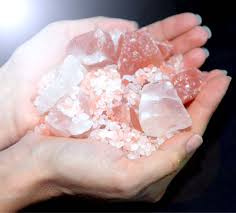
The Amazing Benefits of Himalayan Pink Salt

By Alanna Ketler

Have you heard about the amazing Himalayan crystal salt that comes directly from the Himalayan Mountains? It is packed with some pretty amazing benefits and is an amazing new staple to add to your pantry. It is an absolutely wonderful alternative to table salt, and soon I’ll explain why.

The History

First of all, what makes Himalayan crystal salt so amazing? About 200 million years ago, there were crystallized sea salt beds that were covered with lava. Being kept in this untouched, pristine environment that has been surrounded with snow and ice for so many years means that the salt has been protected from modern day pollution. Many people believe that this pink salt from the Himalayas is the purest salt that can be found on the planet.

Minerals & Energy

Himalayan Salt contains the same 84 trace minerals and elements that are found in the human body, that alone is quite impressive! A few of these minerals include: sodium chloride, sulphate, calcium, potassium and magnesium. When using this salt, you are actually getting less sodium intake per serving than regular table salt because it is less refined and the pieces are larger. Therefore Himalayan salt has less sodium per serving because the crystals or flakes take up less room than the highly processed table salt variety. Another cool thing about this salt is that because of its cellular structure it stores vibrational energy. The minerals in this salt exist in colloidal form, which means that they are small enough for our cells to easily absorb.

What Exactly Are The Benefits?

Some of the benefits that you can expect by consuming this salt in place of regular table salt include:
  • Aiding in vascular health
  • Supporting healthy lungs and respiratory function
  • Promoting a stable pH balance within the cells
  • Reducing the signs of aging
  • Promoting healthy sleep patterns
  • Increasing libido
  • Prevents muscle cramps
  • Increases hydration
  • Strengthen bones
  • Lowers blood pressure
  • Improves circulation
  • Detoxifying the body of heavy metals

Comparing Himalayan Salt To Other Salts

Sea Salt
While still a better choice than table salt, sea salt is becoming increasingly over processed and let’s face it, our oceans are becoming more and more polluted each year, just think about the massive oils spills that have occurred. Because of the pristine conditions that the pink salt is kept in, it is said to be the purest salt available today.
Table Salt
Regular, commercial table salt is completely stripped of the majority of its minerals with the exception of sodium and chloride. It is then bleached, cleaned with chemicals and then heated at extremely high temperatures. The iodine that is added to table salt is almost always synthetic which is difficult for our bodies to properly take in. It is treated with anti-caking agents, which prevents the salt from dissolving in water and in the salt container. These agents then prevent the salt from absorbing in our own bodies, which leads to a build up and deposit within the organs. This can cause severe health problems. Studies have shown that for each gram of table salt that is consumed that the body cannot process, your body will use 20 TIMES the amount of cellular water to neutralize the amount of sodium chloride that is present in this chemically treated salt.
This is large in part of how salt has gotten such a bad name. It is not necessarily salt that is unhealthy for us, it is refined table salt that is inferior for our health. Aside from that, many of us are consuming way too much processed food. These foods contain astronomical amounts of salt, and it isn’t the good kind. It’s not about limiting our amount of salt; it’s about consuming more natural, homemade whole foods. This way we can add salt while cooking or sprinkle some on our meals without having to worry about high blood pressure and so on.
You should be able to find this amazing Himalayan Crystal Salt at your local health food store, or easily online!
Much Love

Salt Shake-Up: Why Sodium is Good for You
By Sally Kuzemchak, RD
Salt Shake-Up: Why Sodium is Good for You

Shake It Out Hi, my name is Sally, and I’m a dietitian who loves salt. I lick it from my fingers when eating popcorn, generously sprinkle it on roasted vegetables, and wouldn't dream of buying unsalted pretzels or low-sodium soup. Even though my blood pressure has always been low, I still feel a little guilty. After all, if we want to lessen our chances of heart disease and stroke, we should all shun salt, right?
Actually, no. When it comes to sodium, not everyone agrees that the best strategy is to go low. In fact, going too low may be downright unhealthy, new research says. And active women may need even more salt than those who are sedentary. To cut through the confusion, we consulted the top experts and analyzed all the latest studies. Here’s everything you need to know about the white stuff.
The Super Mineral? Although sodium often gets lumped into the category of nutritional no-no’s, your body needs it. This mineral, which helps your system send messages to and from the brain and keep your heartbeat steady, is mega-important for active women. In fact, it’s a veritable workout secret weapon, no less crucial than your sports bra. It can often help prevent the kind of muscle cramping that cuts exercise sessions short and ruins races. It also helps your body hold on to water, so you stay better hydrated, says Nancy Clark, RD, the author of Nancy Clark’s Sports Nutrition Guidebook. Clark recalls one of her clients, a marathon runner who exercised in the heat and complained of being tired all the time. Turns out, she was severely restricting her salt intake. “She didn’t use salt in cooking or at the table and chose salt-free pretzels, crackers and nuts. She ate primarily unprocessed ‘all natural’ foods that are low in sodium,” Clark says. When she added a bit of sodium to her diet — sprinkling some salt on her baked potato and into the boiling water before adding pasta — she reported feeling a lot better.
Certain fit women need a lot of salt, says Amy Goodson, RD, a sports dietitian in Dallas. During a vigorous exercise session, most women lose some sodium, potassium and fluid. But “salty sweaters” lose more and thus need to replenish it afterward. (To find out if you fall into this category, see “What to Do.”)

The Great Salt Debate 
If sodium is so important, how the heck did it become such a villain? For some people, too much of the mineral can make the kidneys retain extra water (that’s why it causes bloating), increasing blood volume. That puts more pressure on blood vessels, forcing the heart to work harder. Over time, that can turn into high blood pressure, says Rachel Johnson, PhD, RD, a spokeswoman for the American Heart Association. Because one in three Americans has high blood pressure and eating less salt can help lower hypertension, in the 1970s experts advised cutting back, and suddenly the whole country was on a salt-restrictive kick. According to the most recent Dietary Guidelines for Americans, you should get less than 2,300 milligrams of sodium a day; the American Heart Association takes it even further with their recommendation of 1,500 milligrams a day.
But a recent report from the Institute of Medicine questions whether a low-sodium diet is right for everyone. After reviewing the evidence, the IOM’s experts stated there simply wasn’t proof that consuming less than 2,300 milligrams a day resulted in fewer deaths from heart disease and strokes. In the American Journal of Hypertension, an analysis of seven studies involving more than 6,000 people found no strong evidence that cutting salt intake reduced the risk of heart attacks, strokes, or death in people with either normal or high blood pressure. “The current recommendations were based on the belief that the lower, the better,” says Michael Alderman, MD, a professor emeritus of medicine at Albert Einstein College of Medicine. “But the more recent data on health outcomes show that those guidelines aren’t justified.”
Going too low may even be dangerous. In a study by Copenhagen University Hospital, a low-sodium diet resulted in a 3.5 percent decrease in blood pressure for people with hypertension. That would be fine, except that it also raised their triglycerides and cholesterol and boosted levels of aldosterone and norepinephrine, two hormones that can increase insulin resistance over time. All of those things are known risk factors for heart disease.
Against the Grain Now there’s even more reason to go ahead and salt your veggies: In March, Danish researchers announced, after analyzing dozens of studies, they had discovered that consuming too little sodium is linked to a greater risk of death. They’ve determined that the safest range for most people is from 2,645 to 4,945 milligrams of salt a day. Those are numbers that most Americans are already meeting, but, unfortunately, most of that sodium — a whopping 75 percent — comes from packaged and restaurant foods, many of which are loaded with calories, added sugar and even trans fats. The worst offenders are the so-called Salty Six: breads and rolls, cured meats, pizza, soup, poultry, and sandwiches. A typical order of Chinese beef with broccoli has 3,300 milligrams, and a plate of chicken parm comes close to 3,400 milligrams. “Whether it’s a fancy restaurant or a greasy diner, chances are it’s using a lot of salt,” says Michael Jacobson, PhD, the executive director of the Center for Science in the Public Interest, a nonprofit group that has called on the Food and Drug Administration to limit the sodium allowed in processed and restaurant foods.
That leaves fit women who are eating a high-quality diet that includes lots of fresh food, like fruits and vegetables, and whole grains in pretty good shape. “You don’t need to be as careful about sodium as some people are if you’re doing so many other things right,” Jacobson says. Plus research suggests that being active may offer a natural defense against sodium’s negative effects. “If you’re active, you can probably tolerate more salt in your diet than someone who is not,” says Carol Greenwood, PhD, a professor of nutritional sciences at the University of Toronto. That means protection against sodium’s impact on blood pressure — and maybe even more. In Greenwood’s research, older adults who ate high-salt diets showed more cognitive decline than those with lower salt intakes, but not among those who were physically active. They were protected, regardless of how much salt they ate. “A high level of activity protects blood vessels and the long-term health of the brain,” she explains.
Bottom line: If you’re active and eating a nutrient-rich diet, sodium shouldn’t stress you out. “Of all the things you should worry about,” Dr. Alderman says, “you can take that one off the table.
What to Do Exercising and eating a healthy diet are both excellent safeguards against sodium’s harmful effects, so you don’t need to toss out your saltshaker. Instead, take this sensible approach to sodium.
Determine if you’re a “salty sweater.”
After your next push-it-to-the-max workout, hang your tank top up to dry, then watch for the telltale white residue. If you see it, you need even more sodium than the typical fit woman. Novice exercisers tend to lose more salt in sweat (over time, your body adapts and loses less). The smartest way to replenish: Have a post-workout snack that contains sodium — pretzels and string cheese or low-fat cottage cheese and fruit — or add salt to healthy foods like brown rice and veggies. You need to supplement during your exercise session — with sports drinks, gels or chews that contain sodium and other electrolytes — only if you are training for a few hours or are an endurance athlete.
Keep tabs on your BP.
Blood pressure tends to gradually increase with age, so even if your numbers are good now, they may not stay that way. Have your blood pressure checked at least every two years. Hypertension has no symptoms, which is why it’s often called a silent killer.
Stick with whole foods.
If you’re already trying to cut back on processed foods and dine out less, you’re automatically lowering your sodium intake. If your blood pressure is slightly high, start comparing products in the same category, such as soups and breads, to see how their sodium stacks up. A few simple switches can help lower your intake.
Find out your family history.
There’s a strong genetic component to hypertension, so fit, healthy people can have high blood pressure if it runs in the family. Keep closer tabs on your blood pressure and your sodium intake if hypertension is in your family tree. About a third of the population is sodium sensitive, which means their blood pressure will respond more dramatically to the substance than other people’s will (this is more common in African-Americans and in people who are overweight).
Get more potassium.
The mineral is kryptonite to sodium, blunting its powers. A high-potassium diet can help lower blood pressure. And wouldn’t you rather eat more bananas and spinach than nibble on plain popcorn? Other star sources include sweet potatoes, edamame, cantaloupe and lentils. While you’re at it, up your intake of low-fat dairy and whole grains too. These have shown to be effective in lowering blood pressure.

Wednesday, 30 July 2014

7 Reasons Why We Should Be Giving More Hugs

By Lindsay Holmes
HUGS                               
   Admit it: Nothing gives you comfort quite like a warm hug.
Whether you're wrapped up in the arms of your partner or greeting a friend hello, hugs have a way of making us feel warm and fuzzy inside. But aside from making us feel protected and loved, this touching gesture can also do wonders for our well-being. So whether it's a simple squeeze, a big bear hug or some cute cuddling -- there are plenty of reasons why we should embrace the act of, well, embracing someone.Below, find seven reasons why we should be giving more hugs.
They make us feel good.
boy hugging dog
The simple act of a hug isn't just felt on our arms. When we embrace someone,oxytocin (also known as "the cuddle hormone") is released, making us feel all warm and fuzzy inside. The chemical has also been linked to social bonding. "Oxytocin is a neuropeptide, which basically promotes feelings of devotion, trust and bonding,"DePauw University psychologist Matt Hertenstein told NPR. "It really lays the biological foundation and structure for connecting to other people."
More hugs = lower blood pressure.
hug
The hormones that are released in the body after a hug aren't just good for happy feelings -- they can also help your physical health. When someone touches you, the sensation on your skin activates pressure receptors called Pacinian corpuscles, which then send signals to the vagus nerve, an area of the brain that is responsible for (among many things) lowering blood pressure, NPR reported.
They may alleviate our fears.
teddy bear hug
In a study on fears and self-esteem, research published in the journal Psychological Science revealed that hugs and touch significantly reduce worry of mortality. The studies found that hugging -- even if it was just an inatimate object like a teddy bear -- helps soothe individuals' existential fears. "Even fleeting and seemingly trivial instances of interpersonal touch may help people to deal more effectively with existential concern," lead researcher Sander Koole wrote in the study. "Interpersonal touch is such a powerful mechanism that even objects that simulate touch by another person may help to instill in people a sense of existential significance."
Hugging can be good for our hearts.
hug heart
Embracing someone may warm your heart, but according to one study a hug can be good medicine for it too: In an experiment at the University of North Carolina, Chapel Hill , participants who didn't have any contact with their partners developed a quickened heart rate of 10 beats per minute compared to the five beats per minute among those who got to hug their partners during the experiment.
Adults can benefit from hugging the most.
hugging
According to researchers at Ohio State University, hugging and physical touch becomes increasingly important with age. "The older you are, the more fragile you are physically, so contact becomes increasingly important for good health," University psychologist Janice Kiecolt-Glaser told USA TODAY. Studies have shown that loneliness, particularly with age, can also increase stress and have averse health effects. By hugging someone, we instantly feel closer to that person and decrease feelings of loneliness.
Hugs are a natural stress reliever.
friends hugging group
Feeling strung out? Go give someone a squeeze. When we embrace, we immediatelyreduce the amount of the stress hormone cortisol produced in our bodies. Hugs also make our bodies release tension and send calming messages to the brain.
Well-hugged babies are less stressed as adults.
baby hug
Want to do something for future generations? Hug them when they're still little. An Emory University study in rats found a link between touch and relieving stress, particularly in the early stages of life. The research concluded that the same can be said of humans, citing that babies' development -- including how they cope with stress as adults -- depends on a combination of nature and nurture.
http://www.huffingtonpost.com/2014/03/27/health-benefits-of-huggin_n_5008616.html
                                 

Wednesday, 9 July 2014

Home made Celery Juice-Video

Vegetable juice - Wikipedia, the free encyclopedia

Celery juice is a drink that the drug companies don’t want you to take on a regular basis. Why? This drink is an all natural very inexpensive way to help maintain your health and in some cases may even help in the prevention of many maladies that the pharmaceuticals just want you to take their very expensive pills that sometimes have very bad side effects. Check out the excerpt from an article that I recently found .  It reveals what the drug companies really want to keep from you…  A healthy all natural drink that delivers a multitude of nutrients and vitamins as well as many amazing wellness remedies. 
Fights Cancer – Celery is known to contain at least eight families of anti-cancer compounds. A study at Rutgers University of New Jersey found that celery contains a number of compounds that help prevent cancer cells from spreading. 
Lowers Cholesterol – Laboratory studies also indicate that butyl phthalide, a chemical in celery, may help reduce LDL (bad) cholesterol. According to researchers at the University of Chicago, celery reduces cholesterol levels by as much as 7 points with as little as 2 stalks a day. Celery also aids in increasing bile acid secretion which helps to remove cholesterol from the body.
Aids in Digestion – Special nutrients in the fiber are released during juicing that aid bowel movements. This makes celery a natural laxative that helps to relieve constipation. It also helps relax nerves that have been overworked by man-made laxatives.
Diuretic – The potassium and sodium in celery juice are powerful body fluid regulators that stimulate urine production to help rid the body of excess fluid.
Lower blood pressure – Celery’s potential for reducing high blood pressure has long been recognized by Chinese medicine. Studies show that drinking celery juice every day for 1 week can significantly help lower blood pressure.
Insomnia – The minerals and essential oils in celery juice have a calming effect on the nervous system, making it beneficial for insomniacs. Its high magnesium levels help people to relax into a soothing and restful sleep.
Elimination and Prevention of stones – Celery juice is an amazing eliminator of toxins from the body, which aids in the breaking and elimination of urinary and gall bladder stones. This lovely juice helps those who have suffered from stones from getting them again.
Increased Sexuality – Celery juice is beneficial for weak sexuality, yet doesn’t cause an uncontrollable urge as some pharmaceutical drugs do. Celery balances the system rather than increasing it.
Celery can be juiced with any other fruits or vegetables. A particularly delicious and powerful combination is carrot, apple, cucumber and celery.

Celery Juicing Video