Showing posts with label heart disease. Show all posts

Tuesday, 3 October 2017

Sweating it out might be the key to a healthy heart!

Sweating it out might be the key to a healthy heart
Here’s a hot health tip: Taking frequent saunas can prevent heart disease, a new study claims.
Men who sweat it out at least four times a week are nearly half as likely to develop high blood pressure, according to research published in a recent issue of the American Journal of Hypertension.
University of Eastern Finland researchers examined 1,621 middle-aged men with early signs of the condition — which can lead to heart disease and stroke — over an average of 22 years, according to the report.
They found the risk of high blood pressure plunged 46 percent in guys who hit the hot box four to seven times a week and 24 percent in men who took two to three saunas a week.
Body temperature spikes up to 35 degrees during a sauna, and that jump strengthens blood vessels and removes fluid from the body — both of which decrease blood pressure, according to the research, which was first published in June.
Saunas also burn through stress by relaxing the mind and body, which may also lower blood pressure, researchers said.
Overall, researchers also found that 15.5 percent of the men developed clinically high blood pressure over the course of the study.
Heart disease is the leading cause of death in the United States.
In a separate study last year, the same team of researchers found that frequent saunas also lower risk of developing dementia.
http://nypost.com/2017/09/29/sweating-it-out-might-be-the-key-to-a-healthy-heart/

Click Here For More Articles

Don't forget to opt-in to Our Healthy Living Society and get 3 free gifts while receiving the latest information on health, well-being and groundbreaking news about natural nutrition.

Monday, 27 October 2014

Is your child addicted to sugar?

Nearly half of mothers believe their children are addicted to sugar - but most are unaware quite how much they're really consuming

Most mothers questioned were unaware of the high sugar content of everyday foods such as yoghurts and juice
Most mothers questioned were unaware of the high sugar content of everyday foods such as yoghurts and juice Photo: Alamy

Nearly half of mothers (46 per cent) believe their children may be addicted to sugar, according to a new poll conducted by Bupa.
Yet many of them were unaware of the true scale of the problem, with the majority uninformed about the high sugar content of everyday foods such as yoghurts and juice.
Even though 43 per cent of the 2,000 mothers questioned claimed to know how much sugar was in the food their children eat, when asked how much was contained in everyday lunchbox items, most had no real idea.
While 88 per cent of children have at least one yoghurt a day, 93 per cent of the mothers questioned weren't aware that a typical fat-free yoghurt contains five teaspoons of sugar
The research found that 77 per cent of children consumed at least one glass of fruit juice each day - but 94 per cent of mothers didn't know that the average amount of sugar in a typical glass of apple juice is 6.5 teaspoons.
Some 93 per cent of mothers had no idea that a typical glass of apple juice contains 6.5 teaspoons of sugar
According to Mumsnet editor Sarah Crowne, sugar consumption is a continual source of anxiety among parents: "There's a great deal of discussion on Mumsnet about how to feed your kids well - from coping with fussy toddlers to tips for cajoling refusenik teens into managing a sensible breakfast before school.
"Excessive sugar consumption is a perennial concern amongst our users - particularly with 'hidden' sugar popping up in everyday products such as pasta sauce and bread, not to mention the large quantities in some of the most popular children's yoghurts and fruit snacks.
"In an ideal world, obviously, we'd all shun jars and packets and cook perfectly-balanced meals from scratch every day - but the fact is that time and money constraints often make this impossible.
"As with most aspects of child-rearing, parents simply do their best: to be clued-up about nutrition, avoid the obvious sugar-laden pitfalls and try to strike a healthy balance when feeding their kids."

Yet, in spite of these concerns and efforts, 40 per cent of parents questioned in the new poll said they gave their children sweets, fizzy drinks or chocolate at least once a day.
Nearly 25 per cent surveyed said they placed sugary treats in their child’s lunchbox, with the top culprits being cakes, chocolate, crisps and fruit juice. Nearly a third of mothers believed that, as they gave their children healthy food, too much sugar wasn't an issue.
Nicole Mowbray, author of Sweet Nothing, an account of giving up sugar, says: 'While these figures are shocking, they're not surprising."
"Even though parents try their best, sugar lurks in so many of the foods we give our children, from the addition of fruit juice to savoury baby foods to make it more palatable, to the high quantities of sugar lurking in everyday sauces such as tomato ketchup, or this new idea that honey is in some way healthier, when it isn't.
"That's before you've even considered the amount of sugar given to youngsters in the form of 'treats'. Parents should use their pressure power to force manufacturers to start reducing the amount of sugars they add to food and drinks aimed at children.'
Too much sugar in a child’s diet can cause permanent damage to health, including increased risk of heart disease and Type 2 diabetes. as well as severe damage to dental health.
Andrew Wallis, of Cornwall Council, said earlier in the year that tooth decay among children had reached epidemic proportions. In fact, the research was commissioned by Bupa to mark the launch of its Tooth Fairy campaign - parents can create a personalised video for their children at toothfairy.bupa.co.uk.
Bupa's Clinical Director of Dentistry, Dr Steve Preddy commented: “With 26,000 primary school children admitted to hospital for tooth decay in the past year, there is a need now more than ever, for parents to be paying attention to their child’s sugar consumption.
"The recent announcement from NICE has caused much debate amongst health and teaching authorities, however the most important thing to remember is tooth decay is preventable.
Parents need to be regularly looking at the nutritional information of food products; it is often what are thought of as healthy foods or unexpected ones."


Thursday, 9 October 2014

World Renown Heart Surgeon Speaks Out On What Really Causes Heart Disease

by Doctor Dwight Lundell, M.D.
Dr. Dwight Lundell, M.D. We physicians with all our training, knowledge and authority often acquire a rather large ego that tends to make it difficult to admit we are wrong. So, here it is. I freely admit to being wrong.. As a heart surgeon with 25 years experience, having performed over 5,000 open-heart surgeries,today is my day to right the wrong with medical and scientific fact.

I trained for many years with other prominent physicians labelled “opinion makers.” Bombarded with scientific literature, continually attending education seminars, we opinion makers insisted heart disease resulted from the simple fact of elevated blood cholesterol.

The only accepted therapy was prescribing medications to lower cholesterol and a diet that severely restricted fat intake. The latter of course we insisted would lower cholesterol and heart disease. Deviations from these recommendations were considered heresy and could quite possibly result in malpractice.

It Is Not Working!

These recommendations are no longer scientifically or morally defensible. The discovery a few years ago that inflammation in the artery wall is the real cause of heart disease is slowly leading to a paradigm shift in how heart disease and other chronic ailments will be treated.
The long-established dietary recommendations have created epidemics of obesity and diabetes, the consequences of which dwarf any historical plague in terms of mortality, human suffering and dire economic consequences.

Despite the fact that 25% of the population takes expensive statin medications and despite the fact we have reduced the fat content of our diets, more Americans will die this year of heart disease than ever before.

Statistics from the American Heart Association show that 75 million Americans currently suffer from heart disease, 20 million have diabetes and 57 million have pre-diabetes. These disorders are affecting younger and younger people in greater numbers every year.

Simply stated, without inflammation being present in the body, there is no way that cholesterol would accumulate in the wall of the blood vessel and cause heart disease and strokes. Without inflammation, cholesterol would move freely throughout the body as nature intended. It is inflammation that causes cholesterol to become trapped.

Inflammation is not complicated — it is quite simply your body’s natural defense to a foreign invader such as a bacteria, toxin or virus. The cycle of inflammation is perfect in how it protects your body from these bacterial and viral invaders. However, if we chronically expose the body to injury by toxins or foods the human body was never designed to process, a condition occurs called chronic inflammation. Chronic inflammation is just as harmful as acute inflammation is beneficial.
What thoughtful person would willfully expose himself repeatedly to foods or other substances that are known to cause injury to the body? Well,smokers perhaps, but at least they made that choice willfully.
The rest of us have simply followed the recommended mainstream diet that is low in fat and high in polyunsaturated fats and carbohydrates, not knowing we were causing repeated injury to our blood vessels. This repeated injury creates chronic inflammation leading to heart disease, stroke, diabetes and obesity.

Let me repeat that: The injury and inflammation in our blood vessels is caused by the low fat diet recommended for years by mainstream medicine.

What are the biggest culprits of chronic inflammation? Quite simply, they are the overload of simple, highly processed carbohydrates (sugar, flour and all the products made from them) and the excess consumption of omega-6 vegetable oils like soybean, corn and sunflower that are found in many processed foods.

Take a moment to visualize rubbing a stiff brush repeatedly over soft skin until it becomes quite red and nearly bleeding. you kept this up several times a day, every day for five years. If you could tolerate this painful brushing, you would have a bleeding, swollen infected area that became worse with each repeated injury. This is a good way to visualize the inflammatory process that could be going on in your body right now.

Regardless of where the inflammatory process occurs, externally or internally, it is the same. I have peered inside thousands upon thousands of arteries. A diseased artery looks as if someone took a brush and scrubbed repeatedly against its wall. Several times a day, every day, the foods we eat create small injuries compounding into more injuries, causing the body to respond continuously and appropriately with inflammation.

While we savor the tantalizing taste of a sweet roll, our bodies respond alarmingly as if a foreign invader arrived declaring war. Foods loaded with sugars and simple carbohydrates, or processed withomega-6 oils for long shelf life have been the mainstay of the American diet for six decades. These foods have been slowly poisoning everyone.
http://www.curejoy.com/content/world-renown-heart-surgeon-speaks-out-on-what-really-causes-heart-disease/

Tuesday, 7 October 2014

7 Simple Ways to Unclog Your Arteries Naturally

Written By: Sayer Ji
7 Simple Ways to Unclog Your Arteries Naturally

We all want to live a long life, but did you know eating these simple foods has been proven scientifically to prevent and in some cases reverse the #1 cause of death in the modern world?

Statistically, atherosclerosis (the progressive clogging of the arteries) is the #1 killer on the planet.  A complex process, involving autoimmunity, infection, dietary incompatibilities, and many known and unknown factors, it is – despite conventional medical opinion – entirely preventable, and in some cases reversible.

Here is the peer-reviewed, published research proving the fact:

B Vitamins – yes, something as simple as adding a source of B-complex to your regimen can prevent the juggernaut of heart disease from taking your life prematurely. A doubled-blind, randomized study, published in 2005, in the journal Atherosclerosis found that a simple intervention using 2.5 mg folic acid, 25 mg Vitamin B6, and 0.5mg Vitamin B12 for 1 year, resulted in significant reductions in arterial thickness (as measured by intima media thickeness). Even niacin or folic acid alone has been show to have this effect in patients. [Note: Always opt for natural sources of the B-group vitamins, including probiotic supplementation (which produce the entire complement for you), or a whole food extract, versus synthetic or semi-synthetic vitamins which, sadly, predominate on the market today)
.
Garlic – as we have documented extensively previously, garlic can save your life. It has been found to regress plaque buildup in the arteries, among many other potentially life-saving health benefits.
Pomegranate – this super healing fruit has been found to regress plaque buildup in the arteries, as well as being demonstrated to provide dozens of validated health benefits, including replacing the function of the mammalian ovary!

Fermented Cabbage – Kimchi, a Korean recipe, which includes fermented cabbage, hot pepper, and various other ingredients, including fermented fish, appears to stall the atherosclerotic process in the animal model. Additionally, strains of good bacteria in kimchi have been found capable of degrading toxic chemicals that can additional bodily harm.

L-Arginine: This amino acid is capable of preventing arterial thickening – up to 24% reduction! -- in the animal model. We have done an extensive literature review on arginine supplementation and have found that in over 30 studies demonstrating this fact addition to 150 known health benefits, it is capable of addressing the underlying dysfunction associated with cardiovascular disease: endothelial dysfunction, with no less than 20 studies proving this fact.

Turmeric (curcumin): the primary polyphenol in the Indian spice turmeric known as curcumin has been found to be an excellent cardioprotective, with over 30 studies demonstrating this fact. One study found that curcumin prevented damage to the arteries associated with blockage (neointima formation).

Sesame Seed: probably one of the most underappreciated super foods on the planet, sesame seed, which we have shown is as effective as Tylenol for arthritic pain, may be an excellent cardioprotective substance, ideally suited for preventing the progression of atherosclerosis. One animal study found it was capable of preventing atherosclerosis lesion formation.

This is a small sample of evidence-based natural interventions for cardiovascular disease prevention and/or regression. We have a much larger set of studies on over 200 natural substances capable of reducing the risk of heart attack and related heart disease related conditions.

Remember, heart disease is not a natural process, that we must accept as inevitable based on family history of an outdated gene-based model of human disease risk. Our daily decisions, especially regarding what we decide we are going to eat or do not eat, are first and foremost. We can use food as medicine, sloughing off the pharmaceutical industry meme that we need statins to stave off the 'inevitable.' Take back control of your health with nutrition, and realize that food is the only medicine that will both nourish us and heal our bodies in a way that will produce lasting health.
http://www.greenmedinfo.com/blog/7-simple-ways-unclog-your-arteries-naturally


How To Clean Your Arteries With One Simple Fruit


How To Clean Your Arteries With One Simple Fruit

 new study published in the journal Atherosclerosis confirms that pomegranate extract may prevent and/or reverse the primary pathology associated with cardiac mortality: the progressive thickening of the coronary arteries caused by the accumulation of fatty materials known as atherosclerosis.[i]
Mice with a genetic susceptibility towards spontaneous coronary artery blockages were given pomegranate extract via their drinking water for two weeks, beginning at three weeks of age. Despite the fact that pomegranate treatment actually increased cholesterol levels associated with very low density lipoprotein-sized particles, the treatment both reduced the size of the atherosclerotic plaques in the aortic sinus (the dilated opening above the aortic valve) and reduced the proportion of coronary arteries with occlusive atherosclerotic plaques.
Remarkably, the researchers also found that pomegranate extract treatment resulted in the following beneficial effects:
  • Reduced levels of oxidative stress
  • Reduced monocytie chemotactic protein-1, a chemical messenger (chemokine) associated with inflammatory processes within the arteries.  
  • Reduced lipid accumulation in the heart muscle
  • Reduced macrophage infiltration in the heart muscle
  • Reduced levels of monocyte chemotactic protein-1 and fibrosis in the myocardium
  • Reduced cardiac enlargement
  • Reduced ECG abnormalities
How can something as benign and commonplace as a fruit extract reverse so many aspects of coronary artery disease, simultaneously, as evidenced by the study above?  The answer may lie in the fact that our ancestors co-evolved with certain foods (fruits in particular) for so long that a lack of adequate quantities of these foods may directly result in deteriorating organ function.  Indeed, two-time Nobel Prize winner Linus Pauling argued that vitamin C deficiency is a fundamental cause of cardiovascular disease, owing to the fact that our hominid primate ancestors once had year-round access to fruits, and as a result lost the ability to synthesize it.
Discussion
This study adds to the already extant body of clinical research indicating that pomegranate can help unclog your arteries.  For instance, back in 2004, the journal Clinical Nutrition published the results of a three year clinical trial in an Israeli population, finding that the daily consumption of pomegranate juice reversed carotid artery stenosis by up to 29% within 1 year.  Remarkably, the blockages in the control group increased 9%, indicating that pomegranate's artery unblocking effects were even greater than at first apparent. [ii]

Pomegranate's value in cardiovascular disease is quite broad, as evidenced by the following experimentally confirmed properties:

Anti-inflammatory: Like many chronic degenerative diseases, inflammation plays a significant role in cardiovascular disease pathogenesis.

Blood-Pressure Lowering: Pomegranate juice has natural angiotensin converting enzyme inhibiting properties, [iv] and is a nitric oxide enhancer, two well-known pathways for reducing blood pressure. Finally, pomegranate extract rich in punicalagin has been found reduce the adverse effects of perturbed stress on arterial segments exposed to disturbed flow.
Anti-Infective: Plaque buildup in the arteries often involves secondary viral and bacterial infection, including hepatitis C and Chlamydia pneumoniae.[vii] Pomegranate has a broad range of anti-bacterial and anti-viral properties.
Antioxidant: One of the ways in which blood lipids become heart disease-promoting (atherogenic) is through oxidation. LDL, for instance, may be technically 'elevated' but harmless as long as it does not readily oxidize. Pomegranate has been found to reduce the oxidative stress in the blood, as measured by serum paraoxonase levels.  One study in mice found this decrease in oxidative stress was associated with 44% reduction in the size of atherosclerotic lesions. 

Tuesday, 9 September 2014

The Amazing Benefits of Himalayan Pink Salt

By Alanna Ketler

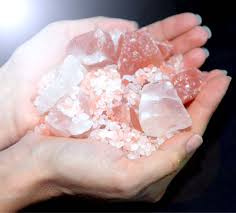
Have you heard about the amazing Himalayan crystal salt that comes directly from the Himalayan Mountains? It is packed with some pretty amazing benefits and is an amazing new staple to add to your pantry. It is an absolutely wonderful alternative to table salt, and soon I’ll explain why.

The History

First of all, what makes Himalayan crystal salt so amazing? About 200 million years ago, there were crystallized sea salt beds that were covered with lava. Being kept in this untouched, pristine environment that has been surrounded with snow and ice for so many years means that the salt has been protected from modern day pollution. Many people believe that this pink salt from the Himalayas is the purest salt that can be found on the planet.

Minerals & Energy

Himalayan Salt contains the same 84 trace minerals and elements that are found in the human body, that alone is quite impressive! A few of these minerals include: sodium chloride, sulphate, calcium, potassium and magnesium. When using this salt, you are actually getting less sodium intake per serving than regular table salt because it is less refined and the pieces are larger. Therefore Himalayan salt has less sodium per serving because the crystals or flakes take up less room than the highly processed table salt variety. Another cool thing about this salt is that because of its cellular structure it stores vibrational energy. The minerals in this salt exist in colloidal form, which means that they are small enough for our cells to easily absorb.

What Exactly Are The Benefits?

Some of the benefits that you can expect by consuming this salt in place of regular table salt include:
  • Aiding in vascular health
  • Supporting healthy lungs and respiratory function
  • Promoting a stable pH balance within the cells
  • Reducing the signs of aging
  • Promoting healthy sleep patterns
  • Increasing libido
  • Prevents muscle cramps
  • Increases hydration
  • Strengthen bones
  • Lowers blood pressure
  • Improves circulation
  • Detoxifying the body of heavy metals

Comparing Himalayan Salt To Other Salts

Sea Salt
While still a better choice than table salt, sea salt is becoming increasingly over processed and let’s face it, our oceans are becoming more and more polluted each year, just think about the massive oils spills that have occurred. Because of the pristine conditions that the pink salt is kept in, it is said to be the purest salt available today.
Table Salt
Regular, commercial table salt is completely stripped of the majority of its minerals with the exception of sodium and chloride. It is then bleached, cleaned with chemicals and then heated at extremely high temperatures. The iodine that is added to table salt is almost always synthetic which is difficult for our bodies to properly take in. It is treated with anti-caking agents, which prevents the salt from dissolving in water and in the salt container. These agents then prevent the salt from absorbing in our own bodies, which leads to a build up and deposit within the organs. This can cause severe health problems. Studies have shown that for each gram of table salt that is consumed that the body cannot process, your body will use 20 TIMES the amount of cellular water to neutralize the amount of sodium chloride that is present in this chemically treated salt.
This is large in part of how salt has gotten such a bad name. It is not necessarily salt that is unhealthy for us, it is refined table salt that is inferior for our health. Aside from that, many of us are consuming way too much processed food. These foods contain astronomical amounts of salt, and it isn’t the good kind. It’s not about limiting our amount of salt; it’s about consuming more natural, homemade whole foods. This way we can add salt while cooking or sprinkle some on our meals without having to worry about high blood pressure and so on.
You should be able to find this amazing Himalayan Crystal Salt at your local health food store, or easily online!
Much Love

Salt Shake-Up: Why Sodium is Good for You
By Sally Kuzemchak, RD
Salt Shake-Up: Why Sodium is Good for You

Shake It Out Hi, my name is Sally, and I’m a dietitian who loves salt. I lick it from my fingers when eating popcorn, generously sprinkle it on roasted vegetables, and wouldn't dream of buying unsalted pretzels or low-sodium soup. Even though my blood pressure has always been low, I still feel a little guilty. After all, if we want to lessen our chances of heart disease and stroke, we should all shun salt, right?
Actually, no. When it comes to sodium, not everyone agrees that the best strategy is to go low. In fact, going too low may be downright unhealthy, new research says. And active women may need even more salt than those who are sedentary. To cut through the confusion, we consulted the top experts and analyzed all the latest studies. Here’s everything you need to know about the white stuff.
The Super Mineral? Although sodium often gets lumped into the category of nutritional no-no’s, your body needs it. This mineral, which helps your system send messages to and from the brain and keep your heartbeat steady, is mega-important for active women. In fact, it’s a veritable workout secret weapon, no less crucial than your sports bra. It can often help prevent the kind of muscle cramping that cuts exercise sessions short and ruins races. It also helps your body hold on to water, so you stay better hydrated, says Nancy Clark, RD, the author of Nancy Clark’s Sports Nutrition Guidebook. Clark recalls one of her clients, a marathon runner who exercised in the heat and complained of being tired all the time. Turns out, she was severely restricting her salt intake. “She didn’t use salt in cooking or at the table and chose salt-free pretzels, crackers and nuts. She ate primarily unprocessed ‘all natural’ foods that are low in sodium,” Clark says. When she added a bit of sodium to her diet — sprinkling some salt on her baked potato and into the boiling water before adding pasta — she reported feeling a lot better.
Certain fit women need a lot of salt, says Amy Goodson, RD, a sports dietitian in Dallas. During a vigorous exercise session, most women lose some sodium, potassium and fluid. But “salty sweaters” lose more and thus need to replenish it afterward. (To find out if you fall into this category, see “What to Do.”)

The Great Salt Debate 
If sodium is so important, how the heck did it become such a villain? For some people, too much of the mineral can make the kidneys retain extra water (that’s why it causes bloating), increasing blood volume. That puts more pressure on blood vessels, forcing the heart to work harder. Over time, that can turn into high blood pressure, says Rachel Johnson, PhD, RD, a spokeswoman for the American Heart Association. Because one in three Americans has high blood pressure and eating less salt can help lower hypertension, in the 1970s experts advised cutting back, and suddenly the whole country was on a salt-restrictive kick. According to the most recent Dietary Guidelines for Americans, you should get less than 2,300 milligrams of sodium a day; the American Heart Association takes it even further with their recommendation of 1,500 milligrams a day.
But a recent report from the Institute of Medicine questions whether a low-sodium diet is right for everyone. After reviewing the evidence, the IOM’s experts stated there simply wasn’t proof that consuming less than 2,300 milligrams a day resulted in fewer deaths from heart disease and strokes. In the American Journal of Hypertension, an analysis of seven studies involving more than 6,000 people found no strong evidence that cutting salt intake reduced the risk of heart attacks, strokes, or death in people with either normal or high blood pressure. “The current recommendations were based on the belief that the lower, the better,” says Michael Alderman, MD, a professor emeritus of medicine at Albert Einstein College of Medicine. “But the more recent data on health outcomes show that those guidelines aren’t justified.”
Going too low may even be dangerous. In a study by Copenhagen University Hospital, a low-sodium diet resulted in a 3.5 percent decrease in blood pressure for people with hypertension. That would be fine, except that it also raised their triglycerides and cholesterol and boosted levels of aldosterone and norepinephrine, two hormones that can increase insulin resistance over time. All of those things are known risk factors for heart disease.
Against the Grain Now there’s even more reason to go ahead and salt your veggies: In March, Danish researchers announced, after analyzing dozens of studies, they had discovered that consuming too little sodium is linked to a greater risk of death. They’ve determined that the safest range for most people is from 2,645 to 4,945 milligrams of salt a day. Those are numbers that most Americans are already meeting, but, unfortunately, most of that sodium — a whopping 75 percent — comes from packaged and restaurant foods, many of which are loaded with calories, added sugar and even trans fats. The worst offenders are the so-called Salty Six: breads and rolls, cured meats, pizza, soup, poultry, and sandwiches. A typical order of Chinese beef with broccoli has 3,300 milligrams, and a plate of chicken parm comes close to 3,400 milligrams. “Whether it’s a fancy restaurant or a greasy diner, chances are it’s using a lot of salt,” says Michael Jacobson, PhD, the executive director of the Center for Science in the Public Interest, a nonprofit group that has called on the Food and Drug Administration to limit the sodium allowed in processed and restaurant foods.
That leaves fit women who are eating a high-quality diet that includes lots of fresh food, like fruits and vegetables, and whole grains in pretty good shape. “You don’t need to be as careful about sodium as some people are if you’re doing so many other things right,” Jacobson says. Plus research suggests that being active may offer a natural defense against sodium’s negative effects. “If you’re active, you can probably tolerate more salt in your diet than someone who is not,” says Carol Greenwood, PhD, a professor of nutritional sciences at the University of Toronto. That means protection against sodium’s impact on blood pressure — and maybe even more. In Greenwood’s research, older adults who ate high-salt diets showed more cognitive decline than those with lower salt intakes, but not among those who were physically active. They were protected, regardless of how much salt they ate. “A high level of activity protects blood vessels and the long-term health of the brain,” she explains.
Bottom line: If you’re active and eating a nutrient-rich diet, sodium shouldn’t stress you out. “Of all the things you should worry about,” Dr. Alderman says, “you can take that one off the table.
What to Do Exercising and eating a healthy diet are both excellent safeguards against sodium’s harmful effects, so you don’t need to toss out your saltshaker. Instead, take this sensible approach to sodium.
Determine if you’re a “salty sweater.”
After your next push-it-to-the-max workout, hang your tank top up to dry, then watch for the telltale white residue. If you see it, you need even more sodium than the typical fit woman. Novice exercisers tend to lose more salt in sweat (over time, your body adapts and loses less). The smartest way to replenish: Have a post-workout snack that contains sodium — pretzels and string cheese or low-fat cottage cheese and fruit — or add salt to healthy foods like brown rice and veggies. You need to supplement during your exercise session — with sports drinks, gels or chews that contain sodium and other electrolytes — only if you are training for a few hours or are an endurance athlete.
Keep tabs on your BP.
Blood pressure tends to gradually increase with age, so even if your numbers are good now, they may not stay that way. Have your blood pressure checked at least every two years. Hypertension has no symptoms, which is why it’s often called a silent killer.
Stick with whole foods.
If you’re already trying to cut back on processed foods and dine out less, you’re automatically lowering your sodium intake. If your blood pressure is slightly high, start comparing products in the same category, such as soups and breads, to see how their sodium stacks up. A few simple switches can help lower your intake.
Find out your family history.
There’s a strong genetic component to hypertension, so fit, healthy people can have high blood pressure if it runs in the family. Keep closer tabs on your blood pressure and your sodium intake if hypertension is in your family tree. About a third of the population is sodium sensitive, which means their blood pressure will respond more dramatically to the substance than other people’s will (this is more common in African-Americans and in people who are overweight).
Get more potassium.
The mineral is kryptonite to sodium, blunting its powers. A high-potassium diet can help lower blood pressure. And wouldn’t you rather eat more bananas and spinach than nibble on plain popcorn? Other star sources include sweet potatoes, edamame, cantaloupe and lentils. While you’re at it, up your intake of low-fat dairy and whole grains too. These have shown to be effective in lowering blood pressure.

Monday, 1 September 2014

The Global Geography of Heart Disease

By ANDREW GIAMBRONE
Why cardiovascular health is improving in the United States but falling in developing nations


Some good news for heart health this week: A new study published by the journal Circulation reports that America—home of the Big Mac, Dunkin’ Donuts, and all things super-sized—has seen a dramatic reduction in the number of cardiovascular hospitalizations and deaths over the past decade. This is a big deal, since cardiovascular disease is currently the number one cause of death in the United States.

“Nobody thought all the efforts we’re making [against heart disease] could cause so much progress so fast,” said Harlan Krumholz, lead author of the study and professor at the Yale School of Medicine. “This is a kind of triumph of implementation science and systems.”

That triumph was captured in the following numbers, for individuals older than 65: Hospitalization rates among all races and areas dropped 38 percent for heart attack, 30.5 percent for heart failure, 33.6 percent for ischemic stroke, and 83.8 percent for sudden chest pain. Similarly, individuals’ risk of dying within a year of hospitalization fell by an average of about 18 percent across those conditions. To determine this, the researchers looked at data for 34 million Medicare Fee-For-Service patients from 1999 to 2011—“a representative group” for those with heart disease, Krumholz said—controlling for age, race, sex, location, and preexisting conditions like diabetes.

Related Story

A Heart Surgeon's Viral Confession
How can this be? America and much of the world is in the midst of an obesity crisis, or even a “global obesity epidemic,” as the World Health Organization has declared.

“Now there’s still a ways to go,” Krumholz, the study author, admits. “But in the U.S., we’ve seen great advances both on the prevention side and the treatment side, so outcomes have improved.”

These improvements include better screening for heart conditions, quality of care, lifestyle changes, awareness, and use of evidence-based treatments, such as surgery and cholesterol-lowering statins.

In other words, the United States has started to reverse its heart disease epidemic through conscious efforts to administer effective treatments and to combat preventable risk factors: tobacco use, lack of physical activity, abuse of alcohol, and unhealthy diets. Despite American gains, however, cardiovascular trends have not been as rosy in the developing world. In fact, Brazil, Russia, India, and China have experienced some of the globe’s fastest-growing rates of non-communicable diseases (NCDs), which kill more than 36 million people around the world each year. Heart disease accounts for roughly half of these deaths, at 17.3 million people annually, 9 million of whom die before the age of 60.

The tallies are telling. In China alone, one in five adults (totaling more than 200 million people) has cardiovascular disease, and annual cardiovascular events are predicted to jump 50 percent by 2030. Largely due to the proliferation of fast-food chains and poorer diets in China, these statistics could translate to an additional 21.3 million cardiovascular events and 7.7 million cardiovascular deaths in that country each year. Meanwhile, in Brazil, heart disease comprises more than 30 percent of annual mortality rates, followed by cancer (17 percent), and other NCDs (15 percent).

India has similar problems. In 2012, the Indian Heart Watch released an illustrative study at the World Congress of Cardiology, which found that cardiovascular disease is increasing there because of key lifestyle risk factors: 79 percent of men and 83 percent of women were found to be physically inactive, while around 50 percent of both men and women had high-fat diets. In addition, nearly 60 percent of Indian men and women showed low intake of fruit and vegetables, and 12 percent of men smoked.

"Nobody thought all the efforts we’re making against heart disease could cause so much progress so fast."
These countries’ economies may be booming, but their cardiovascular health standards are falling behind. That’s because sedentary lifestyles, cheaper costs for unhealthy food, urbanization, and cultural phenomena such as binge-watching shows on Netflix instead of exercising have put their populations at higher risks for heart disease. The same factors have long contributed to cardiovascular disease in the U.S., except now it seems we’ve found ways to fight and prevent them.

The consequences are both existential and financial. The World Economic Forum and the Harvard School of Public Health estimated in a 2011 report that the global cost of cardiovascular disease will rise 22 percent in the next 20 years and surpass $1 trillion total. This figure represents direct healthcare costs as well as productivity lost from disability or premature death, or time lost from work because of illness.

As economies have grown in these foreign countries, so has cardiovascular disease. Yet the U.S.—another country with a lot of money and a lot of heart problems—appears to have found a potential solution in preventative and evidence-based treatments.
http://www.theatlantic.com/health/archive/2014/08/the-countries-losing-the-fight-against-heart-disease/379021/