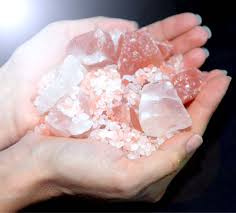
Showing posts with label salt. Show all posts

Wednesday, 3 July 2019

7 DIY Body Scrub Recipes

Get Glowing Skin with Natural, At-Home Body Scrubs

To maintain beautiful, glowing skin it’s absolutely necessary to exfoliate all those icky dead cells blocking the baby soft layer of skin underneath. But boy can the body exfoliators and scrubs in the beauty aisle really put a dent in your shopping budget. Instead, try out a few of our favorite easy and effective DIY body scrub recipes. For a thoughtful and wallet-friendly gift, you can also make an extra mason jar full of your favorite scrub below for your mom or BFF.


Coffee Body Scrub
coffee body scrub recipe

Coffee is good for more than just your morning wakeup. This scrub performs double duty by exfoliating while the caffeine in the coffee grounds may even help reduce the appearance of cellulite by plumping up your skin. If you check the labels, caffeine is actually in many of those crazy expensive cellulite creams. This, however, is a much cheaper way to discover if caffeine works as a treatment for you. No promises, but try it out.

Equal parts ground coffee and raw sugar
1 tbsp olive oil
2 tbsp coconut oil
1 tbsp sea salt

Mix the ground coffee with raw sugar and sea salt. Add the olive oil and coconut oil. And voila, coffee body scrub.

(Recipe & photo source: deliciouslyorganized.blogspot.com/2012/07/diy-mornin-coffee-scrub.html)


Rosemary Lavender Salt Scrub
lavender body scrub recipe

For a relaxing end to your day, draw yourself a nice warm bath and unwind with this soothing scrub. It'll get you to your happy place in no time.

2 cups salt, kosher
1/4 cup olive oil
3 tbsp lavender, culinary grade
3 tbsp rosemary leaves, finely chopped

Mix all ingredients together and enjoy. This scrub can also be applied to the more delicate neck and facial area (other scrubs, in general, though, are too harsh to use on your face or neck).

(Adapted recipe & photo source:  bettycrocker.com/recipes/diy-rosemary-lavender-salt-scrub/ab242ee3-c896-44a2-9a93-2ee4654f8959)


Daniela Ferri’s Go-To Body Scrub

diy body scrub recipe

Licensed Esthetician and acne specialist Daniela Ferri recommend using her easily customizable recipe to reveal your naturally lovely skin.

3/4 cup sugar in the raw
1/4 cup honey
1/8 cup vegetable glycerin (check the vitamin section for this)
1/8 cup olive oil
1/4 liquid castile soap (or 1/4 cup shampoo)
25 drops of your favorite essential oil (or 1/4 tsp pumpkin spice)

In a bowl, mix ingredients together well. After showering with your usual body wash, apply generously to your body especially concentrating on rough areas like knees and elbows. Rinse off and apply your favorite moisturizing body lotion post-shower.


Sunless Tanner Correcting Scrub

lemon body scrub recipe

Have you applied sunless tanner without exfoliating first? Holy oompa loompa! To correct those dreaded dark orange patches, try this sunless-tanner fixer. Two go-to remedies for removing those pesky tangerine streaks are lemon and a great scrub. Lemons contain citric acid, a natural exfoliator, and also contain elements that cause bleaching (sunless tanner included). This recipe combines both sugar scrub and lemons.

5 cups white granulated sugar
2 cups olive oil
2 lemons
3 tbsp honey

Using a wooden spoon, mix the sugar with the olive oil. Slice lemons in half and squeeze the juice into the sugar olive oil mix. Add honey and mix just until combined. After a long soak in a warm bath, apply the scrub to trouble spots. Be careful not to scrub too hard and damage your skin, though! Rinse off. Follow up with a nice moisturizing body lotion.

P.S. Kudos to you for using a safer tanning alternative! We'll take streaks over sun damage any day.

(Recipe source:  neverlandnook.com/honey-lemon-sugar-scrub)


Peppermint Sugar Scrub
peppermint sugar body scrub

Peppermint is not just for the holidays. Scrubbing down with this recipe will make you feel refreshed and invigorated--not to mention it's delightfully pink.

2 cups white granulated sugar
1/4 cup almond oil or coconut oil
Peppermint essential oil
Raspberry/pomegranate juice or red food coloring

Slowly mix almond or coconut oil into the granulated sugar. If you feel like there doesn't seem to be enough oil, you can add more, but don’t overdo it and let the mixture get too oily. Add a few drops of peppermint oil until it reaches your desired scent. To get the pink color, add a few drops of red food coloring, or for a natural take, you can add drops of raspberry or pomegranate juice. Mix together until color is uniform throughout (don’t worry, it won’t be enough to dye your skin!).

(Recipe & photo source: theidearoom.net/2012/11/peppermint-candy-cane-sugar-scrub)


Vanilla Sugar Scrub

vanilla body scrub recipe

If you’re sensitive to strongly scented products, this natural, simple sugar scrub is the way to go. The delicate scent of the vanilla extract and almond oil will hardly trigger any sensitive noses or smell-induced migraines.

2 1/2 cups sugar in the raw
3/4 cup white granulated sugar
4-5 tbsp vanilla extract
1/4 cup almond oil

In a bowl, mix together the sugar in the raw and the white granulated sugar. Add in the vanilla extract and almond oil and mix well.

(Recipe & photo source: heygorg.com/2012/04/diy-body-scrub-favor.html)


Create Your Body Scrub
Don’t be afraid to play around with the recipes and create your own signature scrub. Stick to two core ingredients (granulated sugar and olive oil) and add a few drops of your favourite essential oil and you’ve got a scrub as unique as your lovely self.
http://www.chickrx.com/articles/7-diy-body-scrub-recipes

Friday, 30 January 2015

How To Instantly Stop A Migraine With Salt

salt-lemon-migraine

Migraine sufferers are often anxious to rid themselves of the terrible pain characterizing this condition. A migraine is nothing to laugh at; a really bad migraine can pretty much cripple you and take you down for the rest of your day. What’s worse, there are some migraines that can’t be abated with your usual pain killers. So, what’s the next best thing to use? Salt.

How to Use Salt for Instant Migraine Relief
Being acquainted with migraines, I literally have used everything in the past to attempt to stop it. Migraines are one of those things that simply ruin your life for the day. However, eventually, I did find a method that worked for me! I am very happy I didn’t have to resort to conventional medicine.

When you use salt to relieve migraines, make sure to use high quality salt such as Himalayan crystal salt. It’s the most complete salt in the world. It contains 84 minerals, electrolytes and elements – a fascinating number considering that there are only 118 elements known to science. This salt helps reduce the severity of migraine headaches, strengthens the immune system, increases energy levels, balances serotonin levels in the bloodstream, restores the body’s alkaline and electrolyte balance and much more.

Also, this method is very easy.

Just take a glass of lemon juice with a high concentration of Himalayan crystal salt and drink it. It works like magic!

http://naturalcuresnotmedicine.com/how-to-instantly-stop-a-migraine-with-salt/

Monday, 6 October 2014

Salt Therapy

Salt Therapy has been recognized for centuries as a unique and natural approach for relieving the symptoms of various  respiratory complaints, dermatological illness and allergies. It is especially highly regarded as a treatment for asthma. It is accepted in Eastern Europe as a valuable method of relieving symptoms and is used often on a daily basis. Now following heliotherapy rooms being set up in USA its global interest and its power as a complimentary therapy cannot be denied.
How can salt therapy help me?
Salt therapy is recommended for patients young and old and can be a place for the whole family to utilize together, enjoy and benefit from. Due to the calming and peaceful environment of the salt room it can be a place for adults to relax and meditate in the unique and uplifting experience. Children find the environment an adventure and can play at the same time as receiving relief from their illness.
“Clinical studies have shown that inhaling the salt particles can help reduce inflammation in the respiratory tract; absorbing oedema (swelling) caused by fluid in the tissues, and can help free blockages in the bronchial area.”
This therapy is recommended for three main areas of illness and allergy:
1)    lung and respiratory illnesses such as Bronchial Asthma, Smokers Cough, Cystic Fibrosis, Chronic Bronchitis, emphysemia, Bronchiectasis, tonsillitis, Otitis and Pharyngitis, coughs, hay fever, rhinitis, sinusitis and repeat viral infections
2)    Skin diseases and dermatological complaints such as Eczema, Dermatitis and psoriasis.
3)  Mental health issues such as stress and fatigue.

What is involved in salt therapy?
The salt room
“Asthma is often caused by inhaling allergens like dust and smoke. Halotherapy treatment cleans your airways and removes obstructions including tobacco smoke, pollen and dust thereby making breathing easier.”
Therapeutic sessions take place within the salt room or salt cave. (The salt room is a reproduction of the subterranean salt caves that were used for therapeutic purposes many centuries ago.)
The room itself is covered in salt to mimic the healing environment of the salt cave. There are relaxing chairs, and toys for children to play with while soothing light and tranquil music add to the surroundings. A session will normally last from anything up to 90 minutes.
Throughout the session dry salt aerosol generators blow salt particles into the air and work to relieve and enhance the power of the salt room and effect further relief and treatment for sufferers.
The salt cocoon
The difference between the salt room and the cocoon is a little like the choice between gaining a tan on the beach and using a sun bed. The salt Cocoon is a chamber that can hold one adult and one child. The plastic transparent lid opens to reveal a bed area where the patient can relax in isolation while receiving treatment. An excellent way for an adult to be with a very young child during the session. This can be an invaluable way of treating concerns such as psoriasis.
Can everyone use salt therapy?
Salt therapy is not recommended for patients with:
Internal diseases in decompensation; severe hypertension; large and relapsing bleeds; blood diseases in acute stages; acute stages of respiratory diseases; severe chronic respiratory failure; active tuberculosis; mental disorders; drug addiction; malignant diseases; intoxication; cachexia.
“The process is good for the nervous system and relieves stress and anxiety as it is saturated with negative ions. It relieves dermatological problems as salt destroys bad bacteria on the skin”

Tuesday, 9 September 2014

The Amazing Benefits of Himalayan Pink Salt

By Alanna Ketler

Have you heard about the amazing Himalayan crystal salt that comes directly from the Himalayan Mountains? It is packed with some pretty amazing benefits and is an amazing new staple to add to your pantry. It is an absolutely wonderful alternative to table salt, and soon I’ll explain why.

The History

First of all, what makes Himalayan crystal salt so amazing? About 200 million years ago, there were crystallized sea salt beds that were covered with lava. Being kept in this untouched, pristine environment that has been surrounded with snow and ice for so many years means that the salt has been protected from modern day pollution. Many people believe that this pink salt from the Himalayas is the purest salt that can be found on the planet.

Minerals & Energy

Himalayan Salt contains the same 84 trace minerals and elements that are found in the human body, that alone is quite impressive! A few of these minerals include: sodium chloride, sulphate, calcium, potassium and magnesium. When using this salt, you are actually getting less sodium intake per serving than regular table salt because it is less refined and the pieces are larger. Therefore Himalayan salt has less sodium per serving because the crystals or flakes take up less room than the highly processed table salt variety. Another cool thing about this salt is that because of its cellular structure it stores vibrational energy. The minerals in this salt exist in colloidal form, which means that they are small enough for our cells to easily absorb.

What Exactly Are The Benefits?

Some of the benefits that you can expect by consuming this salt in place of regular table salt include:
  • Aiding in vascular health
  • Supporting healthy lungs and respiratory function
  • Promoting a stable pH balance within the cells
  • Reducing the signs of aging
  • Promoting healthy sleep patterns
  • Increasing libido
  • Prevents muscle cramps
  • Increases hydration
  • Strengthen bones
  • Lowers blood pressure
  • Improves circulation
  • Detoxifying the body of heavy metals

Comparing Himalayan Salt To Other Salts

Sea Salt
While still a better choice than table salt, sea salt is becoming increasingly over processed and let’s face it, our oceans are becoming more and more polluted each year, just think about the massive oils spills that have occurred. Because of the pristine conditions that the pink salt is kept in, it is said to be the purest salt available today.
Table Salt
Regular, commercial table salt is completely stripped of the majority of its minerals with the exception of sodium and chloride. It is then bleached, cleaned with chemicals and then heated at extremely high temperatures. The iodine that is added to table salt is almost always synthetic which is difficult for our bodies to properly take in. It is treated with anti-caking agents, which prevents the salt from dissolving in water and in the salt container. These agents then prevent the salt from absorbing in our own bodies, which leads to a build up and deposit within the organs. This can cause severe health problems. Studies have shown that for each gram of table salt that is consumed that the body cannot process, your body will use 20 TIMES the amount of cellular water to neutralize the amount of sodium chloride that is present in this chemically treated salt.
This is large in part of how salt has gotten such a bad name. It is not necessarily salt that is unhealthy for us, it is refined table salt that is inferior for our health. Aside from that, many of us are consuming way too much processed food. These foods contain astronomical amounts of salt, and it isn’t the good kind. It’s not about limiting our amount of salt; it’s about consuming more natural, homemade whole foods. This way we can add salt while cooking or sprinkle some on our meals without having to worry about high blood pressure and so on.
You should be able to find this amazing Himalayan Crystal Salt at your local health food store, or easily online!
Much Love

Salt Shake-Up: Why Sodium is Good for You
By Sally Kuzemchak, RD
Salt Shake-Up: Why Sodium is Good for You

Shake It Out Hi, my name is Sally, and I’m a dietitian who loves salt. I lick it from my fingers when eating popcorn, generously sprinkle it on roasted vegetables, and wouldn't dream of buying unsalted pretzels or low-sodium soup. Even though my blood pressure has always been low, I still feel a little guilty. After all, if we want to lessen our chances of heart disease and stroke, we should all shun salt, right?
Actually, no. When it comes to sodium, not everyone agrees that the best strategy is to go low. In fact, going too low may be downright unhealthy, new research says. And active women may need even more salt than those who are sedentary. To cut through the confusion, we consulted the top experts and analyzed all the latest studies. Here’s everything you need to know about the white stuff.
The Super Mineral? Although sodium often gets lumped into the category of nutritional no-no’s, your body needs it. This mineral, which helps your system send messages to and from the brain and keep your heartbeat steady, is mega-important for active women. In fact, it’s a veritable workout secret weapon, no less crucial than your sports bra. It can often help prevent the kind of muscle cramping that cuts exercise sessions short and ruins races. It also helps your body hold on to water, so you stay better hydrated, says Nancy Clark, RD, the author of Nancy Clark’s Sports Nutrition Guidebook. Clark recalls one of her clients, a marathon runner who exercised in the heat and complained of being tired all the time. Turns out, she was severely restricting her salt intake. “She didn’t use salt in cooking or at the table and chose salt-free pretzels, crackers and nuts. She ate primarily unprocessed ‘all natural’ foods that are low in sodium,” Clark says. When she added a bit of sodium to her diet — sprinkling some salt on her baked potato and into the boiling water before adding pasta — she reported feeling a lot better.
Certain fit women need a lot of salt, says Amy Goodson, RD, a sports dietitian in Dallas. During a vigorous exercise session, most women lose some sodium, potassium and fluid. But “salty sweaters” lose more and thus need to replenish it afterward. (To find out if you fall into this category, see “What to Do.”)

The Great Salt Debate 
If sodium is so important, how the heck did it become such a villain? For some people, too much of the mineral can make the kidneys retain extra water (that’s why it causes bloating), increasing blood volume. That puts more pressure on blood vessels, forcing the heart to work harder. Over time, that can turn into high blood pressure, says Rachel Johnson, PhD, RD, a spokeswoman for the American Heart Association. Because one in three Americans has high blood pressure and eating less salt can help lower hypertension, in the 1970s experts advised cutting back, and suddenly the whole country was on a salt-restrictive kick. According to the most recent Dietary Guidelines for Americans, you should get less than 2,300 milligrams of sodium a day; the American Heart Association takes it even further with their recommendation of 1,500 milligrams a day.
But a recent report from the Institute of Medicine questions whether a low-sodium diet is right for everyone. After reviewing the evidence, the IOM’s experts stated there simply wasn’t proof that consuming less than 2,300 milligrams a day resulted in fewer deaths from heart disease and strokes. In the American Journal of Hypertension, an analysis of seven studies involving more than 6,000 people found no strong evidence that cutting salt intake reduced the risk of heart attacks, strokes, or death in people with either normal or high blood pressure. “The current recommendations were based on the belief that the lower, the better,” says Michael Alderman, MD, a professor emeritus of medicine at Albert Einstein College of Medicine. “But the more recent data on health outcomes show that those guidelines aren’t justified.”
Going too low may even be dangerous. In a study by Copenhagen University Hospital, a low-sodium diet resulted in a 3.5 percent decrease in blood pressure for people with hypertension. That would be fine, except that it also raised their triglycerides and cholesterol and boosted levels of aldosterone and norepinephrine, two hormones that can increase insulin resistance over time. All of those things are known risk factors for heart disease.
Against the Grain Now there’s even more reason to go ahead and salt your veggies: In March, Danish researchers announced, after analyzing dozens of studies, they had discovered that consuming too little sodium is linked to a greater risk of death. They’ve determined that the safest range for most people is from 2,645 to 4,945 milligrams of salt a day. Those are numbers that most Americans are already meeting, but, unfortunately, most of that sodium — a whopping 75 percent — comes from packaged and restaurant foods, many of which are loaded with calories, added sugar and even trans fats. The worst offenders are the so-called Salty Six: breads and rolls, cured meats, pizza, soup, poultry, and sandwiches. A typical order of Chinese beef with broccoli has 3,300 milligrams, and a plate of chicken parm comes close to 3,400 milligrams. “Whether it’s a fancy restaurant or a greasy diner, chances are it’s using a lot of salt,” says Michael Jacobson, PhD, the executive director of the Center for Science in the Public Interest, a nonprofit group that has called on the Food and Drug Administration to limit the sodium allowed in processed and restaurant foods.
That leaves fit women who are eating a high-quality diet that includes lots of fresh food, like fruits and vegetables, and whole grains in pretty good shape. “You don’t need to be as careful about sodium as some people are if you’re doing so many other things right,” Jacobson says. Plus research suggests that being active may offer a natural defense against sodium’s negative effects. “If you’re active, you can probably tolerate more salt in your diet than someone who is not,” says Carol Greenwood, PhD, a professor of nutritional sciences at the University of Toronto. That means protection against sodium’s impact on blood pressure — and maybe even more. In Greenwood’s research, older adults who ate high-salt diets showed more cognitive decline than those with lower salt intakes, but not among those who were physically active. They were protected, regardless of how much salt they ate. “A high level of activity protects blood vessels and the long-term health of the brain,” she explains.
Bottom line: If you’re active and eating a nutrient-rich diet, sodium shouldn’t stress you out. “Of all the things you should worry about,” Dr. Alderman says, “you can take that one off the table.
What to Do Exercising and eating a healthy diet are both excellent safeguards against sodium’s harmful effects, so you don’t need to toss out your saltshaker. Instead, take this sensible approach to sodium.
Determine if you’re a “salty sweater.”
After your next push-it-to-the-max workout, hang your tank top up to dry, then watch for the telltale white residue. If you see it, you need even more sodium than the typical fit woman. Novice exercisers tend to lose more salt in sweat (over time, your body adapts and loses less). The smartest way to replenish: Have a post-workout snack that contains sodium — pretzels and string cheese or low-fat cottage cheese and fruit — or add salt to healthy foods like brown rice and veggies. You need to supplement during your exercise session — with sports drinks, gels or chews that contain sodium and other electrolytes — only if you are training for a few hours or are an endurance athlete.
Keep tabs on your BP.
Blood pressure tends to gradually increase with age, so even if your numbers are good now, they may not stay that way. Have your blood pressure checked at least every two years. Hypertension has no symptoms, which is why it’s often called a silent killer.
Stick with whole foods.
If you’re already trying to cut back on processed foods and dine out less, you’re automatically lowering your sodium intake. If your blood pressure is slightly high, start comparing products in the same category, such as soups and breads, to see how their sodium stacks up. A few simple switches can help lower your intake.
Find out your family history.
There’s a strong genetic component to hypertension, so fit, healthy people can have high blood pressure if it runs in the family. Keep closer tabs on your blood pressure and your sodium intake if hypertension is in your family tree. About a third of the population is sodium sensitive, which means their blood pressure will respond more dramatically to the substance than other people’s will (this is more common in African-Americans and in people who are overweight).
Get more potassium.
The mineral is kryptonite to sodium, blunting its powers. A high-potassium diet can help lower blood pressure. And wouldn’t you rather eat more bananas and spinach than nibble on plain popcorn? Other star sources include sweet potatoes, edamame, cantaloupe and lentils. While you’re at it, up your intake of low-fat dairy and whole grains too. These have shown to be effective in lowering blood pressure.

Wednesday, 3 September 2014

Home #Remedies for Phlegm

Phlegm often accompanies colds and other upper respiratory infections. While not a serious health problem, if phlegm is not treated timely, it can clog and irritate the bronchial tubes and in turn cause a secondary upper respiratory infection.
The presence of phlegm is usually indicated by a constant need for throat clearingconstant cough,runny nose, difficulty breathing, feeling weak and, in some cases, fever. Phlegm tends to collect and congest in the chest and throat and is usually expelled through coughing.
Phlegm contains the bacteria, virus or inflammatory cells produced in response to an infection. In addition to infections such as the common coldflu and bronchitis, phlegm can be caused by an allergic reaction to irritants such as in asthma and hay fever, damaged vocal cords, and excessive smoking.
Dealing with phlegm can be incredibly frustrating and seemingly never ending. But there are effective, natural home remedies that work quickly and without causing side effects.
home remedies for phlegm
Here are the top 10 home remedies for phlegm.

1. Steam

Steam inhalation is the best and the simplest way to get rid of phlegm. Inhaling steam into the nasal passages helps keep phlegm in liquid form so it is easier to eliminate from your system.
  • Take a steam shower twice daily. Turn your shower to full heat and stay in the closed bathroom for 10 minutes to help break up the mucus. Be sure to moisturize your body after, as warm water robs your skin of essential oils and moisture.
  • Alternatively, pour hot boiling water in a large bowl. Hold a towel over your head and inhale the steam for five to 10 minutes. This will help loosen the secretions in your lungs. You can use this simple remedy several times a day.

2. Salt Water

Gargling with warm salt water is another easy way to treat phlegm. While warm water is soothing for an irritated throat, salt helps destroy bacteria that may be causing your infection and therefore reduces production of phlegm.
  1. Mix one-fourth teaspoon of salt in a glass of warm water.
  2. Gargle with the solution.
  3. Repeat this remedy several times a day.

3. Lemon Juice

Lemon is a great ingredient for loosening mucus and phlegm. Plus, lemon’s antibacterial property and high vitamin C content improves the body’s resistance to infections.
Phlegm Home Remedy
  • Add two teaspoons of lemon juice and one tablespoon of honey to a glass of hot water. Drink this at least three times a day to soothe your throat and reduce phlegm production.
  • Another simple option is to cut a slice of lemon, sprinkle a little bit of salt and pepper on it and then suck on the lemon slice. It will help force the phlegm out of your throat. Do this two or three times a day.

4. Ginger

Ginger is a natural decongestant and has been used to fight off throat and respiratory tract infections for ages. Also, the antiviral, antibacterial and expectorant properties present in ginger ease congestion in the throat and chest to help you breathe easier.
  • Add one tablespoon of fresh ginger slices to one cup of boiled water. Steep for a few minutes and then add two teaspoons of honey. Drink this soothing ginger tea several times throughout the day.
  • Alternatively, chew raw ginger slices several times a day and add ginger to your dishes.

5. Turmeric

Turmeric has strong antiseptic properties that help reduce phlegm by killing the bacteria that cause excessive mucus production. Also, turmeric helps strengthen the immune system.
phlegm-home-remedy-turmeric
  • Add one teaspoon of turmeric to a glass of hot milk. Drink it once in the morning and again before going to bed.
  • Swallow one-half teaspoon of turmeric with a glass of water two or three times a day.
  • Add one tablespoon of turmeric and a pinch of salt to a glass of hot water. Use it to gargle several times a day.

6. Chicken Soup

Warm chicken soup can also help treat phlegm. Hot chicken soup will help moisturize the airways and thin the consistency of the phlegm. It will also soothe an irritated throat and induce relaxation.
Have some chicken soup at least two or three times a day to clear phlegm from your throat. For increased benefits, add ginger and garlic to the soup. Homemade soup is often more effective than canned soup, which has preservatives.

7. Cayenne Pepper

cayenne pepper
Cayenne pepper helps the body release mucus built up in the nasal passages and throat. The warm and stimulating nature of cayenne pepper also helps reduce pain in your chest and soothes an irritated throat.
  1. Mix the following ingredients: one-fourth teaspoon each of cayenne pepper and grated fresh ginger, one tablespoon each of honey and apple cider vinegar, and two tablespoons of water.
  2. Drink this mixture two or three times a day to help reduce phlegm production.
Note: Also include cayenne pepper in cooking your dishes.

8. Honey

honey
Honey has antiviral, antibacterial, and antifungal properties that make it a great home remedy for soothing an irritated throat and eliminating phlegm. Plus, it has antiseptic properties that help boost the immune system to fight off infections faster.
  • Add a pinch of white or black pepper powder to one tablespoon of honey. Pepper will help treat a throat infection, while the honey will soothe the mucous membranes. Have this mixture twice a day for a week.
  • Add one tablespoon of honey to a glass of warm water. Drink this several times a day. You’ll get the benefits from honey’s medicinal properties and the water will help thin the mucus.

9. Onion

onions
Onion has excellent antibiotic, anti-inflammatory and expectorant properties that help relax your throat and get rid of phlegm. Also, onion helps boost the immune system and speed up the healing process. You can make a tonic with onion and sugar to increase the fluidity of the phlegm so it is easier to expel.
  1. Wash and finely chop a small onion.
  2. Toss the onion with two tablespoons of sugar and set it aside for half an hour. The mixture will develop a liquid texture.
  3. Take one tablespoon of this tonic every two to three hours or when needed.
You can store the extra tonic in the refrigerator for one to two days.

10. Carrots

carrot
Carrots have been found to be very effective in treating phlegm and other similar conditions. Carrots are an excellent source of vitamin C, a powerful antioxidant that boosts the immune system and builds resistance to various kinds of infections. Plus, carrots are packed with many nutrients and vitamins that help reduce cough symptoms as well as phlegm.
  1. Extract the juice from four to five fresh carrots.
  2. Add a little water to dilute the juice. Then add two to three teaspoons of honey and mix it well.
  3. Drink this juice throughout the day to clear phlegm from your throat.
Try these simple remedies the next time you are suffering from the annoying problem of phlegm. However, if you notice blood in the phlegm or you cough up phlegm that is yellow or green, consult a doctor.