
One day, your morning cup of coffee is a great idea for your health. The next, it has too many negative health risks. Even the savviest of consumers can easily become confused amid constantly evolving research and the loud personal opinions of prominent people.
And when food marketing is thrown into the mix, the black and whites get even more gray. Packaging with words like "organic" or "natural" or "light" purposely gives us the impression it has a nutritious product to sell, when in reality there's little to formally define what those terms mean.
"There is so much nutrition misinformation out there," says Appetite for Health's Julie Upton, MS, RD, CSSD, "and add on the fact that marketers often use 'health halo' descriptors to sell products, it's no wonder Americans are confused about what's really healthy to eat."
To help clear up some of the confusion, we asked a group of nutrition experts to dish on the healthy eating concepts we're most commonly misusing.
Here are eight of the worst offenders.
"Detox"
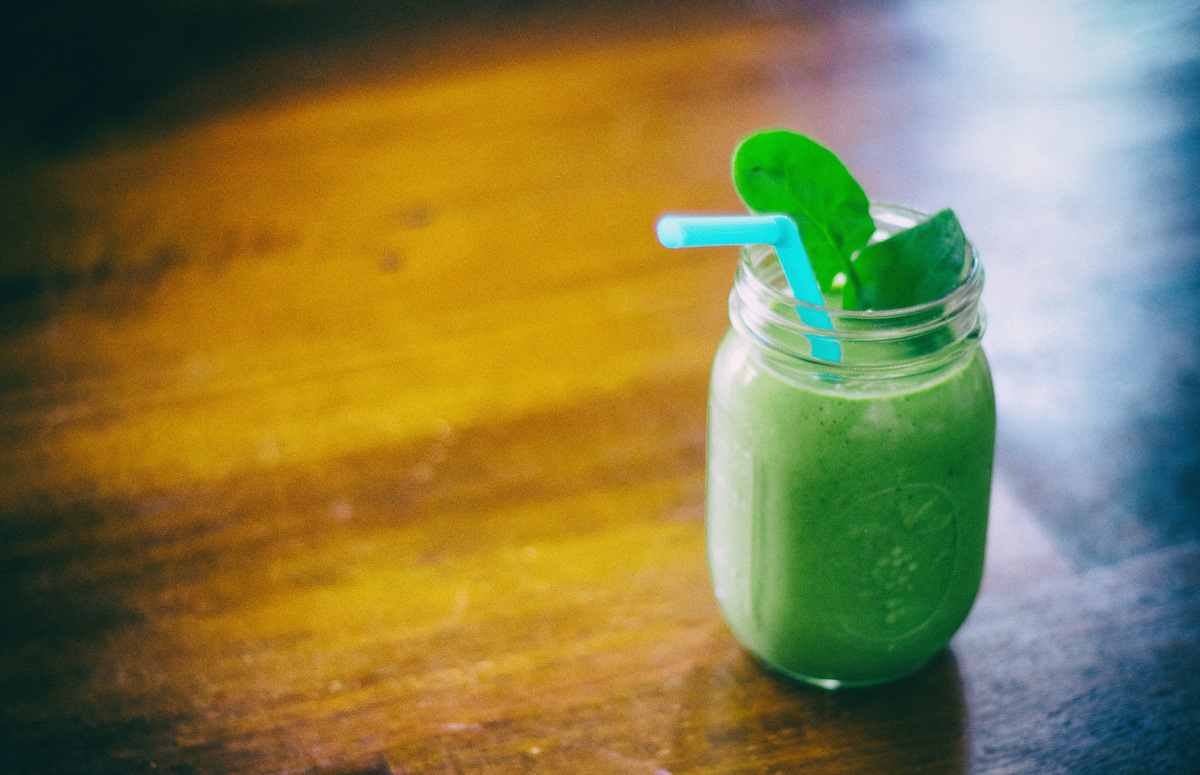
If I could erase one word from the dietary dictionary it would be 'detox'. The idea that certain foods or nutrients will speed up or enhance your body's detoxification process is just silly. The best way to help your body get the toxins out is to put fewerin."
--Monica Reinagel, MS, LDN, CNS, HuffPost blogger and author of Nutrition Diva's Secrets for A Healthy Diet
"Good" Foods And "Bad" Foods
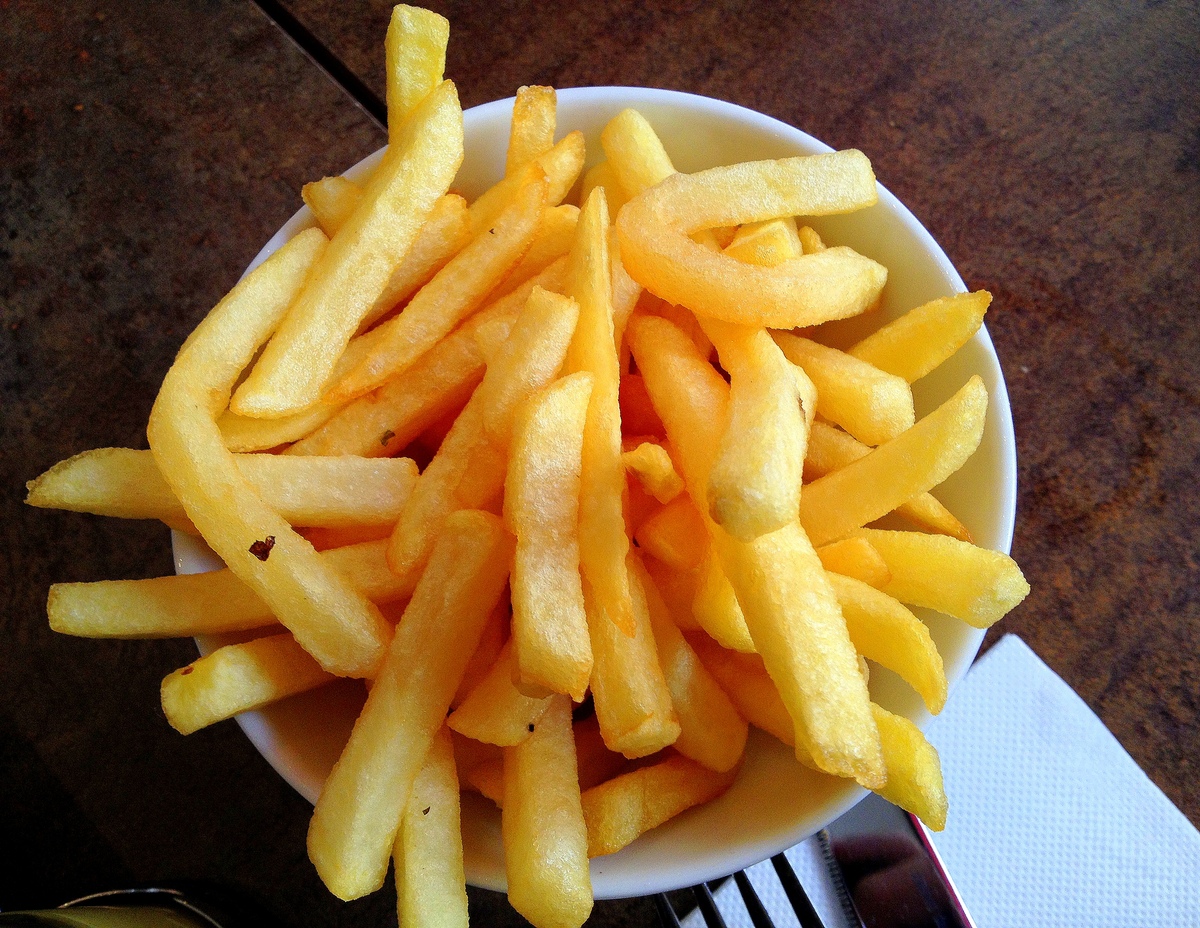 "I don't like saying there are good foods and bad foods -- it's so judgmental! I'm not saying French fries aren't loaded with calories, fat and sodium, or ice cream isn't rich in calories, fat and sugar, but saying they're 'bad' foods invokes guilt on those who enjoy these comfort foods. Eating and enjoying food -- even foods that aren't the most nutritious -- shouldn't ever be done with guilt or shame. Eating should be one of the great pleasures of life! And if you learn to eat with pleasure, you may even feel more satisfied with less food."
 --Elisa Zied, MS, RDN, CDN, author of Younger Next Week
"Clean"
 "Everything is all about 'clean' foods, a 'clean' diet, but there is absolutely no definition of what 'clean eating' means. Many athletes refer to 'clean' as eating natural, wholesome, real foods and fewer processed options. I think that makes sense, but I don't know why we need to call it 'clean' instead of healthy eating. I'm starting to see marketers say their processed products are made with "clean" ingredients, so to me this is just a meaningless term. I think, 'You've been had!' when I hear friends use the term."
 --Julie Upton, MS, RD, CSSD, Appetite for Health
"I shy away from the term 'clean eating'. I appreciate that people use the term to describe eating plans that include high-quality, unprocessed foods and perhaps organic and locally-grown foods, and I applaud their efforts to eat nutritious foods. But I have a hard time with the clean-eating label because it makes me think that if you're not eating 'clean' then you're eating 'dirty.' Also, clean eating doesn't necessarily equal a balanced diet. As much as I've tried to embrace the clean eating term, I sense some shame in it. For example, people may feel bad that they can't 'eat clean,' because the cost is prohibitive or it's inconvenient. And I sometimes get the idea that die-hard clean eaters look down on people who don't eat the same way, and that they use the term to define themselves rather than their eating. I'd love it if we could ditch the eating labels and try to eat the fewest processed foods possible as part of a balanced diet we can afford and live with in the long-run."
--Elizabeth M. Ward, RD, author of MyPlate for Moms, How to Feed Yourself & Your Family Better
--Elizabeth M. Ward, RD, author of MyPlate for Moms, How to Feed Yourself & Your Family Better
"Low-Carb"
 "The one that gets to me the most is when people tell me they eat 'low-carb', or [say] 'I don't eat sugar.' I always ask, 'What does that mean for you?' I constantly find myself explaining that carbs are in multiple food groups. There are grams of carbohydrates (a.k.a. sugar) in bread and bread products and fruits, but also in other foods that you may not think of as having grams of carbs, like unsweetened yogurt and vegetables. Once I explain the basics of food science, the 'low-carb' proclamation that so many claim to adhere to is not accurate."
"Gluten-Free"
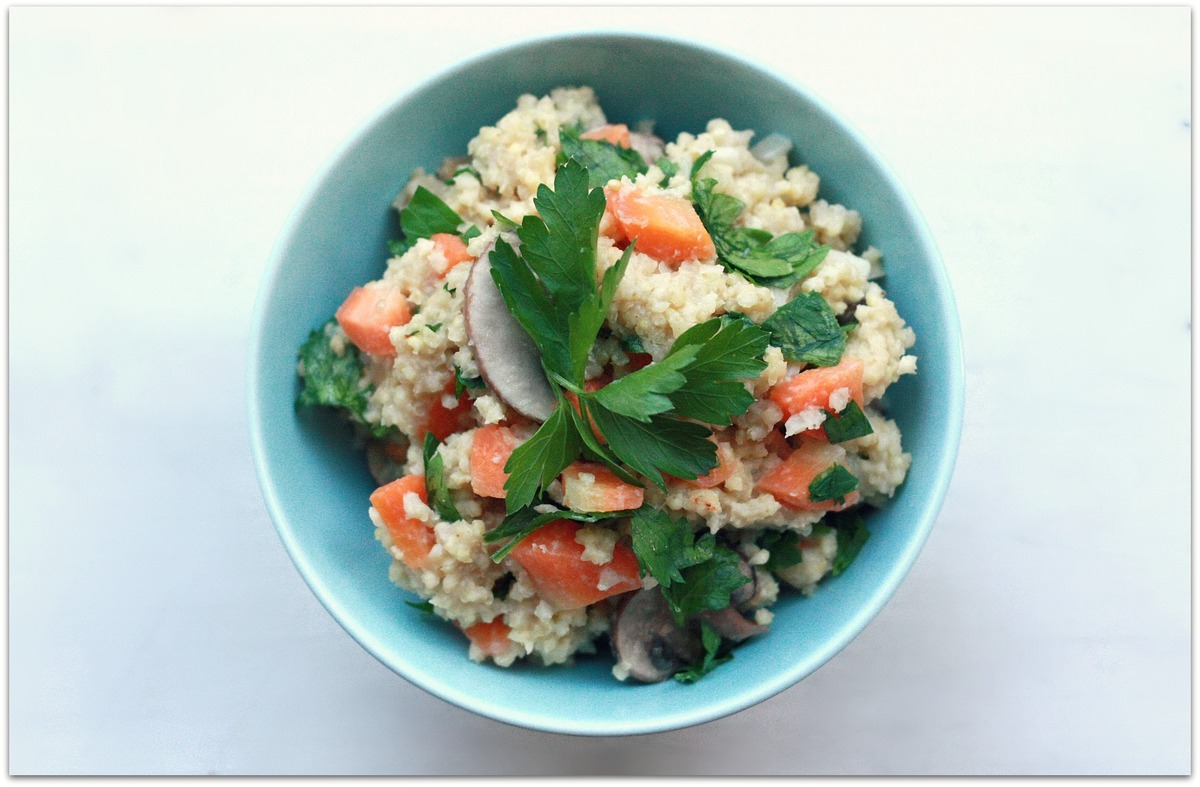 "Many people who tout the wonders of going without gluten don't even know what gluten is -- and there is little evidence that those who do not have celiac disease (only a small percentage of the population) [or non-celiac gluten sensitivity] will benefit from a gluten-free diet."
"Fruit Has Too Much Sugar"
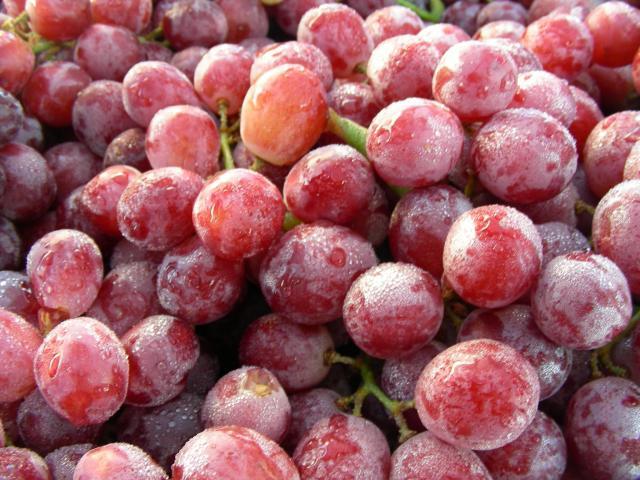 "While fruit does indeed contain natural sugar, it comes along with great nutrition, such as vitamin C and fiber. One of my favorite fruits is grapes. They are [around 100] calories for a cup and are loaded with antioxidants and vitamin K. It's natural to enjoy sweet foods -- so getting a natural sugar fix from fruit rather than candy is smart. Aim for two cups or two pieces of fruit per day."
"Breakfast Is The Most Important Meal Of The Day"
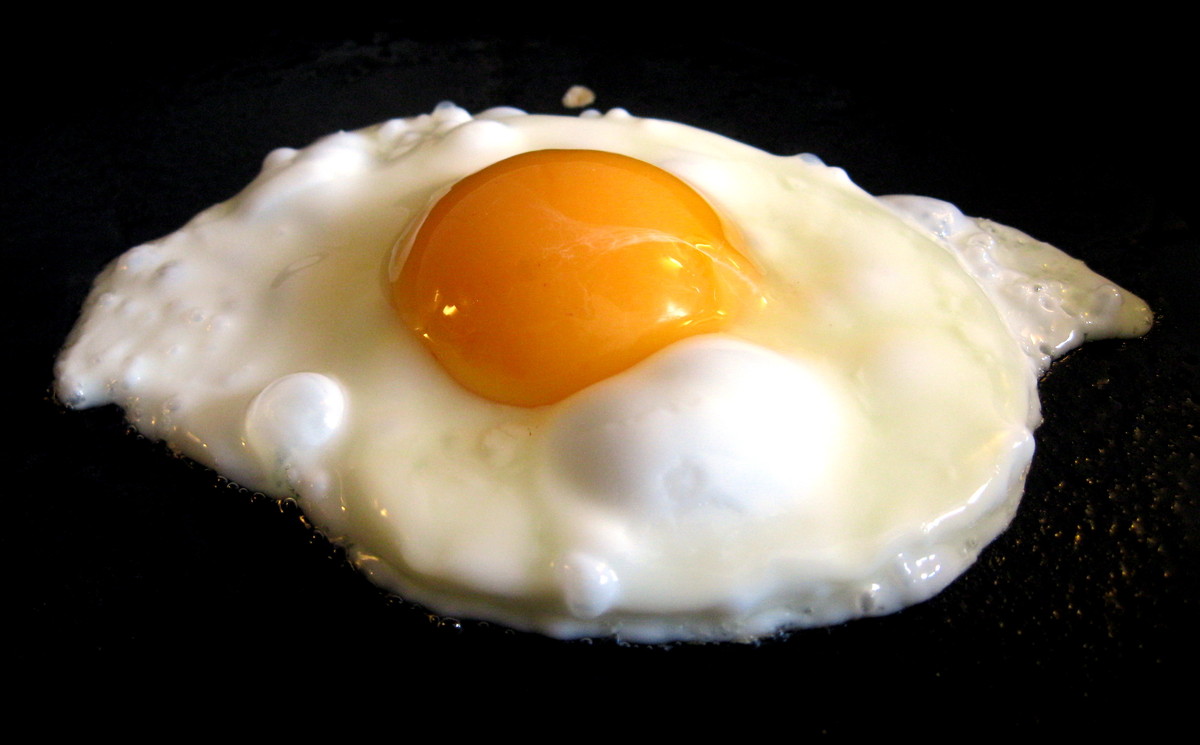 "NOT! All meals are important for different reasons. Each one plays a role in keeping you energized and at the top of your game."
 --Joy Bauer, MS, RDN, health and nutrition expert for the "Today" show and founder of Nourish Snacks.
"Made With Simple Ingredients"
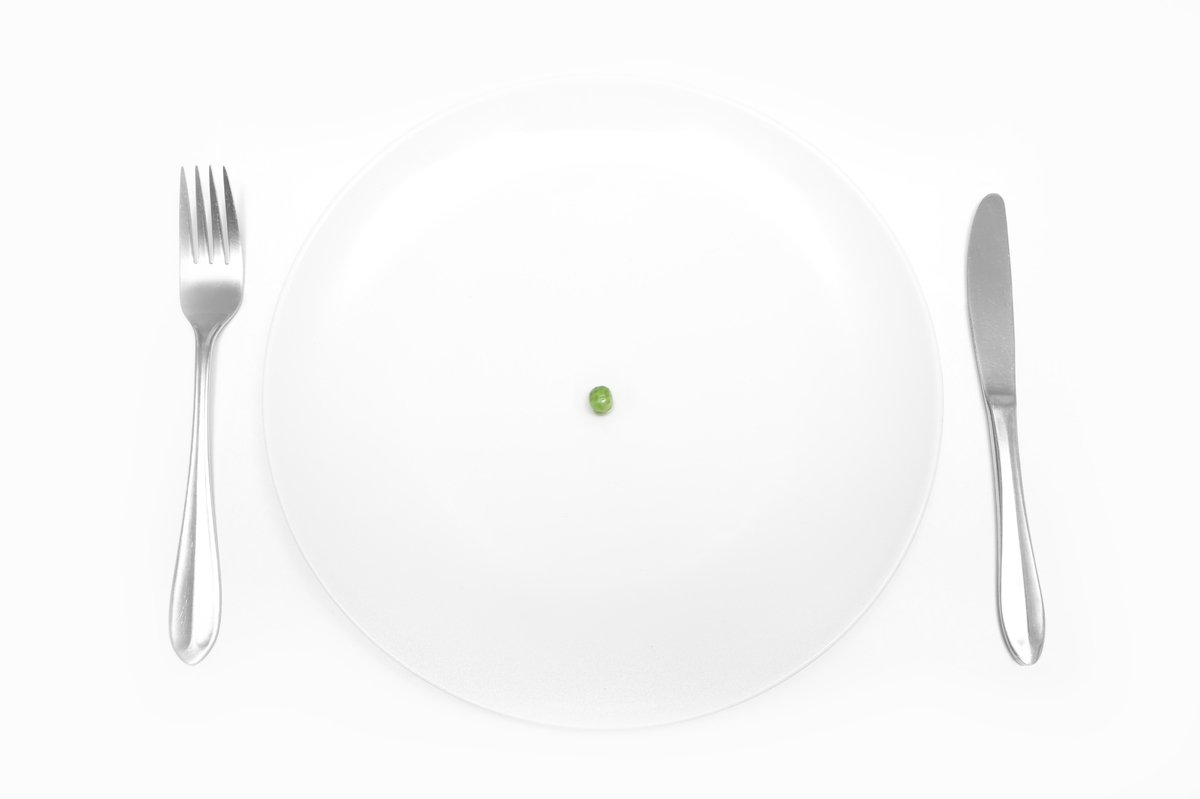 "This is popular with brands that say things like 'made with ingredients you can see and pronounce.' We all know what simple means, but 'simple' is now a marketing buzzword showing up on supermarket shelves. The 'simple' foods have a more wholesome look and may make you believe that you're buying something that's better for you and your family.
 I'm all for foods with a single ingredient, like apples, bananas, broccoli, nuts, eggs, lean meats and fish, to name a few. They're all as simple as foods can come and are loaded with nutrition and provide major health benefits. We'd all be healthier and live longer if we ate single-ingredient foods most of the time.
The new 'simple' foods I'm talking about are things like gourmet ice cream, cookies, candy, butter and other foods that may contain just a few ingredients. The problem is, those simple, all-natural ingredients don't provide a nutritional punch. I'm talking about sugar, cream, salt and oil. There is no shortfall of these 'simple' ingredients in the typical American diet, so positioning them as a health bonus is just, well, bogus."
--Upton
