Showing posts with label Gluten Free. Show all posts

Monday, 25 May 2015

Broccoli Basil Cream Soup

Broccoli Basil Cream Soup

By Shelley Alexander

Broccoli Basil Cream Soup is a creamy soup that uses walnuts in place of cream to create a delectable soup designed to cleanse, nourish, and rebuild your body. This easy recipe comes together quickly and combines a variety of healing foods that are fantastic for detoxing. Broccoli, zucchini, white onion, garlic, lemon, walnuts, basil, and vegetable broth come together for a rich and luscious soup that is deeply comforting and cleansing.

Broccoli

Broccoli is a superstar cruciferous vegetable that is packed with nutrients that enhance detoxification and healing. Broccoli has specific phytochemicals which support every phase of the detox process. Broccoli is rich in antioxidants including lutein, zeaxanthin, and beta-carotene that protect us from free radicals, toxins, and degenerative diseases like cancer. Broccoli also contains important flavonoids like kaempferol which fight chronic inflammation. Other important nutrients in broccoli include vitamin A, vitamin K, vitamin E, manganese, zinc, omega-3 fatty acids (ALA), sulforaphane, and fibre which all work together to detox, cleanse, and rebuild our body and keep it strong and healthy. If you really want to up the detox power of this soup, top with nutrient-dense broccoli sprouts which are even richer in sulforaphane than broccoli florets.

Garlic

Garlic is an amazing vegetable that is a member of the Allium family that includes onions, shallots, and leeks. Garlic is a must have in many of my recipes because I love its pungent flavour and fabulous health benefits. Crushing, mincing, or grating garlic before eating it activates many of its key phytochemicals. Garlic’s high amount of sulfur and the compound allicin are two of the reasons why garlic has so many important health benefits. Garlic is a natural antibiotic, with anti-inflammatory, anti-fungal, and anti-viral properties that make it a strong immune system booster.

Zucchini

Zucchini is a squash with a mild flavour that blends well with other vegetables. Zucchini contains good amounts of carotenoids including alpha-carotene, beta-carotene, lutein and zeaxanthin which offers excellent protection against oxidative stress caused by environmental toxins. Zucchini also contains high amounts of vitamin A, B vitamins, vitamin C, zinc, magnesium and fibre. To get the full benefits of the antioxidants contained in zucchini squash, buy organic so you can eat the skin, seeds, and flesh.

Basil

Basil is one of my absolute favourite herbs to use in recipes! It has a wonderful herbaceous flavour that adds delicious flavour to any recipe you add it to. Basil has many health benefits including being a fantastic anti-inflammatory and anti-bacterial food due to the presence of flavonoids especially estragole and eugenol.
Basil contains high amounts of beta-carotene, pro-vitamin A, iron, vitamin C, vitamin K, calcium, potassium, and magnesium which are key nutrients for maintaining vibrant health.

What’s your favourite soup blend? Please contribute to the conversation by leaving a comment below.
If you enjoyed this post, please check out my new cookbook that’s packed with 154 tasty healing foods recipes and over 50 pages of holistic lifestyle tips for more energy and better immunity! Deliciously Holistic is for sale on Amazon right now!
By Shelley Alexander


Broccoli Basil Cream Soup

Vegan, Paleo, Vegetarian, Dairy-Free, Gluten-Free, Sugar-Free

Makes 2-4 servings
2 tablespoons extra virgin olive oil or virgin coconut oil
½ cup diced white onion
1 cup diced organic zucchini squash (leave skin on)
Unrefined sea salt-to taste
4 cups steamed organic broccoli florets
4 cups organic vegetable broth or stock
2 cloves grated garlic
Fresh ground black pepper-to taste
⅓ cup raw walnuts (soak for 3 hours in filtered water, rinsed well, and drained)
1 tablespoon fresh lemon juice
6-8 fresh basil leaves
½ cup broccoli sprouts-optional but are potent detoxifiers


1. Place olive oil or coconut oil in a medium-size pot with a lid and heat over medium heat until hot but not smoking. Add diced onions and cubed zucchini and sprinkle with sea salt to taste. Cook zucchini and onions until tender, around 7-8 minutes.

2. Placed cooked vegetables into a high speed blender with steamed broccoli, ½ cup vegetable broth, grated garlic, black pepper to taste, and drained walnuts. Blend on high until smooth and creamy.

3. Pour vegetable-walnut mixture into the pot you cooked the zucchini in and add remaining vegetable broth and sea salt to taste. Stir to blend together and cover pot with lid.

4. Cook Broccoli Basil Cream Soup over low heat until hot but not boiling. Taste and adjust seasoning if needed and pour into serving bowl. Sprinkle hot soup with fresh basil leaves, lemon juice, and broccoli sprouts if you decide to use them.

5. Place leftover soup into a heatproof container with a lid and cool slightly before placing in the refrigerator. Reheat remaining soup over low heat for dinner meal.
http://aharmonyhealing.com/broccoli-basil-cream-soup/

Sunday, 4 January 2015

3 Ingredients in Wheat that make us Fat & Sick.

Via Mark Hyman

Google Images for Reuse
Editor’s Note: This website is not designed to, and should not be construed to, provide medical advice, professional diagnosis, opinion or treatment to you or any other individual, and is not intended as a substitute for medical or professional care and treatment. For serious.
~

3 Ways Modern Wheat Makes Us Fat & Sick: Part 2

In my last blog, I described how even if you don’t have full-blown celiac disease, gluten contributes to inflammation and increases your risk for obesity and chronic disease. Yet wheat’s problems go beyond gluten.
Our bread is not what it used to be. It has become a Frankenfood: a by-product of industrial agriculture or “super-starch and super-gluten.” Combine that with the damage our guts have suffered from our diet, environment, lifestyle, and overuse of antibiotics, acid blockers, and anti-inflammatories, and you have the perfect storm for gluten intolerance, inflammation, obesity, and chronic disease.
Simply put, this is not wheat your great-grandmother used to bake her bread. FrankenWheat is a scientifically engineered food product developed in the last 50 years. This new modern wheat may look like wheat, but three crucial aspects differentiate it. Let’s briefly look at each of them.
Modern Wheat is a Super Starch
The Bible says, “Give us this day our daily bread.” Eating bread is nearly a religious commandment. Unfortunately, the Einkorn, heirloom, Biblical wheat of our ancestors is something modern humans never eat.
Instead, we eat dwarf wheat, the product of genetic manipulation and hybridization that created short, stubby, hardy, high-yielding wheat plants with much higher amounts of starch and gluten and many more chromosomes coding for all sorts of new odd proteins.
The man who engineered this won the Nobel Prize. With modern wheat, he promised to feed millions of starving around the world. Well, it has, and it has also made them fat and sick.
Unlike Biblical wheat, dwarf wheat contains very high levels of a super starch called amylopectin A. This is how we get big fluffy Wonder™ bread. Two slices of whole wheat bread now raise your blood sugar more than two tablespoons of table sugar, and one rodent study found amylopectin starch promotes the development of insulin resistance.
Whole wheat is no better than white flour. A Harvard report that measured the glycemic index and glycemic load of 100 foods found almost no difference between how Wonder™ bread and wheat bread raise your blood sugar. High-glycemic foods make people store belly fat, trigger hidden fires of inflammation in the body, and give you a fatty liver leading the whole cascade of obesity, pre-diabetes, and diabetes.
The biggest scam perpetrated on the unsuspecting public is the inclusion of “whole grains” in many processed foods full of sugar and wheat giving the food a virtuous glow. The best way to avoid foods that are bad for you is to stay away from foods with health claims on the label. They are usually hiding something bad.
Modern Wheat Contains Super Gluten
Modern dwarf Franken Wheat also contains super gluten, which is much more likely to create inflammation in the body. As I discussed in my last blog, gluten creates a host of inflammatory and chronic diseases as well as obesity and diabetes.
The old 14 chromosome-containing Einkorn wheat codes for the small number of gluten proteins, and those it produces are the least likely to trigger celiac disease and inflammation. In contrast, the new dwarf wheat contains 28 (twice as many) chromosomes and produces a large variety of gluten proteins, including the ones most likely to cause celiac disease.
Modern Wheat Contains a Super Drug
Modern wheat also contains a super drug that makes you crazy, hungry, and addicted. Let me explain.
Digestion converts proteins in wheat into polypeptides, also known as exorphins. Similar to the endorphins you get from a runner’s high, these exorphins bind to opioid receptors in the brain, making you high and addicted just like a heroin addict.
These wheat polypeptides, called gluteomorphins, are absorbed into the bloodstream and cross the blood-brain barrier. Morphine-like opoids can cause multiple problems including schizophrenia and autism. But they also create cravings, bingeing, and other addictive behavior. No one binges on broccoli, but they binge on cookies or cake.
Even more alarming is that you can block these food cravings and addictive eating behaviors and reduce calorie intake by giving the same drug we use in the emergency room to block heroin or morphine in an overdose called naloxone. Binge eaters ate nearly 30% less food when given this drug.
The Elimination Diet
While testing can help identify gluten sensitivity, the only way you will know if this is really a problem for you is to eliminate all gluten (including wheat) for two to four weeks and see how you feel. Get rid of the following foods:
  • Gluten (barley, rye, oats, spelt, kamut, wheat, triticale—see www.celiac.com for a complete list of foods that contain gluten, as well as often surprising and hidden sources of gluten.)
  • Hidden gluten sources (soup mixes, salad dressings, sauces, as well as lipstick, certain vitamins, medications, stamps and envelopes you have to lick, and even Play-Doh.)

For this test to work you must eliminate 100 percent of the gluten from your diet. No exceptions, no hidden gluten, and not a single crumb of bread.
Then eat it again and see what happens. If you feel bad at all, you need to stay off gluten permanently. This will teach you better than any test about the impact gluten has in your body.
So now you see: that piece of bread may not be so wholesome after all! Simply eliminating this insidious substance from your diet may help you achieve lifelong vibrant health.
What foods or non-food substances were you shocked to learn contained gluten? Share yours below or on my Facebook page.
~
References
Byrnes SE, Miller JC, Denyer GS. Amylopectin starch promotes the development of insulin resistance in rats. J Nutr. 1995 Jun;125(6):1430-7.
Nicole M. Avena, Pedro Rada, and Bartley G. Hoebel. Evidence for sugar addiction: Behavioral and neurochemical effects of intermittent, excessive sugar intake. Neurosci Biobehav Rev. 2008;32(1):20-39.
“New Releases.” Glycemic Index and Glycemic Load for 100+ Foods. N.p., n.d. Web. 10 Dec. 2014.
~

Sunday, 30 November 2014

Ethiopian grain a gluten-free alternative to wheat

Teff, a crucial food staple in Ethiopia, is gaining increased interest abroad among health aficionados seeking a nutritious, gluten-free alternative to wheat.


Under a searing midday sun, a herd of cattle circles atop a pile of golden teff, thrashing the wheat-like grain, a method that has been practised by Ethiopian farmers for centuries.
The crop, mostly grown in the Horn of Africa, is a key part of the country's heritage and a crucial food staple, but is also gaining increased interest abroad among health aficionados seeking a nutritious, gluten-free alternative to wheat.
"Ethiopians are proud of the crop because it is almost our identity," said Solomon Chanyalew, director of the Debre Zeyt Agricultural Research Centre, a teff research hub.
"But these days, teff is getting global attention," he said.
Relatively unknown outside of Ethiopia – for now – the cereal is predicted to replace quinoa as the latest global "super-food".
Read: Quinoa may be safe for coeliacs
Ideal for diabetics
But a ban on exports to control price hikes at home has left farmers tied to local consumers, limiting their contribution to growing markets abroad.
The poppy-seed sized grain is renowned for its nutritional qualities. Mineral-rich and high in protein, teff is also a slow-releasing food, ideal for diabetics, and sought after by people with a gluten intolerance, or coeliac disease.
"Teff is not only gluten-free, which is an increasingly important aspect of foods that is being sought out, but it's also incredibly nutritious. Many people consider teff to be a super-food," said Khalid Bomba, CEO of Ethiopia's Agricultural Transformation Agency.
In Ethiopia, teff is used to make injera, a spongy fermented pancake topped with meat or vegetable stew and consumed with an almost religious devotion, often three times a day.
In the West however, where it is touted by celebrity chefs and health-conscious Hollywood stars, the grain is most commonly ground into flour and used to make biscuits, breads, pastas and even teff juice.
Drought-and-flood resistant
It is also a resilient crop; it can grow between sea level and 3 000 metres and is both drought- and flood-resistant, ideal for Ethiopia's dry highlands.
But despite its versatility, Ethiopia's 6.5 million teff farmers struggle to meet local demand – let alone growing demand from abroad – with limited access to seed varieties, fertilisers and modern machinery that would allow for higher yields.
Teff also suffers from a lack of research since it is considered an "orphan crop", unlike global crops like rice, wheat, and maize, which are widely studied and well-funded.
"People don't want to work on teff, basically, it's not paying," said Kebebew Assefa, one of only two full-time teff researchers in Ethiopia.
Yields have increased
Regardless, productivity has climbed to bridge the supply gap, with the introduction of 19 new teff varieties and improved farming techniques.
In the last four years, yields have increased from 1.2 to 1.5 million tonnes per hectare, which Khalid said bodes well.
"The production increases are what gives us the confidence that Ethiopia will be able to compete at a global level when it comes to tapping into the increasing demand from consumers in Europe, in London, or New York or Brisbane," he said.
An estimated two million tonnes per hectare is required to reach export potential.
Price already too high
For now, the ban on exports remains in place to avoid the pitfalls of quinoa in Bolivia, where most people could not afford the staple crop after the surge in global popularity.
The price of teff is already too high for the majority of Ethiopians who earn less than two dollars per day.
But farmers are eager to export their teff, well aware of the higher prices they can fetch.
"I want to sell it abroad because it's going to have a good market and I will earn good money and it will bring good motivation for my work," said Tirunesh Merete, 60, who has been growing teff for nearly four decades.
Neighbouring farmer Amha Abraham said he is keen to make more money, but recognises that local markets need to be fed first.
"If we export teff to other countries then we can get a lot of money, but we must provide first for our country's consumption," he said, standing near a giant pile of golden teff stalks, used for roofing and as cattle feed.
Gluten-free
Until the export ban is lifted, Ethiopian farmers remain excluded from a growing international industry, with teff products appearing on shelves in health food stores across North America and Europe.
"Everybody has started talking about gluten-free," said Rob Roffel, CEO of the Dutch company Consenza, which produces gluten-free foods from teff grown in the Netherlands.
"The demand for gluten-free foods mainly was for coeliacs... but what we see now more and more is other target groups interested in teff flour," he said, adding that his business has grown 30%annually since 2006.
In the meantime, Khalid said he has high hopes for teff.
"If you look at what's happened with quinoa, it's a $150 million market in five years and teff is actually much more nutritious and much more resilient than quinoa," he said.
"So we think there's a much bigger market opportunity for teff."
Read more:
Should more people go gluten-free?
Coeliacs can eat gluten
(Picture:Teff flour from Shutterstock)


Wednesday, 17 September 2014

Finally, A Gadget That Tests Food For Gluten!


Wouldn't it be great if you could know that your meal contained gluten before you got that painful stomachache?

Sure, restaurants and family members try to accommodate dietary preferences, but not everyone knows all the places where gluten lurks. And sometimes gluten can sneak into food despite the best efforts to eliminate it, thanks to cross-contamination.

Well, good news for anyone trying to go gluten-free: a company in San Francisco is working on a portable device that can detect gluten in food!

People with celiac disease will likely welcome this development. But even those with undiagnosed gluten issues, or gluten sensitivities, should appreciate a handy device to ferret out the devious little wheat protein that causes so many problems.

The device is called the Canary (like the one in the coal mine), and it's being developed by 6SensorLabs. Unfortunately, the Canary isn't on the market yet, but the company wants to make it available next year, for less than $150 per device.

Until then, vigilance is crucial. Keep an eye out for sauces and other potential problem areas, and always ask whether an item is gluten-free. You could save yourself a lot of pain and discomfort later on!
http://www.mindbodygreen.com/0-15305/finally-a-gadget-that-tests-food-for-gluten.html?utm_campaign=recommendation&utm_medium=popular&utm_source=feature

Friday, 11 July 2014

8 Things Nutrition Experts Wish You Would Stop Saying About Food

One day, your morning cup of coffee is a great idea for your health. The next, it has too many negative health risks. Even the savviest of consumers can easily become confused amid constantly evolving research and the loud personal opinions of prominent people.
And when food marketing is thrown into the mix, the black and whites get even more gray. Packaging with words like "organic" or "natural" or "light" purposely gives us the impression it has a nutritious product to sell, when in reality there's little to formally define what those terms mean.
"There is so much nutrition misinformation out there," says Appetite for Health's Julie Upton, MS, RD, CSSD, "and add on the fact that marketers often use 'health halo' descriptors to sell products, it's no wonder Americans are confused about what's really healthy to eat."
To help clear up some of the confusion, we asked a group of nutrition experts to dish on the healthy eating concepts we're most commonly misusing. 
Here are eight of the worst offenders.
"Detox"
If I could erase one word from the dietary dictionary it would be 'detox'. The idea that certain foods or nutrients will speed up or enhance your body's detoxification process is just silly. The best way to help your body get the toxins out is to put fewerin." 
--Monica Reinagel, MS, LDN, CNS, HuffPost blogger and author of Nutrition Diva's Secrets for A Healthy Diet


"Good" Foods And "Bad" Foods


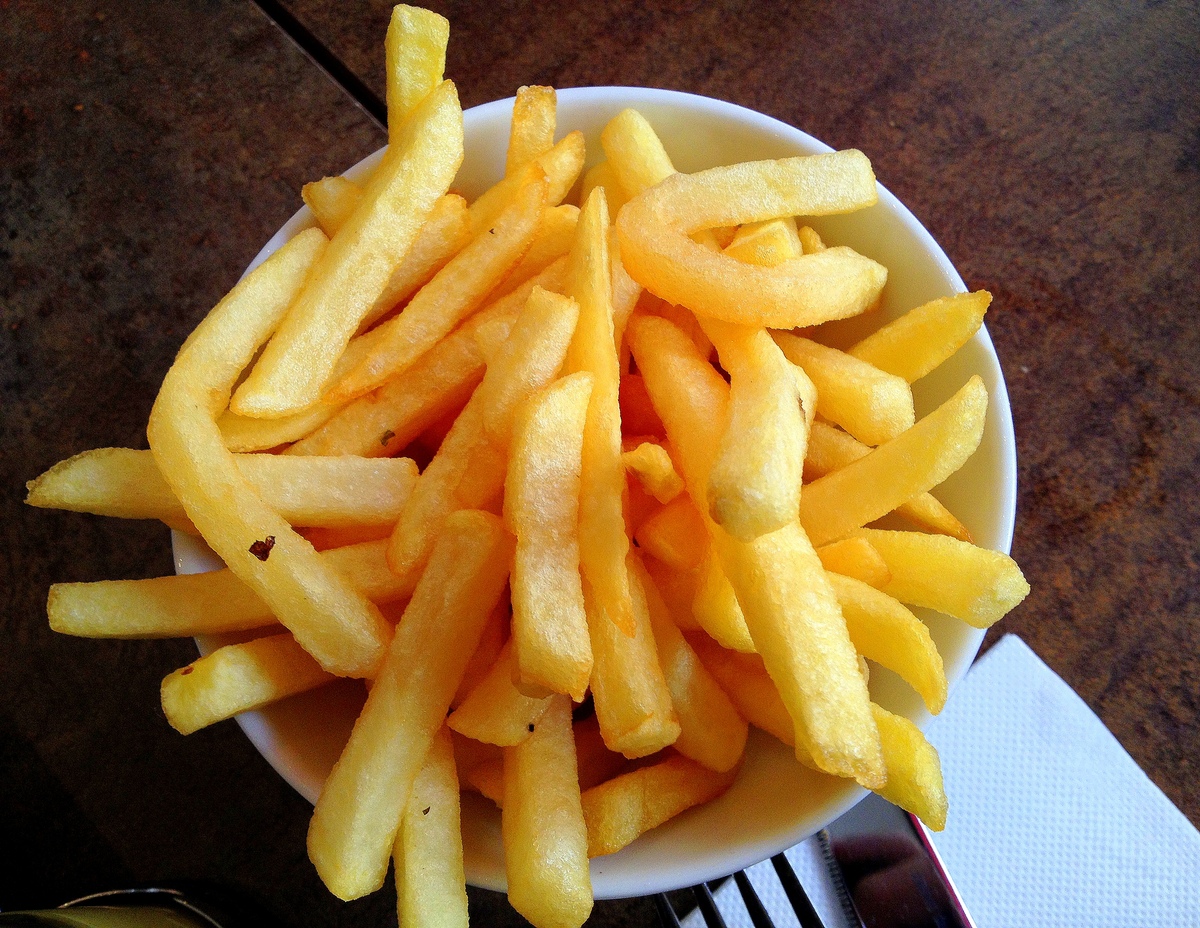
"I don't like saying there are good foods and bad foods -- it's so judgmental! I'm not saying French fries aren't loaded with calories, fat and sodium, or ice cream isn't rich in calories, fat and sugar, but saying they're 'bad' foods invokes guilt on those who enjoy these comfort foods. Eating and enjoying food -- even foods that aren't the most nutritious -- shouldn't ever be done with guilt or shame. Eating should be one of the great pleasures of life! And if you learn to eat with pleasure, you may even feel more satisfied with less food." 
--Elisa Zied, MS, RDN, CDN, author of Younger Next Week

"Clean"   

"Everything is all about 'clean' foods, a 'clean' diet, but there is absolutely no definition of what 'clean eating' means. Many athletes refer to 'clean' as eating natural, wholesome, real foods and fewer processed options. I think that makes sense, but I don't know why we need to call it 'clean' instead of healthy eating. I'm starting to see marketers say their processed products are made with "clean" ingredients, so to me this is just a meaningless term. I think, 'You've been had!' when I hear friends use the term." 
--Julie Upton, MS, RD, CSSD, Appetite for Health 
"I shy away from the term 'clean eating'. I appreciate that people use the term to describe eating plans that include high-quality, unprocessed foods and perhaps organic and locally-grown foods, and I applaud their efforts to eat nutritious foods. But I have a hard time with the clean-eating label because it makes me think that if you're not eating 'clean' then you're eating 'dirty.' Also, clean eating doesn't necessarily equal a balanced diet. As much as I've tried to embrace the clean eating term, I sense some shame in it. For example, people may feel bad that they can't 'eat clean,' because the cost is prohibitive or it's inconvenient. And I sometimes get the idea that die-hard clean eaters look down on people who don't eat the same way, and that they use the term to define themselves rather than their eating. I'd love it if we could ditch the eating labels and try to eat the fewest processed foods possible as part of a balanced diet we can afford and live with in the long-run." 
--Elizabeth M. Ward, RD, author of MyPlate for Moms, How to Feed Yourself & Your Family Better
"Low-Carb"
 "The one that gets to me the most is when people tell me they eat 'low-carb', or [say] 'I don't eat sugar.' I always ask, 'What does that mean for you?' I constantly find myself explaining that carbs are in multiple food groups. There are grams of carbohydrates (a.k.a. sugar) in bread and bread products and fruits, but also in other foods that you may not think of as having grams of carbs, like unsweetened yogurt and vegetables. Once I explain the basics of food science, the 'low-carb' proclamation that so many claim to adhere to is not accurate." 
--Marjorie Nolan Cohn, MS, RD, CDN, ACSM-HFS, national spokesperson for the Academy of Nutrition & Dietetics and author of Belly Fat Fix
"Gluten-Free"
"Many people who tout the wonders of going without gluten don't even know what gluten is -- and there is little evidence that those who do not have celiac disease (only a small percentage of the population) [or non-celiac gluten sensitivity] will benefit from a gluten-free diet." 
--Katherine Brooking MS, RD, Appetite for Health


"Fruit Has Too Much Sugar"

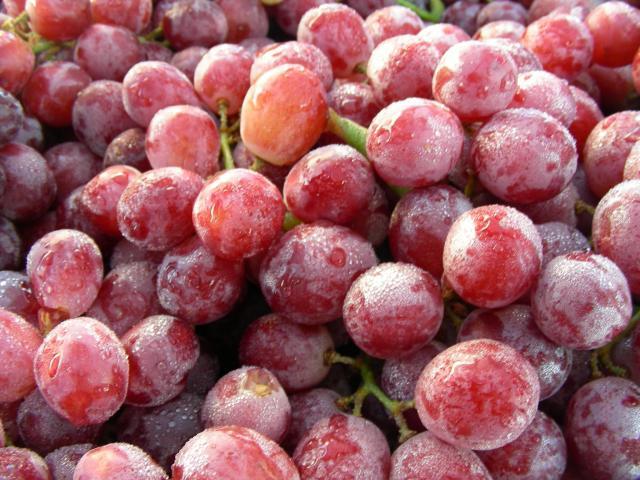
"While fruit does indeed contain natural sugar, it comes along with great nutrition, such as vitamin C and fiber. One of my favorite fruits is grapes. They are [around 100] calories for a cup and are loaded with antioxidants and vitamin K. It's natural to enjoy sweet foods -- so getting a natural sugar fix from fruit rather than candy is smart. Aim for two cups or two pieces of fruit per day." 
--Dawn Jackson Blatner, RDN, CSSD, LDN, HuffPost blogger and author of The Flexitarian Diet


"Breakfast Is The Most Important Meal Of The Day"

"NOT! All meals are important for different reasons. Each one plays a role in keeping you energized and at the top of your game." 
--Joy Bauer, MS, RDN, health and nutrition expert for the "Today" show and founder of Nourish Snacks.


"Made With Simple Ingredients"

"This is popular with brands that say things like 'made with ingredients you can see and pronounce.' We all know what simple means, but 'simple' is now a marketing buzzword showing up on supermarket shelves. The 'simple' foods have a more wholesome look and may make you believe that you're buying something that's better for you and your family. 

I'm all for foods with a single ingredient, like apples, bananas, broccoli, nuts, eggs, lean meats and fish, to name a few. They're all as simple as foods can come and are loaded with nutrition and provide major health benefits. We'd all be healthier and live longer if we ate single-ingredient foods most of the time. 

The new 'simple' foods I'm talking about are things like gourmet ice cream, cookies, candy, butter and other foods that may contain just a few ingredients. The problem is, those simple, all-natural ingredients don't provide a nutritional punch. I'm talking about sugar, cream, salt and oil. There is no shortfall of these 'simple' ingredients in the typical American diet, so positioning them as a health bonus is just, well, bogus." 
--Upton

Saturday, 14 June 2014

The Eight Nutrition Trends That Drive This Dietitian Crazy

The Eight Nutrition Trends That Drive This Dietitian Crazy

By Abby Langer


As you can imagine, I hear and speak about nutrition day in and day out. It's a great job and I love it, but some trends just drive me nuts, and here they are:

People are getting too free -- as is, gluten-free, dairy-free, sugar-free, you name it.
There are always those people who have legitimate food intolerances and allergies who actually need a diet that is 'free' of something. Everyone else, it's not the wheat that's making you bloated, it's all those crackers you used to eat that aren't allowed on your gluten free diet. Cut the junk, lose the weight. It's pretty simple.

The concentration on one particular "superfood." 
Kale, I'm talking about you. I'm a dietitian and even I'm sick of kale. Listen, no one food is going to save your life or make you healthier -- it's what you eat overall that really counts. I'm glad that people are willing to branch out and try new foods such as kale, freekeh, goji berries and the like, but let's be clear: you don't need kale in your cookies.

Cleanses.
Your body doesn't function like a sewer pipe -- you can't just flush it out, and it doesn't contain pounds of crap that is going to make you sick. The role of your kidneys and your liver is to filter toxins out, and if those things are working fine (and they must be if you're feeling well), you're good.

Juicing.
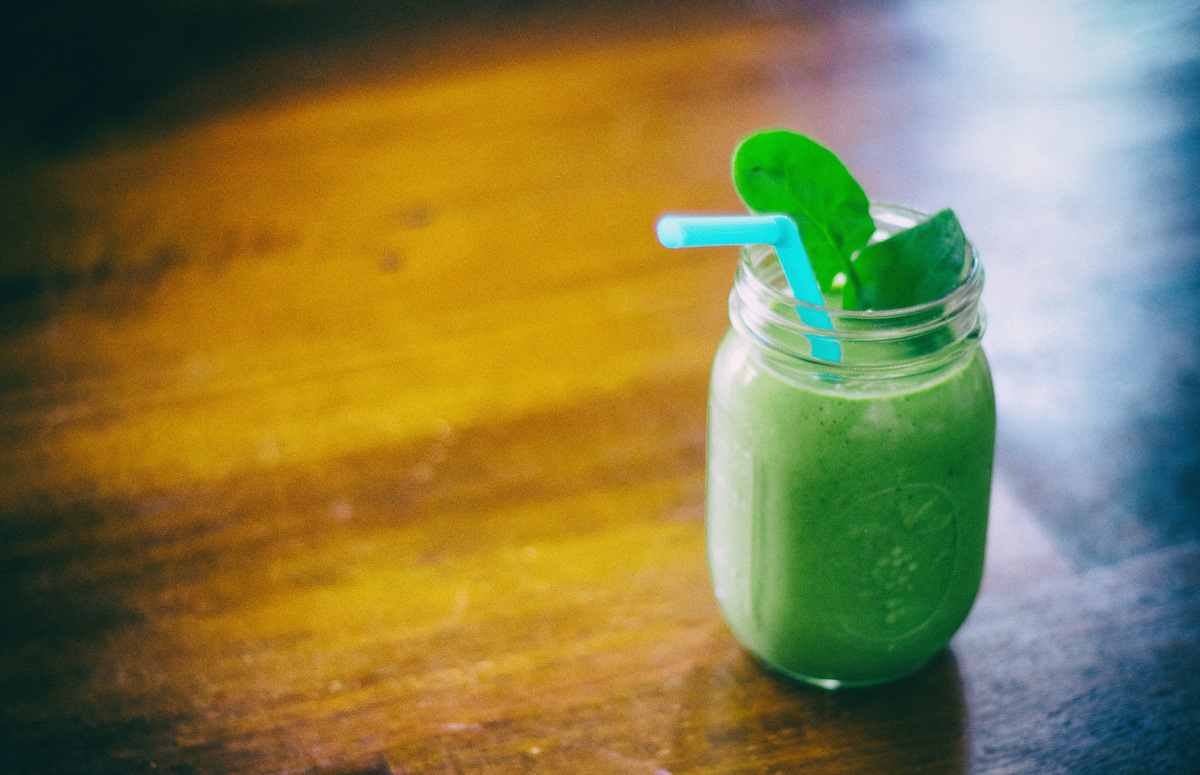
Let me explain this one. Green juices can be very healthy -- it's always good to chew your greens and I prefer that you do, but green juices do contain a lot of good stuff. It's the juices or smoothies that have eight servings of fruit and tons of sugar that I take issue with. Two to three servings of fruit a day is sufficient for most people. Juice is not fruit, it's sugar water. Eat the whole fruit.

Going overboard, because more must be better.
Whether it's eating spoonfuls of coconut oil because you heard it's healthy (yes, some people do that), or taking handfuls of supplements, some people don't know when to stop. Unfortunately for them, sometimes more isn't better. Moderation is a hard concept, I suppose, but when has it ever been a good idea to eat oil by the spoonful?

Unhealthy for the sake of unhealthy.
Hopefully we're on the back end of this trend now, but restaurants serving dishes like duck fat fries with lardons and gravy topped with a pound of cheese, or putting pork belly in everything, it's not cool, it's unhealthy, and I still can't figure out why people boast about eating that stuff. Please stop.

Healthwashing.
Organic cookies are still cookies. Period.

Vilifying one food in particular.
The world's health woes are not just because of sugar, just like they were not just because of fat when we thought fat was terrible. People are sick mostly because they eat a lot of junk with all sorts of processed chemicals in it, and far less whole foods than they should. We have always known that sugar isn't something we need a lot of. Eat less out of a box, and you don't have to worry.

And one trend I love, the "new age" of nutrition.
People are more interested in nutrition than ever before, and are concerned in a different way about what they're putting in their body. Nutrition isn't only about trendy diets or losing weight anymore -- the culture of nutrition is changing to involve new foods going mainstream (quinoa, for example), a push for families to 
cook together, and far more awareness about where food is actually coming from.

This is one trend that I hope continues!
http://www.huffingtonpost.ca/abby-langer/nutrition-trends_b_5353692